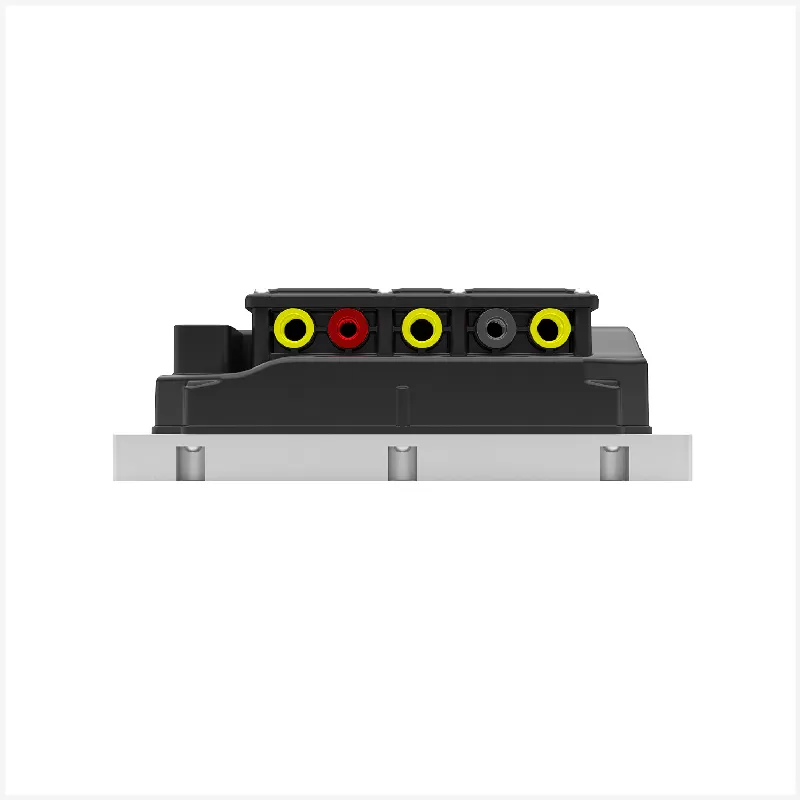
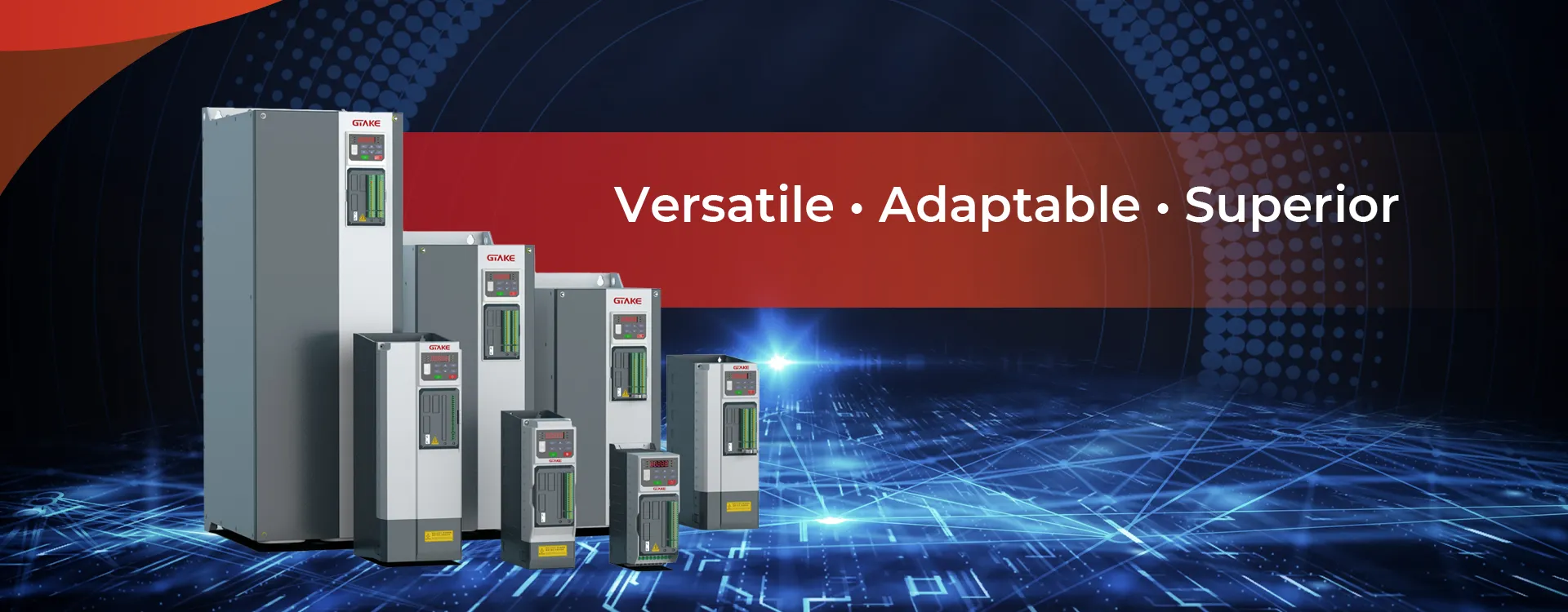
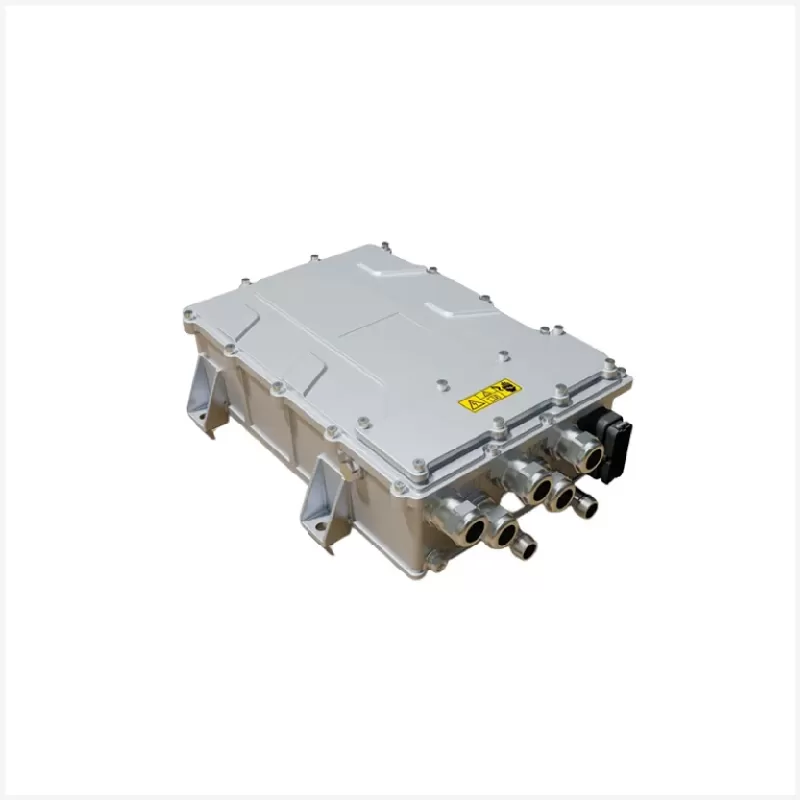
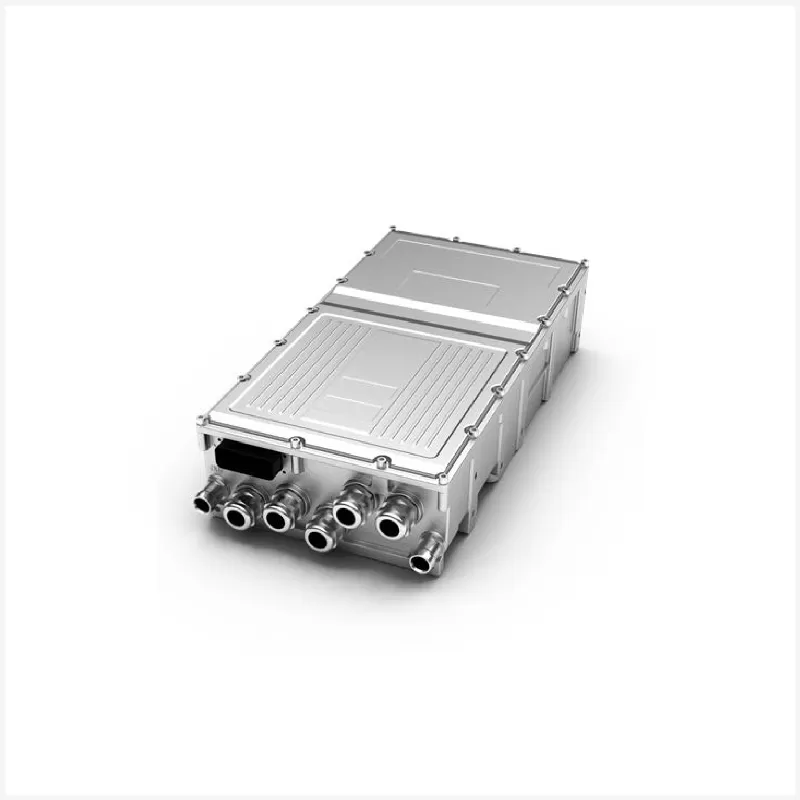
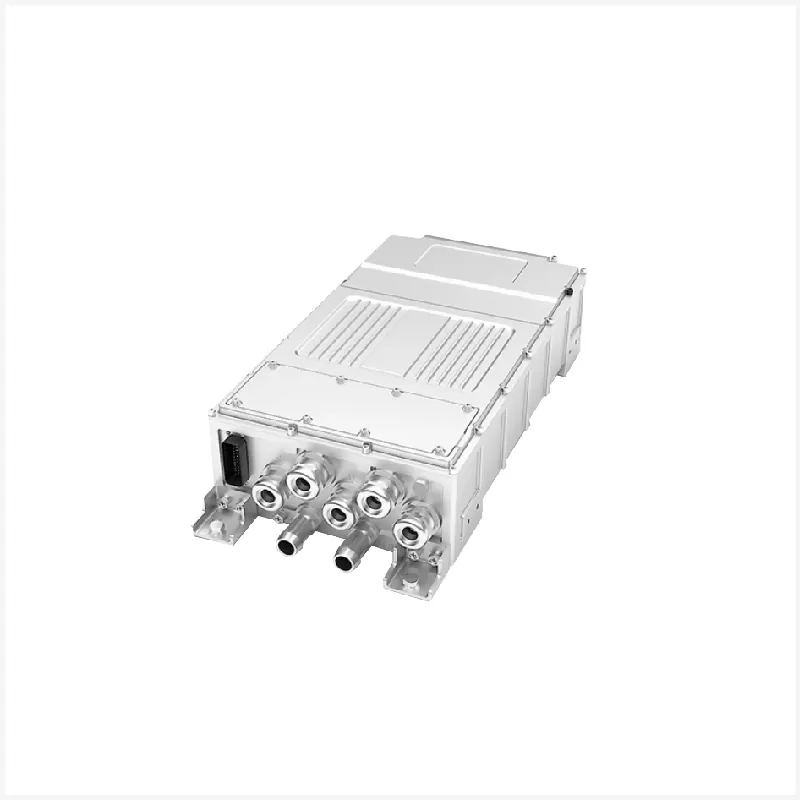
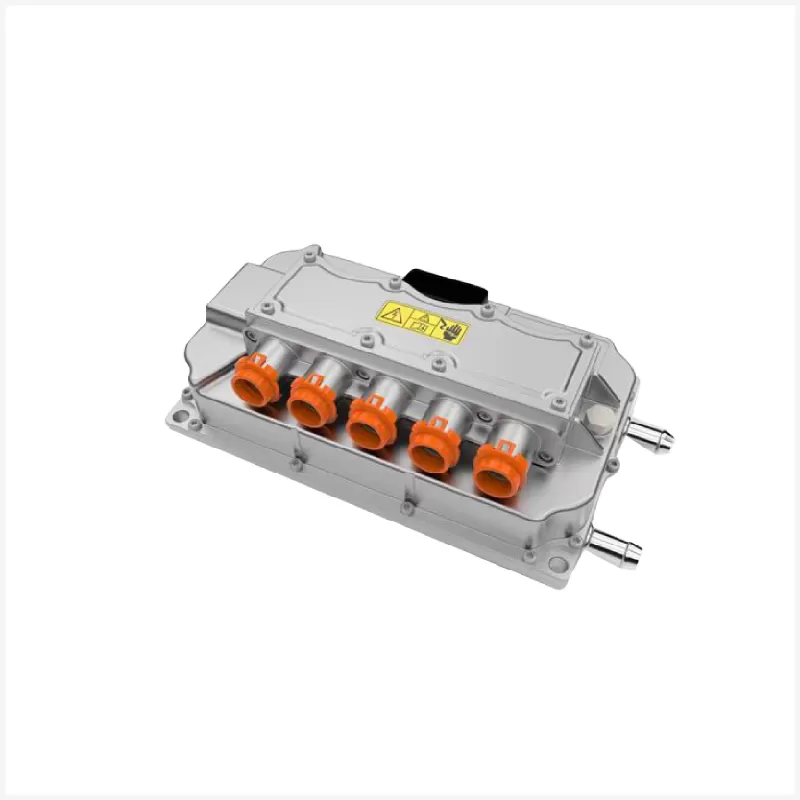
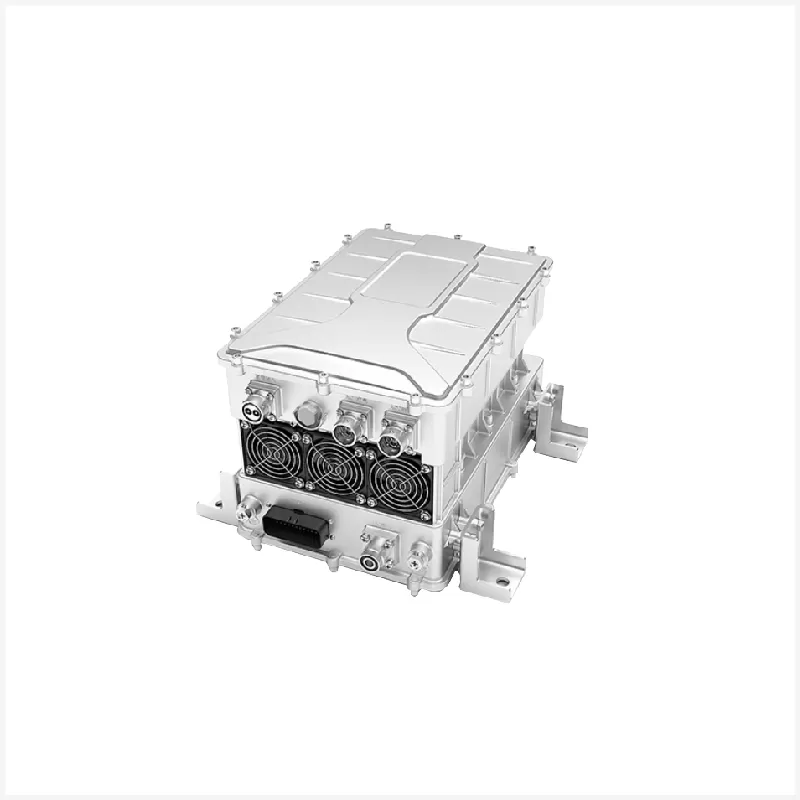
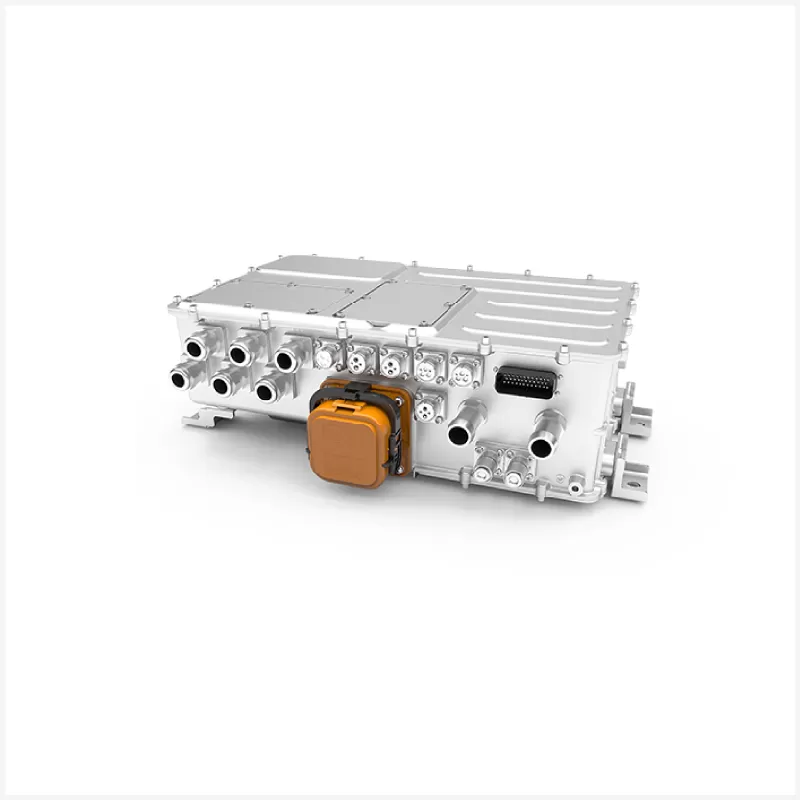
GTAKE specializes in designing and producing innovative AC drives (also known as variable frequency drives), electric vehicle motor controllers, bidirectional DC sources, and test rigs with advanced control algorithms and cutting-edge technology, delivering optimal performance and reliability for industrial automation and new energy applications.
Variable-Frequency Drive (VFD): Key Insights and Applications
A Variable-Frequency Drive (VFD), also known as a Variable-Speed Drive (VSD) or Frequency Inverter, is an electronic device used to control the speed and torque of an AC (alternating current) motor by adjusting the frequency and voltage supplied to the motor. VFDs are critical components in industrial automation, HVAC systems, pumps, fans, and many other applications that require motor speed adjustment based on variable load conditions.
How a Variable-Frequency Drive Works
The basic principle of a VFD is to convert fixed-frequency AC power into variable-frequency AC power. The VFD achieves this by using three main stages:
Rectification (AC to DC conversion):
The incoming AC voltage is first converted into DC (direct current) using a rectifier. This is achieved by using diodes or other semiconductor devices that allow current to flow only in one direction, effectively converting the AC into a pulsating DC signal.
DC Bus (Filter):
The pulsating DC signal is then smoothed into a steady DC voltage by a filter capacitor. The DC bus stores energy and provides a steady supply to the next stage of the VFD.
Inversion (DC to AC conversion):
Finally, the steady DC voltage is converted back into AC by an inverter section, which uses semiconductor devices (usually transistors) to generate a new AC waveform. The frequency of this AC signal is adjustable, allowing control of the motor’s speed.The inverter’s switching frequency determines the motor’s speed, and by adjusting this frequency, the VFD can regulate the motor’s rotational speed and torque output.
Key Features and Benefits of a VFD
Speed Control:
A VFD allows precise control over the motor’s speed. By adjusting the frequency of the electrical power supplied to the motor, a VFD enables the motor to run at different speeds, which is essential for applications like conveyors, fans, and pumps where varying speeds are needed based on load or process requirements.
Energy Efficiency:
One of the major benefits of using a VFD is its ability to save energy. In traditional systems, motors run at a constant speed regardless of the load, leading to energy waste when the motor is underloaded. With a VFD, the motor speed can be adjusted to match the load requirements, resulting in significant energy savings and reduced operational costs.
Soft Start/Stop:
A VFD provides a smooth start and stop for motors. Unlike direct-on-line (DOL) starters that apply full voltage immediately, a VFD gradually increases the voltage and frequency, reducing inrush current. This “soft start” feature reduces mechanical stress on the motor and associated equipment, extending the lifespan of the system.
Improved Process Control:
VFDs offer precise speed and torque control, making them ideal for processes that require tight control over motor operation. For example, in pumps, fans, and compressors, the speed can be adjusted dynamically based on demand, ensuring optimal performance and preventing over or under-speeding.
Reduced Wear and Tear:
The soft start and stop capabilities of VFDs reduce mechanical shocks that can occur when starting motors with traditional methods. This leads to lower maintenance costs and longer lifespan for both the motor and connected machinery.
Reversible Motor Operation:
A VFD can easily reverse the direction of a motor, making it useful for applications where the motor needs to change direction quickly, such as in conveyors or lifting equipment.
Protection Features:
Modern VFDs come with built-in protection features such as overload protection, over-voltage and under-voltage protection, and thermal protection. These features help safeguard the motor and the drive from damage in case of faults or abnormal conditions.
Applications of Variable-Frequency Drives
HVAC Systems:
VFDs are widely used in HVAC (heating, ventilation, and air conditioning) systems to control the speed of fans and pumps. In these systems, the motor speed can be adjusted according to the building’s heating or cooling demand, resulting in significant energy savings and improved comfort.
Pumps and Compressors:
In industrial applications like water treatment plants, oil refineries, and chemical plants, VFDs are used to control the speed of pumps and compressors. By adjusting the speed based on the system’s requirements, VFDs optimize energy consumption and enhance operational efficiency.
Conveyors:
VFDs are frequently used in conveyor systems to control the speed of the belt. This is particularly important in industries like manufacturing and mining, where the load on the conveyor belt can vary. VFDs allow the speed of the conveyor to be adjusted in real time, improving throughput and energy efficiency.
Elevators and Hoists:
VFDs provide smooth acceleration and deceleration in elevators, escalators, and hoisting systems. This ensures a smooth ride for passengers, reduces mechanical stress on components, and improves system longevity.
Electric Motors in Manufacturing:
Many types of machinery in the manufacturing sector, such as CNC machines, metalworking equipment, and mixers, use VFDs to regulate motor speed for precise operations. The variable speed control offered by VFDs ensures better product quality, process optimization, and higher throughput.
Textile and Paper Industries:
In textile mills and paper production, VFDs are used to control motors in spinning machines, looms, and paper rolls. The ability to fine-tune motor speeds ensures consistent production quality and improved efficiency.
Water and Wastewater Treatment:
VFDs are also used in water treatment plants to control the speed of pumps and agitators. By adjusting motor speeds, VFDs help maintain optimal flow rates, reduce energy use, and ensure proper system functioning.
Mining and Materials Handling:
VFDs control the speed of motors in mining operations, crushers, and material handling systems. They ensure that machinery runs at the optimal speed for varying load conditions, improving efficiency and reducing downtime.
Types of Variable-Frequency Drives
Volts/Hertz (V/Hz) Control:
This is the simplest form of VFD, where the output frequency is adjusted in proportion to the output voltage. This method is ideal for applications where precise speed control is not critical.
Sensorless Vector Control (SVC):
SVC is a more advanced type of control that estimates the motor’s rotor position without the use of sensors. It allows for better control of torque and speed, especially at low speeds, and is commonly used in applications that require improved dynamic performance.
Vector Control with Feedback (Closed-Loop):
In this control method, feedback devices (such as encoders) are used to monitor the motor’s position and speed. This allows for precise control over the motor’s operation, making it suitable for high-performance applications.
Direct Torque Control (DTC):
DTC is the most advanced VFD control method, offering extremely fast torque response and higher efficiency. It directly controls the motor’s torque and flux, making it suitable for high-performance and critical applications.
Conclusion
A Variable-Frequency Drive (VFD) is a versatile and essential component for modern motor control applications. By offering the ability to control motor speed and torque with precision, VFDs optimize energy efficiency, improve process control, reduce mechanical wear, and extend the lifespan of both the motor and connected equipment. Whether in HVAC systems, industrial automation, or material handling, VFDs play a crucial role in reducing energy consumption and improving overall operational performance.
As industries continue to push for more efficient and sustainable operations, the role of VFDs in enabling energy savings, better system control, and operational flexibility will remain increasingly important.