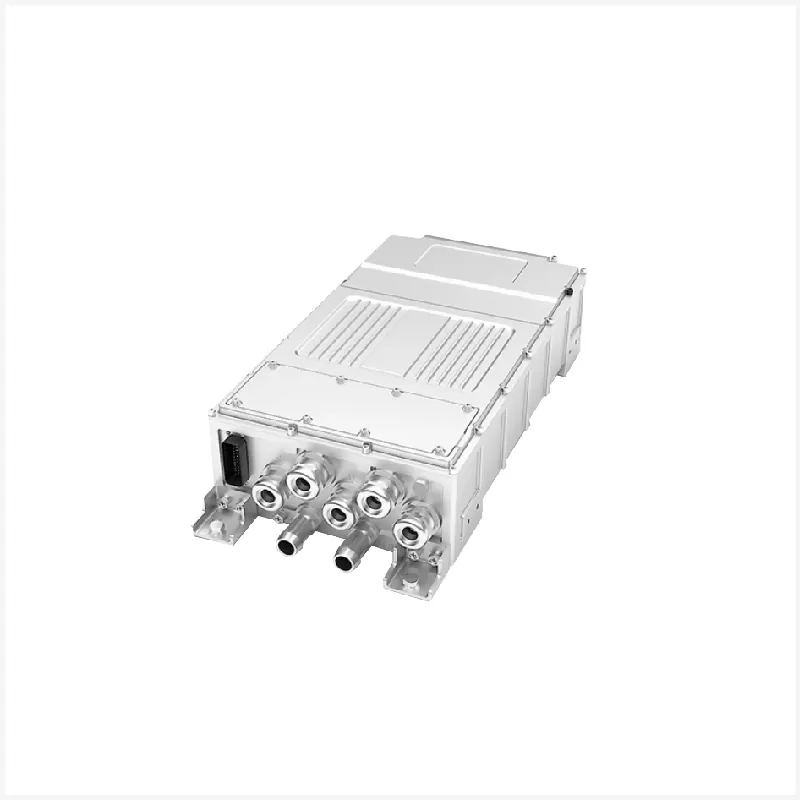
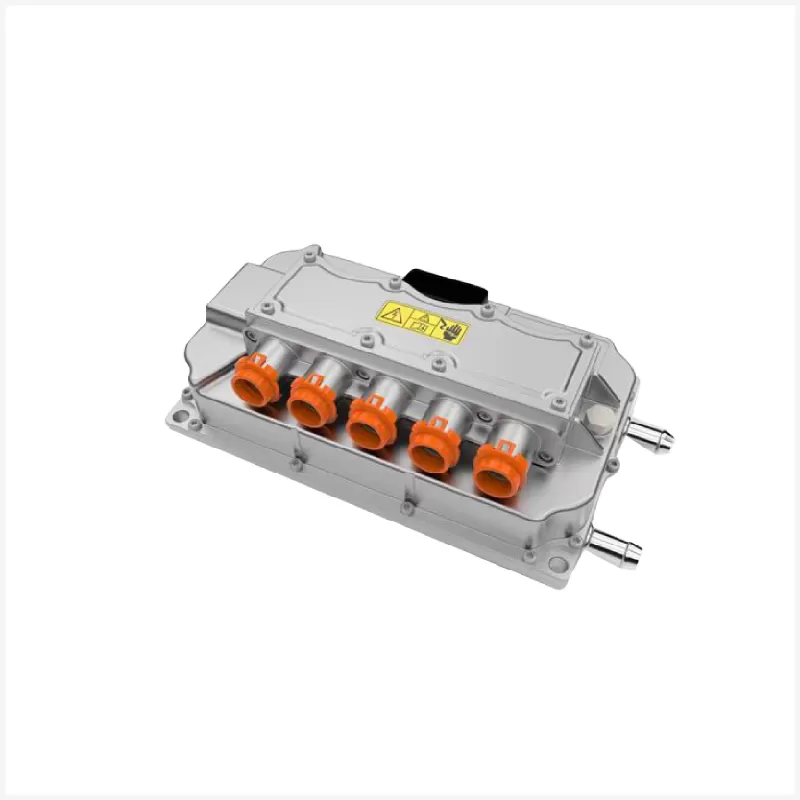
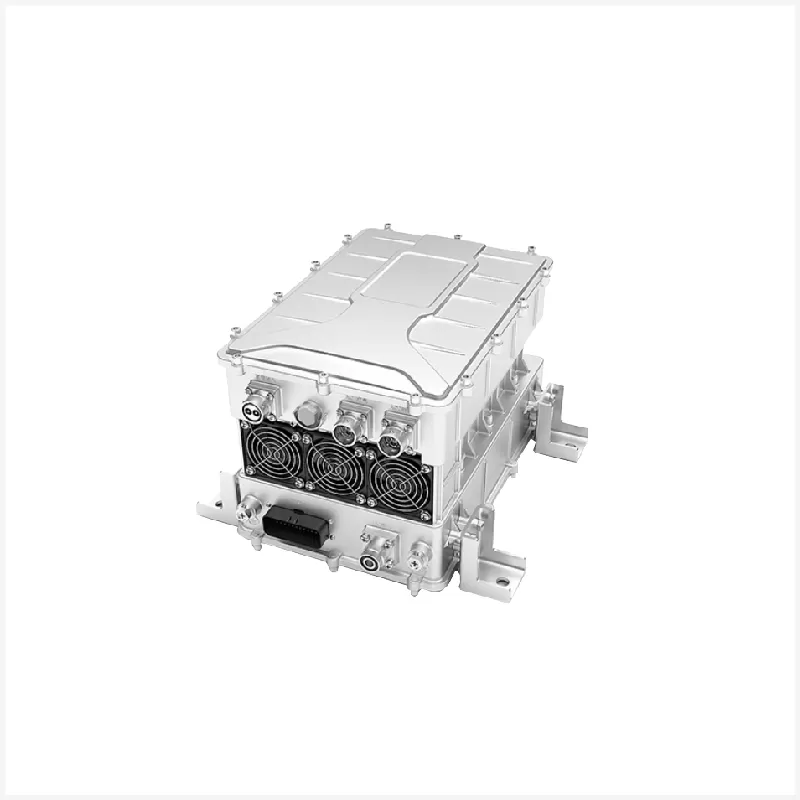
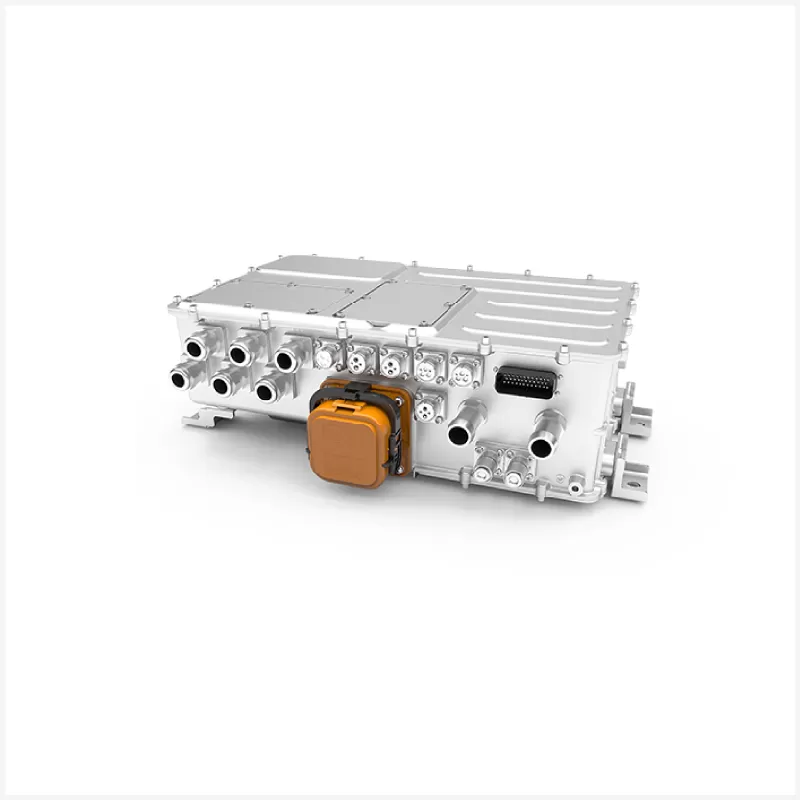
A motor drive controls how an electric motor starts, runs, changes speed, and stops. In industrial equipment, the drive also affects torque, braking, energy consumption, and the way the motor responds when the load changes.
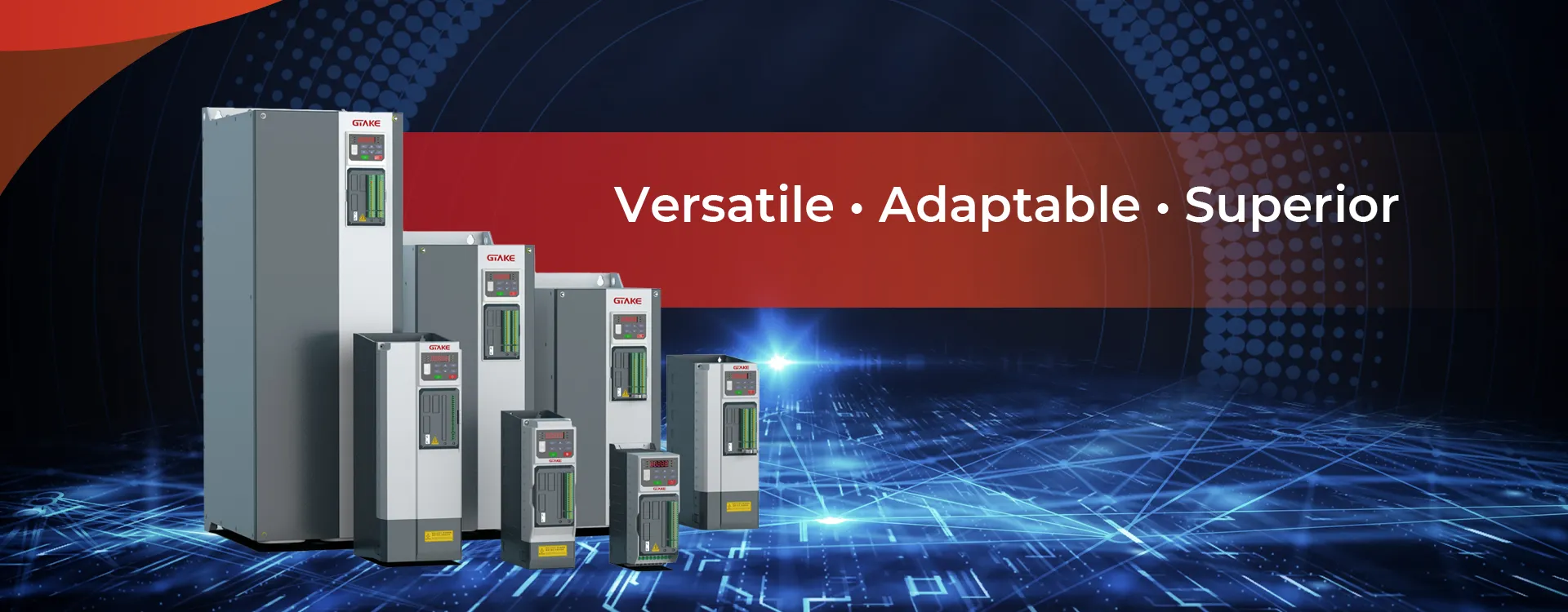
GTAKE focuses on AC motor drives, variable frequency drives (VFDs), high-performance AC drives, and four quadrant drives for motor-driven equipment. The range covers general machinery as well as applications with more demanding requirements for speed regulation, torque response, braking, and continuous operation.
Motor Drive Solutions from GTAKE
Different machines place different demands on their motors. A pump may need stable variable-speed operation, while an elevator needs smooth acceleration and accurate stopping. A crane may require high starting torque and controlled braking.
GTAKE’s motor drive range includes solutions for these different operating conditions.
- GK100 Economical AC Motor Drive – for general-purpose motor applications where practical control functions and cost efficiency are important.
- GK200 General-purpose AC Motor Drive – for equipment such as fans, pumps, compressors, conveyors, cranes, and textile machinery.
- GK610 Compact AC Drive – a compact option for space-sensitive industrial equipment.
- GK900 Book-type Versatile AC Drive – a flexible solution for industrial equipment with more demanding control requirements.
- GK620E Elevator Dedicated AC Drive – developed for elevator motor control and smooth lift operation.
- GK900H Crane-Specific AC Motor Drive – intended for crane and hoisting applications where torque and braking performance are important.
This product range allows the motor drive to be selected according to motor power, load characteristics, speed requirements, braking conditions, and the actual working environment.
AC Motor Drive and VFD Applications
An AC motor drive regulates the electrical output delivered to an AC motor. A variable frequency drive (VFD) does this by changing the output frequency and voltage, allowing the motor to operate at different speeds rather than running at one fixed speed.
For equipment with changing flow, pressure, or production requirements, VFD motor control can be more practical than running the motor continuously at full speed.
Common applications include:
- Pump systems with changing flow or pressure requirements
- Fan and HVAC systems that need variable airflow
- Conveyor systems with adjustable production speeds
- Compressors operating under changing process loads
- Textile machinery requiring stable and adjustable motor speed
- Packaging machinery with different production cycles
- Industrial automation equipment requiring coordinated motor operation
The actual drive selection depends on the motor and load. A simple fan application does not necessarily require the same control performance as a crane, elevator, or high-inertia machine.
Motor Speed and Torque Control
One of the main reasons to install a motor drive is to control motor speed without relying only on mechanical transmission or throttling.
GTAKE AC drives support different control methods according to the model, including V/f control, sensorless vector control, and, on selected models, closed-loop vector control.
Speed Control
Motor speed control allows the operating speed to be adjusted to the requirements of the machine. This is useful for conveyors, pumps, fans, winding equipment, and other systems where a fixed motor speed is not suitable.
Torque Control
Some applications place more emphasis on torque control than simple speed adjustment. Cranes, hoists, elevators, and high-inertia equipment can require stronger torque performance during starting, acceleration, or braking.
Vector Control
Vector control provides more precise control of motor flux and torque than basic V/f operation. Depending on the application, sensorless vector control or closed-loop vector control can be selected when improved response and speed regulation are required.
Four Quadrant Motor Drives
A conventional motor drive is not always enough when the motor needs to reverse frequently or return energy during braking.
A four quadrant drive can operate in both forward and reverse directions and handle both motoring and regenerative braking conditions. This makes four-quadrant control useful for equipment where the motor repeatedly accelerates, decelerates, reverses, or handles an overhauling load.
Typical applications include:
- Elevators
- Cranes and hoists
- Winding machines
- Conveyors
- Test equipment
- Other systems requiring frequent regenerative braking
GTAKE’s PFQD Series Four Quadrant AC Drive is intended for these types of applications, where controlled braking and energy regeneration are part of the drive system requirements.
Motor Drive Features
The required features depend on the machine. GTAKE’s different AC motor drives therefore provide different combinations of control, protection, communication, and application functions.
V/f and Vector Control
Basic applications can use V/f control, while applications with higher control requirements can use sensorless vector control or closed-loop vector control, depending on the drive model.
PID Control
Built-in PID control can be useful for applications where the drive needs to maintain a process variable such as pressure, flow, or another feedback signal. This is particularly relevant to pump systems, fans, and process equipment.
Acceleration and Deceleration Control
Controlled acceleration and deceleration help reduce sudden changes in motor torque. This can be important for conveyors, elevators, cranes, and machines with large mechanical inertia.
Braking and Regeneration
Applications with frequent stopping or downward loads may require dedicated braking functions. A four quadrant drive can provide a more advanced solution when regenerative operation is required.
Motor Protection
Depending on the model, protection functions can include overcurrent protection, overvoltage protection, undervoltage protection, overload protection, and thermal protection. These functions help the drive respond to abnormal operating conditions.
Communication
For automated equipment, the motor drive may need to exchange operating data with a PLC, controller, or other automation equipment. Selected GTAKE drives support communication interfaces such as RS485 and Modbus-RTU.
Motor Drive Applications
The application is an important part of choosing an electric motor drive. Motor power alone does not tell the whole story. The load profile, starting condition, required speed range, braking method, and operating cycle all affect the final selection.
Pump Motor Drive
A pump motor drive adjusts motor speed according to the required flow or pressure. Variable-speed control can help avoid unnecessary full-speed operation when the process demand changes.
GTAKE AC motor drives can be used in water handling, industrial process, irrigation, and other pumping equipment.
Fan and HVAC Motor Drive
Fan motor drives are used to adjust airflow in ventilation and HVAC equipment. Instead of controlling airflow only through mechanical or damper adjustments, a VFD can regulate fan speed directly.
This approach is commonly used in HVAC systems, ventilation equipment, air-handling units, and industrial fans.
Conveyor Motor Drive
A conveyor motor drive needs stable speed regulation and controlled starting and stopping. In production lines, the required conveyor speed may change with the production process.
GTAKE general-purpose and industrial AC drives can be used for conveyor systems in manufacturing, logistics, material handling, and other industries.
Elevator Motor Drive
An elevator motor drive has different requirements from a basic fan or pump drive. The system needs controlled acceleration, deceleration, direction changes, braking, and accurate stopping.
The GK620E Elevator Dedicated AC Drive is designed specifically for elevator applications and can be used where smooth motor control is a key requirement.
Crane Motor Drive
A crane motor drive needs to deal with changing loads and frequent starting and stopping. High starting torque, controlled acceleration, and reliable braking are particularly important for hoisting and lifting equipment.
The GK900H Crane-Specific AC Motor Drive is designed around these application requirements.
Compressor Motor Drive
A compressor motor drive controls motor speed according to the operating requirements of the compressor. Variable-speed operation can be useful where demand changes throughout the working cycle.
GTAKE general-purpose AC motor drives can be applied to air compressors and related industrial equipment.
Textile Machinery
Textile equipment often requires stable speed and repeatable operation across different production stages. Depending on the machine, functions such as multi-step speed control and wobble frequency control can be useful.
GTAKE AC drives provide control functions that can be configured for different types of textile machinery.
Industrial Automation
In industrial automation, multiple motors may operate as part of a larger production process. The drive needs to provide predictable motor response while communicating with the control system.
GTAKE industrial motor drives can be integrated into equipment such as production machinery, material handling systems, processing equipment, and automated manufacturing lines.
How to Select a Motor Drive
The correct motor drive should be selected from the actual working conditions rather than from motor power alone.
1. Check the Motor
Start with the motor’s rated power, rated current, voltage, frequency, and motor type. The drive output rating should match the motor and the intended operating conditions.
2. Understand the Load
Determine whether the machine has a variable torque load, constant torque load, high inertia, or a high starting load.
Fans and pumps often have different load characteristics from cranes, conveyors, or hoisting equipment.
3. Define the Speed Range
If the machine only needs basic variable-speed operation, V/f control may be sufficient. More demanding applications may require sensorless vector control or closed-loop vector control.
4. Consider Braking
Machines with frequent deceleration, reversing, or overhauling loads may need additional braking functions. For applications requiring energy regeneration, a four quadrant drive may be more appropriate.
5. Check the Operating Environment
Installation conditions such as ambient temperature, humidity, altitude, enclosure requirements, and cooling method should be considered before selecting the drive.
6. Consider Automation Integration
If the drive will be connected to a PLC or industrial control system, check the required communication interface, control signals, feedback method, and communication protocol.
GTAKE Motor Drive Range
GTAKE’s motor drive portfolio covers different levels of motor control performance and different industrial applications.
Related Motor Drive Products and Resources
For more information about GTAKE’s motor drive solutions, explore the related product and application resources below:
- AC Drives & Four Quadrant Drives – industrial AC motor drives, VFDs, high-performance drives, elevator drives, crane drives, and regenerative drive solutions.
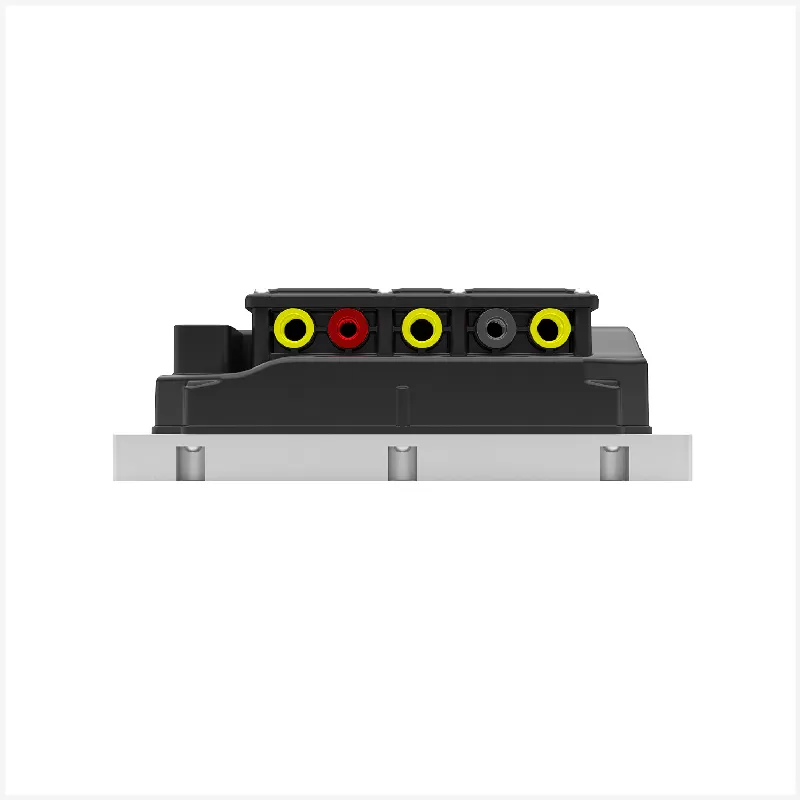
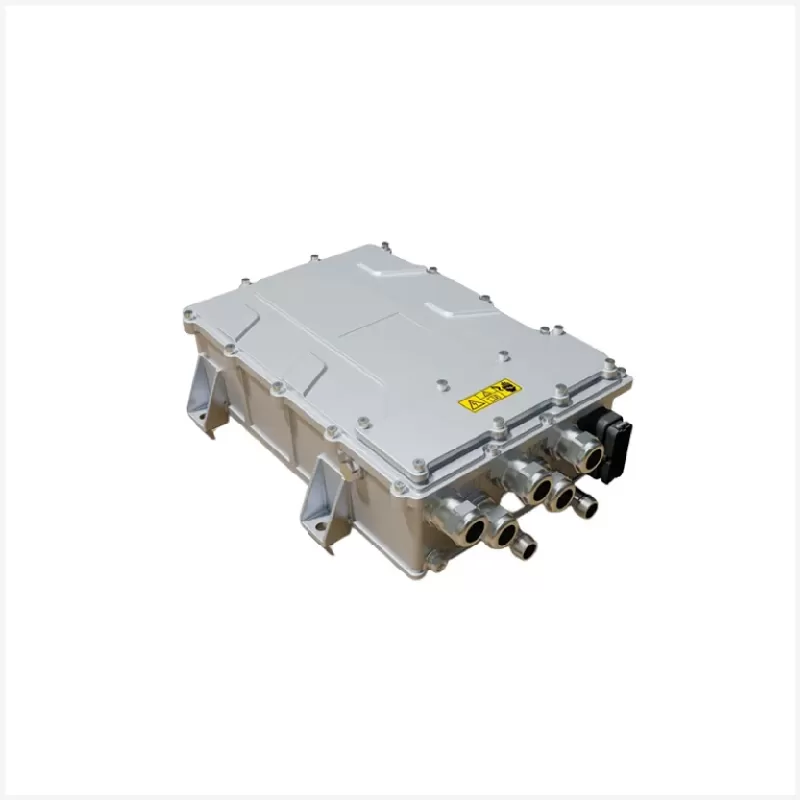
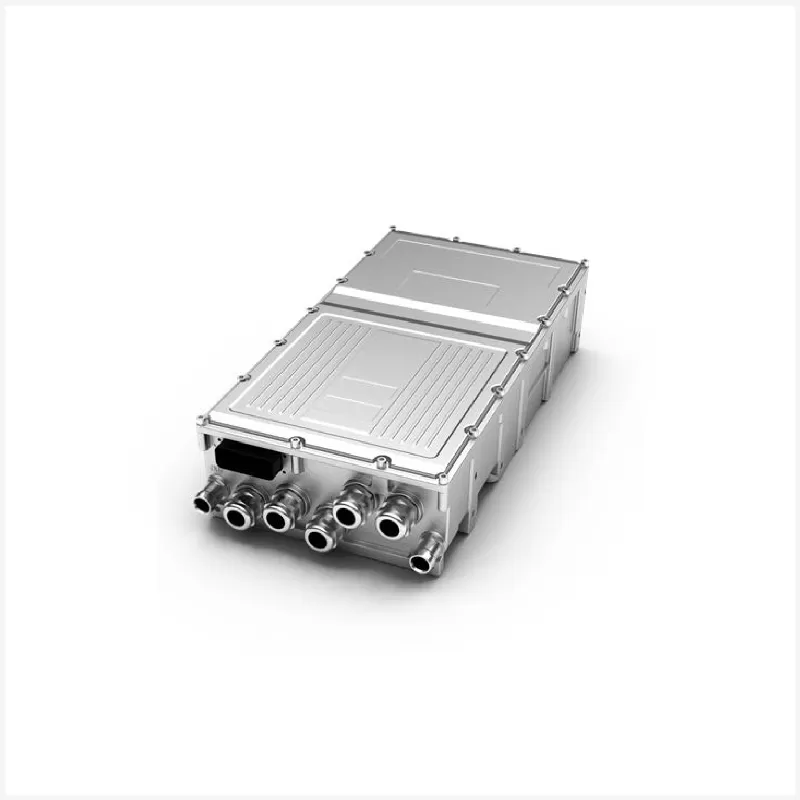
- EV Motor Control Unit – EV motor controllers and traction motor control solutions for electric mobility.
- Elevator Drive – solutions for elevator motor control, speed regulation, braking, and lift applications.
- Four Quadrant Drive – drive technology for bidirectional motor operation and regenerative braking.
- VFD Motor Drive – information about variable frequency drive technology and variable-speed motor control.
- Motor AC Drive – related AC motor drive products and applications.
- Motor Speed Drive – solutions for motor speed control in industrial equipment.
From general machinery to elevators, cranes, conveyors, pumps, and electric vehicles, GTAKE develops motor drive solutions around the actual requirements of the motor and its application. Selecting the appropriate AC motor drive, VFD, or four quadrant drive can help achieve the required combination of speed control, torque response, braking performance, and operating efficiency.