Frequency Variable Drive: A Comprehensive Overview
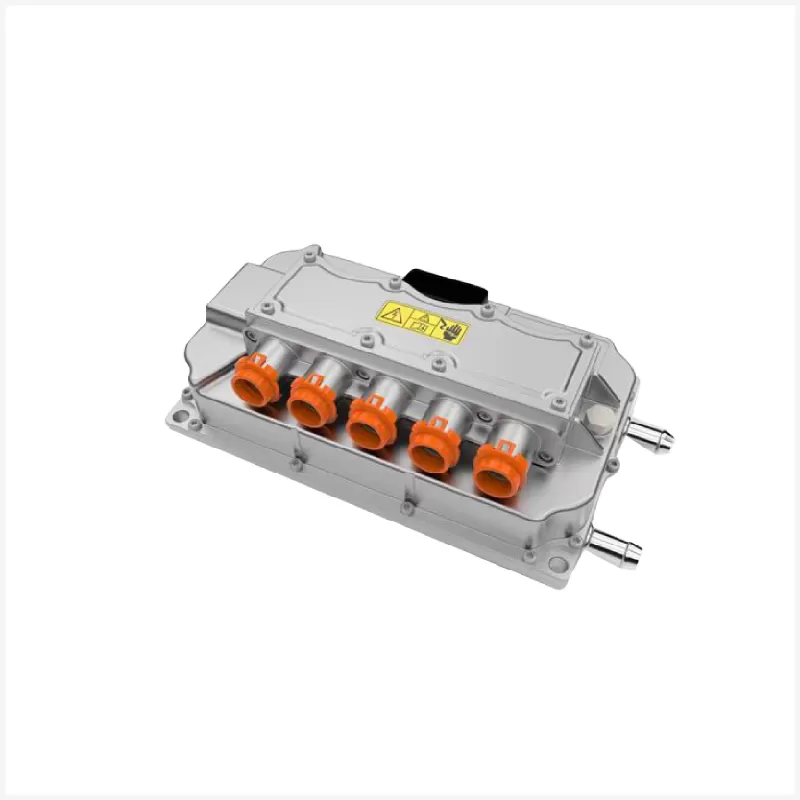
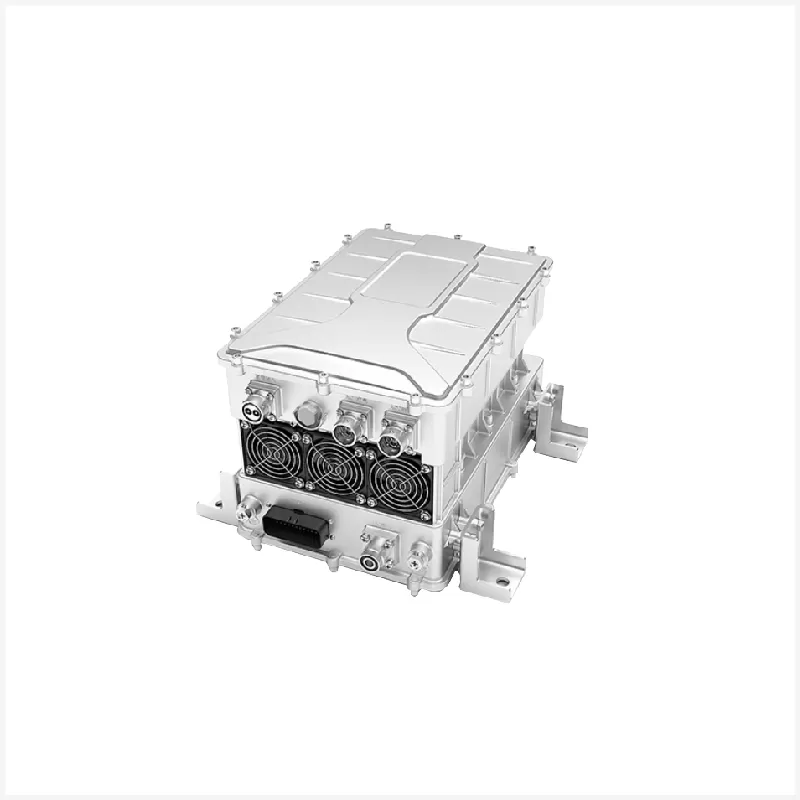
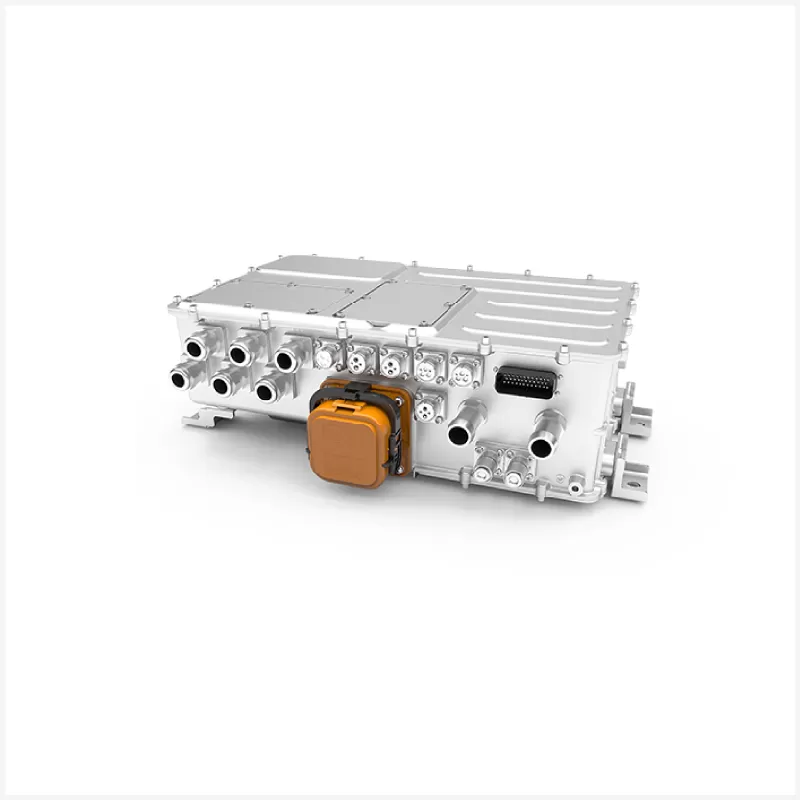
A Frequency Variable Drive (FVD), commonly known as a Variable Frequency Drive (VFD) or Variable Speed Drive (VSD), is a type of motor control device used to adjust the speed and torque of an electric motor by controlling the frequency and voltage supplied to the motor. This type of drive is typically used in applications where precise speed control is essential, such as in pumps, fans, conveyors, and HVAC systems.
In this guide, we will explore the working principles, applications, and benefits of frequency variable drives, as well as their role in improving energy efficiency and system performance.
What is a Frequency Variable Drive?
A Frequency Variable Drive is an electronic system that modifies the speed of an electric motor by varying the frequency and voltage of the electrical power delivered to the motor. The motor’s speed is directly related to the frequency of the power supply, meaning that adjusting the frequency allows for the regulation of motor speed.
Frequency variable drives are most commonly used with AC motors (alternating current motors) and are integral to systems where precise control over motor speed is required. These drives can provide smoother start-ups, better speed control, and energy savings by running motors only as fast as needed for the application.
How Does a Frequency Variable Drive Work?
A frequency variable drive typically works in the following way:
- AC Power Input:
- The drive receives standard AC power from the grid, typically at 50 or 60 Hz (the standard frequency in most regions).
- Rectification:
- The AC power is then converted into DC (Direct Current) power using a rectifier. This process is crucial because most drives work on DC power internally, even though they control AC motors.
- Inversion:
- The DC power is then inverted back into AC power using an inverter. The inverter controls the frequency of the AC power supplied to the motor. By adjusting this frequency, the motor’s speed can be increased or decreased.
- Voltage Control:
- Along with controlling the frequency, the drive also adjusts the voltage sent to the motor to ensure that the motor operates efficiently and within its rated limits. The voltage is typically adjusted to maintain a constant ratio to the frequency (known as the U/f control method), but more sophisticated methods (like vector control) provide independent control of speed and torque.
- Feedback and Control:
- The drive continuously monitors the motor’s performance through feedback systems (such as encoders or sensors) to ensure that the motor operates at the desired speed and torque. The system adjusts the frequency and voltage in real-time to maintain optimal performance.
Applications of Frequency Variable Drives
Frequency variable drives are used in a wide range of applications that require control over motor speed and torque. Some of the most common uses include:
- HVAC Systems:
- Heating, Ventilation, and Air Conditioning (HVAC) systems rely on frequency variable drives to control the speed of fans, pumps, and compressors. By adjusting the motor speed, HVAC systems can maintain optimal airflow and reduce energy consumption.
- Pumps and Fans:
- Many industrial processes, such as water treatment, chemical processing, and cooling systems, use pumps and fans powered by frequency variable drives. These drives allow for variable speed control, ensuring that pumps and fans only run as fast as needed, reducing energy use.
- Conveyor Systems:
- In manufacturing and warehouse automation, conveyor systems often utilize frequency variable drives to adjust the speed of motors driving the conveyor belts. The ability to control the speed helps optimize material handling processes and increases system efficiency.
- Machine Tools:
- CNC machines and other machine tools use frequency variable drives to control the speed of motors that drive the spindle and other components. Precise motor control is essential for accurate machining operations.
- Industrial Equipment:
- Many types of industrial equipment, such as cranes, compressors, and mixers, benefit from variable speed drives. These drives allow for better control of the equipment’s operation, enhancing both performance and safety.
- Electric Vehicles:
- Frequency variable drives are also used in electric vehicles (EVs) to control the speed and torque of electric motors, allowing for smooth acceleration and energy-efficient operation.
Benefits of Frequency Variable Drives
- Energy Efficiency:
- One of the most significant benefits of frequency variable drives is the energy savings they provide. By adjusting motor speed to match the demand of the application, energy consumption can be reduced, especially in systems like fans and pumps where variable load conditions are common. This results in lower operating costs and improved system efficiency.
- Reduced Mechanical Stress:
- Traditional motor drives often start motors abruptly, leading to mechanical stress on the system components. Frequency variable drives offer a soft start, gradually increasing motor speed, which reduces wear and tear on motors, belts, and bearings, extending the life of the system.
- Improved Process Control:
- Frequency variable drives provide precise control over motor speed and torque. This is particularly useful in applications where maintaining consistent performance is critical, such as in manufacturing processes or HVAC systems.
- Reduced Maintenance Costs:
- By providing smoother operations and reducing mechanical stress, frequency variable drives can help lower maintenance costs. Components such as motors and gears experience less wear, leading to fewer breakdowns and longer lifespans.
- Better System Performance:
- These drives can optimize system performance by delivering the exact speed and torque needed for a specific task. For example, in industrial applications like mixing or milling, this can result in improved product quality and consistency.
- Environmental Benefits:
- Since frequency variable drives reduce energy consumption, they contribute to lower carbon emissions and a smaller environmental footprint. This makes them a crucial component of green building initiatives and sustainable industrial practices.
Choosing the Right Frequency Variable Drive
Selecting the appropriate frequency variable drive for your application requires careful consideration of several factors:
- Motor Type:
- The type of motor (e.g., AC induction motor, synchronous motor) will influence the type of frequency variable drive required. Different motor types may require different control strategies, such as U/f control, vector control, or direct torque control (DTC).
- Application Requirements:
- Consider the specific needs of your application, such as speed range, torque control, and performance precision. For instance, applications like machine tools or conveyor systems may require more precise control, while HVAC systems may prioritize energy savings.
- Power Ratings:
- Ensure the frequency variable drive you choose matches the power ratings of the motor, including voltage, current, and frequency requirements. This is essential to avoid overloading the drive and ensure proper operation.
- Environmental Conditions:
- The environment in which the drive will operate also plays a role in the selection process. Harsh environments with high temperatures, humidity, or dust require drives with specific environmental protection ratings (e.g., IP ratings) to ensure reliability.
- Communication and Integration:
- If your application involves integration with PLC systems or other control devices, ensure that the frequency variable drive supports the necessary communication protocols (e.g., Modbus, Profibus, Ethernet/IP).
Conclusion
A frequency variable drive (FVD) is a crucial component in modern industrial and commercial systems where precise motor control is necessary. By offering the ability to adjust motor speed and torque, frequency variable drives help improve energy efficiency, reduce maintenance costs, and enhance system performance. With their versatility in a wide range of applications, from HVAC systems to manufacturing processes, frequency variable drives are an essential technology for optimizing both energy use and operational efficiency in industrial environments.
By understanding the working principles and selecting the right drive for your application, you can maximize the benefits of variable speed control and ensure your systems operate at their best.