EV Motor Controller Manufacturers: Leading the Future of Electric Vehicles
Selecting the right EV motor controller manufacturer is an important step in developing an electric vehicle powertrain. The controller must match the vehicle’s battery voltage, traction motor, current requirements and operating conditions to deliver the required speed and torque response.
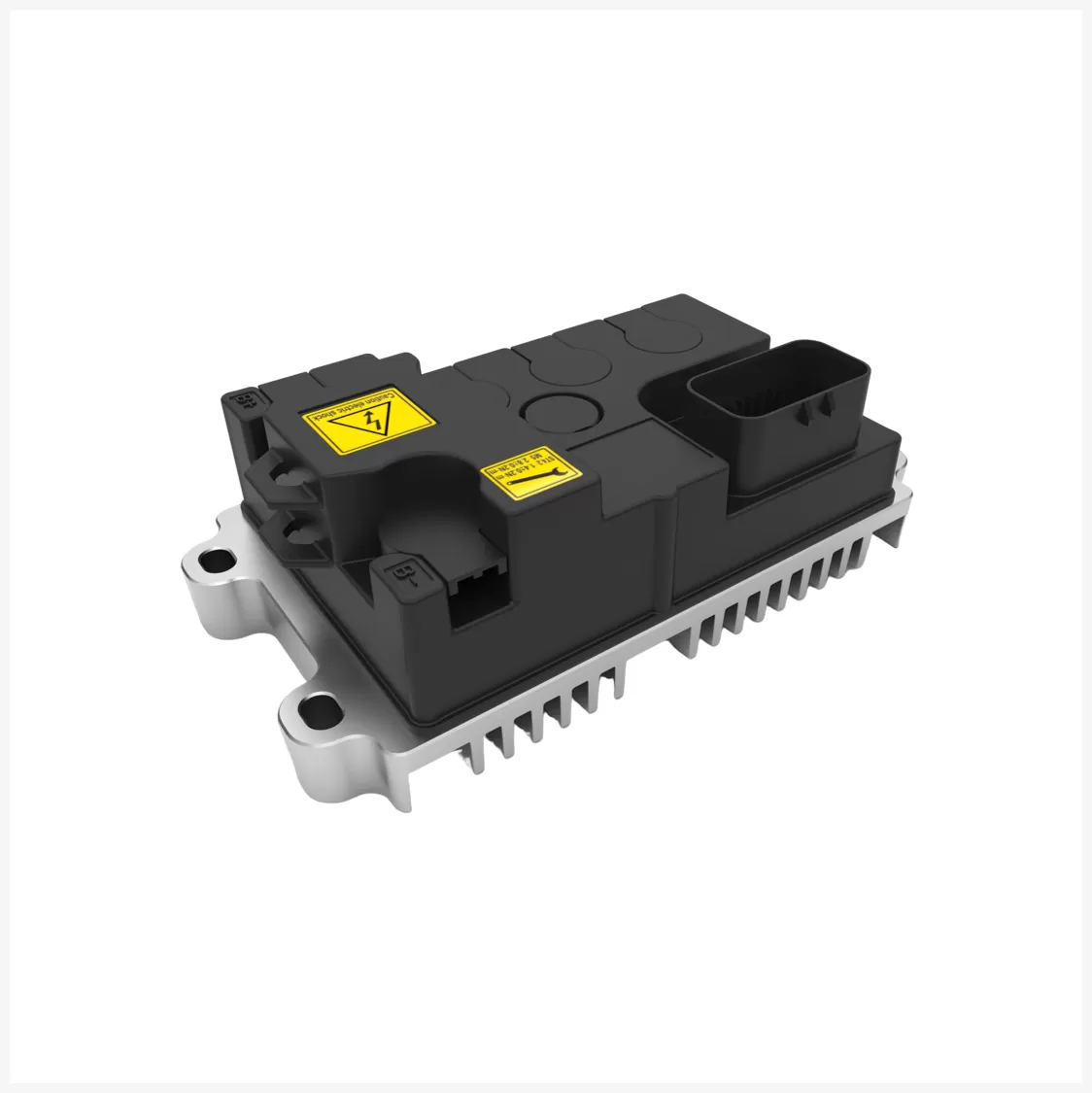
GTAKE provides EV/HEV motor controllers for electric and hybrid electric vehicle applications, with multiple product configurations for different powertrain requirements. The available models include the G02, G03, G04 and G05 series, with differences in rated voltage platforms, peak output current and application suitability.
For vehicle manufacturers and powertrain system integrators, evaluating these specifications helps determine whether a controller is suitable for the intended vehicle. GTAKE also provides dedicated drive solutions for buses and passenger vehicles, helping customers assess controller selection in the context of their overall drivetrain requirements.
What is an EV Motor Controller?
An EV motor controller, also known as a Motor Control Unit (MCU) in electric vehicle applications, regulates the operation of the traction motor. It controls the electrical output supplied to the motor to manage speed, torque and driving response according to system commands.
In an electric vehicle powertrain, the controller works with the battery, traction motor and vehicle control system. Its performance depends on factors such as battery voltage, motor type, control strategy, operating load and thermal management.
When selecting an electric vehicle motor control unit, vehicle manufacturers should consider:
-
Voltage compatibility: Whether the controller’s input voltage range matches the vehicle battery system.
-
Motor compatibility: Whether the controller supports the intended synchronous or asynchronous motor.
-
Output current and power: Whether its current ratings and power capability meet the vehicle’s operating requirements.
-
Communication and integration: Whether the available interfaces and communication settings are compatible with the vehicle control architecture.
These factors help narrow down the appropriate EV motor controller for a specific vehicle platform.
Key Features of Our EV Motor Controllers
GTAKE’s EV/HEV traction motor controllers offer different configurations for electric vehicle powertrain applications. Actual specifications depend on the selected model and should be evaluated against the vehicle’s electrical, mechanical and operating requirements.
High Efficiency
Energy conversion efficiency is an important consideration when selecting an electric vehicle motor controller. GTAKE’s published G02, G03, G04 and G05 specifications list efficiency of at least 98% at the rated operating point.
Actual system efficiency depends on the motor, controller configuration, operating load and integration conditions. Vehicle manufacturers should evaluate performance across the intended operating range rather than relying on a single rated-point value.
Advanced Safety Features
Protection functions and environmental requirements should be reviewed when integrating an EV motor control unit into a vehicle powertrain. GTAKE product documentation lists IP67 protection for the G02, G03, G04 and G05 controllers, while its drive solution documentation describes functions such as overcurrent, overvoltage, overtemperature and communication fault protection.
The available protection functions depend on the relevant product and system configuration. Customers should confirm the applicable specifications and vehicle-level safety requirements before selecting a controller.
Precise Speed and Torque Control
Accurate motor control is essential for predictable vehicle acceleration and stable power delivery. GTAKE’s EV motor controllers are designed to regulate motor speed and torque in response to vehicle control requirements.
For the G03 and G04 series, GTAKE publishes a torque response time of less than 5 ms and torque control accuracy of ±5%. These model-specific performance figures provide useful reference points when evaluating controller response for demanding vehicle applications.
Compact and Reliable Design
Installation space, cooling requirements and environmental conditions all affect EV motor controller selection. GTAKE’s G02, G03, G04 and G05 models feature water cooling and IP67 protection, with model-specific dimensions, weights and operating temperature ranges.
Reviewing these details during powertrain development helps vehicle manufacturers assess installation constraints, thermal management and environmental suitability. The final selection should be based on the relevant model’s technical documentation.
GTAKE EV/HEV Motor Controller Models
GTAKE offers several EV/HEV traction motor controllers for different electrical platforms and vehicle applications. The following models provide a starting point for comparing controller specifications.
G02 EV/HEV Motor Controller
The G02 EV/HEV Motor Controller supports 336 V DC and 540 V DC rated voltage platforms. Its published specifications include peak output current options of 320 A and 410 A for one minute, with a maximum controller peak power of up to 200 kW.
G02 supports synchronous and asynchronous motors and is listed for applications including electric and hybrid buses, trucks, vans, wheel loaders and boats. Its published specifications also include IP67 protection and water cooling.
G03 EV/HEV Motor Controller
The G03 EV/HEV Motor Controller is designed for a 540 V DC rated platform, with an input voltage range of 400–750 V DC. Available peak current ratings are 320 A, 410 A and 525 A for one minute.
G03 supports synchronous and asynchronous motors and features water cooling and IP67 protection. Its published torque response time of less than 5 ms and torque control accuracy of ±5% are relevant when evaluating powertrain control requirements.
G04 EV/HEV Motor Controller
The G04 EV/HEV Motor Controller supports a 540 V DC rated platform, with an input voltage range of 400–750 V DC and peak output current options of 570 A, 690 A and 900 A for one minute.
GTAKE lists G04 for trucks and large buses over 12 m. Its specifications include synchronous and asynchronous motor compatibility, IP67 protection and water cooling, making it a model to evaluate for higher-current commercial vehicle applications.
G05 EV/HEV Motor Controller
The G05 EV/HEV Motor Controller supports a 336 V DC rated platform, with an input voltage range of 200–450 V DC. The available peak output current ratings are 250 A and 330 A for one minute.
G05 is listed for electric and hybrid buses, trucks, vans, wheel loaders and boats. It supports synchronous and asynchronous motors and features IP67 protection and water cooling.
When comparing these EV/HEV motor controller models, confirm the rated and peak current requirements, voltage range, operating duration, motor compatibility, cooling method and installation dimensions. Peak current ratings specified for one minute should not be interpreted as continuous current ratings.
Benefits of Choosing Gtake as Your EV Motor Controller Manufacturer
Choosing an EV motor controller manufacturer requires more than comparing rated power and current. Product range, engineering experience, technical documentation and the ability to support powertrain integration are also important considerations.
Proven Expertise
GTAKE began research and development in AC drives and EV/HEV motor controllers in 2009. Its experience in motor control technology provides a foundation for developing controllers for industrial and electric vehicle applications.
For vehicle manufacturers evaluating a potential supplier, GTAKE’s company profile provides information about its development history, product lines and company background.
Customization Options
Different vehicle platforms may require different voltage ranges, current ratings, communication settings and installation configurations. GTAKE’s published controller specifications include model-dependent options, and some models list customized CAN communication protocols.
Rather than assuming that every requirement can be accommodated, customers should provide their target battery voltage, motor type, required power and current, control interface and operating conditions. GTAKE can then confirm which existing model or configuration is appropriate.
Global Reach
GTAKE’s company information describes its international business presence and customer support activities. For overseas vehicle manufacturers and system integrators, evaluating a potential EV motor controller supplier should also include product documentation, technical communication and the support arrangements available for the destination market.
Contact GTAKE to clarify model availability, technical requirements and support options for your project.
Commitment to Innovation
Motor control technology continues to evolve alongside electric vehicle powertrain requirements. GTAKE operates Shenzhen and Nanjing R&D centers and develops products for motor control and clean energy applications.
Learn more about its R&D capabilities to evaluate the company’s technical background when comparing EV motor controller manufacturers.
Applications of EV Motor Controllers
GTAKE’s EV motor controllers serve different electric vehicle and mobility applications. The appropriate model depends on the required powertrain configuration and the controller’s published specifications.
-
Electric Cars: Controllers for compatible passenger vehicle platforms, including applications covered by GTAKE’s low-speed passenger car drive solution.
-
Electric Buses: Electric bus motor controllers for suitable vehicle voltage platforms and traction motor requirements, including the G02 and G04 series.
-
Electric Motorcycles and Scooters: Dedicated motor controllers for compatible electric two-wheelers; the applicable product series should be selected separately according to vehicle requirements.
-
Electric Trucks: Electric truck motor controllers for compatible commercial vehicle powertrains, with different current and voltage options across GTAKE’s product range.
-
Electric Boats: Controllers for applicable electric and hybrid marine vehicle powertrains, including applications listed for G02 and G05.
Vehicle manufacturers should verify voltage compatibility, motor type, continuous and peak current requirements, cooling arrangements and environmental conditions before choosing a specific electric vehicle motor control unit.
EV Motor Controller Solutions by Vehicle Type
In addition to individual controllers, GTAKE provides EV drive solutions that help customers evaluate motor control within the context of their vehicle applications.
These solution pages complement the individual product specifications and provide additional context for customers comparing EV motor controllers for different vehicle platforms.
Why Choose Gtake as Your EV Motor Controller Supplier?
When evaluating an EV motor controller supplier, vehicle manufacturers should focus on product compatibility, technical evidence and the supplier’s ability to support application-specific requirements.
GTAKE provides:
-
Multiple EV/HEV motor controller models with different voltage platforms and current ratings.
-
Published technical specifications covering motor compatibility, protection ratings, cooling methods and environmental conditions.
-
Motor control R&D experience dating back to 2009, supported by dedicated R&D centers.
-
Vehicle-specific drive solutions for selected bus and passenger vehicle applications.
-
Technical product information to help customers compare available models against their powertrain requirements.
Whether you are evaluating a controller for a commercial electric vehicle, a hybrid powertrain or another compatible electric mobility application, start by defining the battery voltage, motor specifications, current requirements and control interfaces.
Contact GTAKE to discuss your project requirements and identify a suitable EV motor controller for further technical evaluation.