

A Variable Speed Drive (VSD) and a Variable Frequency Drive (VFD) are often mentioned together when engineers select motor control equipment. Are they different products, or simply two names for the same thing? In many AC motor applications, the terms overlap. Technically, VSD is the broader term for equipment that controls motor speed, while a VFD adjusts an AC motor’s speed by changing the frequency of its power supply.
The distinction matters when choosing a drive for industrial equipment. A pump may need to maintain flow as demand changes, a CNC spindle may require a wide speed range, and a crane may need controlled acceleration and braking under varying loads. A drive that suits one application may not meet the needs of another.
Understanding the terminology is a useful starting point, but the motor, load, and control requirements should guide the final choice. This guide explains the differences between VSDs and VFDs, their common applications, and the specifications worth checking before selecting a drive.
What Is a Variable Speed Drive?
A Variable Speed Drive is a device or system that adjusts the operating speed of a motor or driven machine. The term describes the function rather than one specific control technology.
How Does a VSD Work?
The operating principle depends on the type of drive. Electronic drives regulate the electrical power supplied to a motor, while mechanical systems can change output speed through adjustable transmission mechanisms.
In industrial applications, speed control helps equipment match actual operating demand. For example, a pump does not always need to run at full speed. Adjusting its speed to meet the required flow can reduce unnecessary energy use under suitable conditions.
Common Applications
VSDs are used in a wide range of equipment, including:
- Pumps and fans for flow and pressure control
- Conveyors for material handling
- HVAC systems for air circulation
- Industrial machinery requiring adjustable speed
- Cranes and hoists requiring controlled movement
The right drive depends on the motor, load characteristics, and required level of control.
What Is a Variable Frequency Drive?
A Variable Frequency Drive is an electronic drive that controls an AC motor by changing the frequency of its power supply. The drive typically adjusts output voltage alongside frequency to support the required motor operation.
How Does a VFD Control Motor Speed?
A typical VFD converts incoming AC power into DC power, smooths the DC supply, and then converts it back into AC power at the required output frequency and voltage.
Changing the output frequency changes the operating speed of the motor. Depending on its control mode, the drive can also regulate acceleration, deceleration, and torque.
Benefits of Using a VFD
A properly selected VFD can help manufacturers:
- Match motor speed to production demand
- Control starting and stopping
- Reduce mechanical stress during acceleration and deceleration
- Improve process control
- Reduce energy consumption in suitable variable load applications
Energy savings depend on the load, operating hours, and system design. A VFD does not automatically reduce energy use in every application.
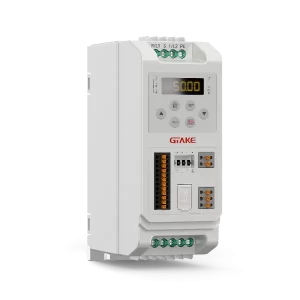
Variable Speed Drive vs Variable Frequency Drive: Key Differences
The main difference is the scope of each term. VSD describes the broader function of speed control, while VFD refers to a specific electronic method used with AC motors.
| Comparison | Variable Speed Drive | Variable Frequency Drive |
|---|---|---|
| Meaning | A broad term for speed control equipment | A drive that varies AC output frequency |
| Technology | Depends on the drive type | Electronic frequency control |
| Motor compatibility | Depends on the technology | Primarily designed for AC motors |
| Typical applications | Industrial equipment and motor driven systems | Pumps, fans, conveyors, and other AC motor applications |
In practice, manufacturers often use VSD and VFD interchangeably when referring to AC drives. The product specifications are more useful than the terminology alone when comparing equipment.
Are VSD and VFD Interchangeable?
For many industrial AC motor applications, yes. A supplier may describe a product as a VSD, VFD, or AC drive even when the product serves the same basic purpose.
The technical distinction still matters. VSD is a broader category, while a conventional VFD controls an AC motor through variable frequency output. A DC motor generally needs a compatible DC drive instead of a conventional VFD.
Before purchasing, check the motor rating, output current, control method, speed range, overload capacity, and braking requirements. These details determine whether a particular drive is suitable for the job.
How to Choose the Right Variable Speed Drive
Choosing the right drive starts with the equipment’s operating requirements. Several factors deserve attention before comparing models.
Check Motor Ratings and Load Conditions
Review the motor nameplate for rated voltage, current, power, and speed. Also consider whether the equipment starts under load, operates continuously, or experiences frequent changes in torque.
Power rating alone is not enough. The drive must handle the required current and load conditions, including any short term overload during starting or acceleration.
Consider Speed and Torque Control
Basic speed adjustment may be sufficient for a fan or pump. Applications involving demanding low speed operation, changing loads, or fast response may benefit from vector control.
For example, the GK310 high performance vector control ac drive supports open loop vector control for asynchronous and synchronous motors. GTAKE specifies 150% starting torque at 0.25 Hz, a useful figure to review when evaluating low speed starting requirements.
Match the Drive to the Application
Different machines place different demands on a drive.
- General industrial equipment: GK910 compact ac drives provide a compact option for applications such as pumps, fans, and HVAC equipment. Confirm the model’s power range and operating requirements before selection.
- CNC machine tools: A GK900M spindle servo drive is designed for spindle applications. Check the required speed range, torque response, feedback arrangement, and compatibility with the CNC control system.
- Cranes and hoists: A GK900H crane specific ac motor drive is designed for crane applications. The selection process should account for load changes, acceleration, braking, and integration with the wider control system.
Application requirements should determine the drive type, rather than the product name alone.
Check Braking and Regenerative Requirements
Some machines frequently slow down, reverse direction, or release energy during deceleration. Such applications may require more than basic speed control.
A four quadrant drive supports motoring and braking in both forward and reverse directions. Depending on its design, a regenerative drive can also return recovered energy to the power supply.
For equipment with frequent braking cycles, review the available four quadrant drives and check whether the system requires a braking resistor, regenerative unit, or another braking arrangement.
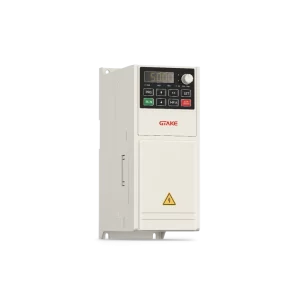
Common Mistakes When Selecting a VSD or VFD
A few basic checks can prevent unnecessary costs and commissioning problems.
- Choosing by power alone: Check rated current, overload capacity, starting torque, and the actual load profile.
- Assuming all drives perform alike: Control modes and speed regulation can differ considerably between models.
- Ignoring braking needs: Cranes and equipment with frequent deceleration may require dedicated braking or regenerative capabilities.
- Overlooking installation conditions: Check cooling, ambient temperature, enclosure protection, communication interfaces, and available space.
When a requirement is unclear, compare the technical documentation with the actual application and confirm any critical limits with the manufacturer.
Conclusion
The main difference between a Variable Speed Drive and a Variable Frequency Drive is the scope of the term. VSD is the broader category, while VFD describes electronic frequency control for AC motors. In everyday industrial use, the terms often overlap.
The right choice depends on the motor, load, speed and torque requirements, braking needs, and installation conditions. Check these factors before comparing products. Explore GTAKE’s AC drives to compare drive types for general industrial equipment, CNC spindles, cranes, and other motor control applications.
Frequently Asked Questions
Are Variable Speed Drives and Variable Frequency Drives the Same?
The terms often refer to the same type of AC drive in industrial markets. Technically, VSD is broader, while VFD specifically refers to a drive that varies AC output frequency.
Is a VFD a Type of VSD?
Yes. Under the broad technical definition, a VFD is one type of VSD. Other technologies can also control motor speed.
Does a VFD Control Voltage or Frequency?
A VFD primarily changes output frequency to regulate AC motor speed. It typically adjusts output voltage as well to support suitable motor operation.
Can a VFD Be Used With a DC Motor?
A conventional VFD is designed for AC motor control and is not a direct replacement for a DC motor drive. The drive must match the motor’s electrical characteristics.
How Do I Choose the Right VFD for an Industrial Motor?
Start with the motor’s rated voltage, current, and power. Then check the load type, required speed range, starting torque, overload capacity, braking needs, and control interfaces before selecting a model.