

Choosing the right Motor Controller current rating is essential for reliable motor performance. A controller with insufficient current capacity may limit torque, struggle during acceleration, or trigger protection under heavy loads. A controller with an unsuitable current limit can also place excessive stress on the motor, battery, wiring, and other components.
So, how many amps does your motor controller actually need? The answer depends on the motor’s rated current, peak operating demands, supply voltage, cooling conditions, and application. Understanding continuous current, peak current, and battery discharge limits will help you select a controller that meets your requirements without paying for unnecessary capacity. The following guide explains how to estimate your current needs, compare specifications, and avoid common selection mistakes.
What Does a Motor Controller Current Rating Mean?
A motor controller current rating describes the current a controller can handle under specified operating conditions. Two important ratings are continuous current and peak current.
Continuous Current vs. Peak Current
Continuous current is the current a controller can handle continuously under its specified cooling and operating conditions. The actual capacity may decrease when ambient temperatures rise or cooling becomes less effective.
Peak current is the higher current permitted for a limited period, such as during acceleration or a demanding load change. Always check the permitted duration rather than comparing peak values alone.
A suitable controller must support the application’s sustained current demand while providing enough peak capacity for expected operating conditions. Motor current requirements, including starting or stall current where relevant, are important parts of the selection process.
Battery Current vs. Motor Phase Current
Battery current and motor phase current are different measurements. Battery current refers to the DC current drawn from the power supply, while phase current refers to current flowing through the motor phases.
In an inverter based drive, the two values can differ because the controller converts DC power into controlled AC output. Always confirm which current rating the manufacturer specifies before comparing controllers.
How Much Current Does Your Motor Controller Need?
Start with the motor specifications rather than choosing a controller based only on its advertised power rating.
Check the motor’s rated voltage, rated current, operating conditions, and starting or peak current requirements. For variable loads, consider the highest current expected during normal operation, not just the average current.
Next, verify the power supply or battery limits. The controller must operate within the supply voltage range, and its configured current demand must remain within the capabilities of the battery, battery management system, wiring, connectors, and protective devices.
The appropriate rating therefore depends on three main factors:
-
Motor requirements: Continuous operating current and expected peak demand.
-
Power supply limits: Available current and permitted discharge conditions.
-
Controller capability: Continuous rating, peak rating, protection settings, and cooling requirements.
How to Calculate the Right Motor Controller Current
A simple calculation can provide a useful starting point, although final selection requires checking the manufacturer’s specifications.
Step 1: Confirm the Motor Specifications
Find the rated power, voltage, and current on the motor nameplate or technical data sheet. Check whether the published power represents electrical input power or mechanical output power.
Step 2: Estimate the Electrical Current
For a DC supply, the basic relationship is:
Current in amps = Electrical input power in watts ÷ Voltage in volts
For example, a system drawing 1,000 W of electrical input power at 48 V requires approximately 20.8 A of battery current under those conditions.
Real systems experience losses. If 1,000 W represents the mechanical output power and the overall efficiency is 90%, the electrical input power would be approximately 1,111 W, requiring about 23.1 A at 48 V.
These figures illustrate battery side current only. They do not directly determine the required motor phase current or the final controller rating.
Step 3: Verify Continuous and Peak Ratings
Compare the calculated current with the controller’s continuous rating and the expected operating peaks. Check the permitted peak duration and any thermal derating requirements.
Step 4: Check the Complete Electrical System
Confirm that the battery, battery management system, wiring, connectors, and protective devices can support the intended current. Also verify voltage compatibility and the controller’s suitability for the motor type.
What Happens If the Motor Controller Current Rating Is Too Low or Too High?
The consequences depend on the controller design, current settings, motor characteristics, and operating conditions.
| Selection Issue | Possible Consequence | What to Check |
|---|---|---|
| Insufficient continuous current | Reduced output or thermal protection | Continuous current demand |
| Insufficient peak capacity | Weak acceleration or protection shutdown | Peak rating and permitted duration |
| Excessive current settings | Motor overheating or component stress | Motor limits and protection settings |
| Inadequate cooling | Thermal derating or unexpected shutdown | Cooling conditions and operating cycle |
A higher current rating does not automatically force more current through the motor. The actual current depends on the load, controller settings, and system design.
However, increasing the current limit without confirming the motor and power supply capabilities can create new problems. Select a controller based on measured requirements and verified specifications rather than choosing the largest available rating.
How Does the Required Current Vary by Application?
Current requirements vary considerably between industrial equipment and electric vehicles. Each application needs its own compatibility checks.
Variable Speed AC Motor Controller
For a variable speed AC motor controller, check the motor’s rated current, expected load, duty cycle, and cooling conditions. Pumps, fans, conveyors, and other machines may have different starting and operating demands.
Confirm the controller’s output current rating and overload capability using the manufacturer’s documentation.
Motorcycle Controller
An electric motorcycle may need additional current during acceleration or uphill riding. Selection should consider motor specifications, battery discharge capacity, thermal management, and the expected riding conditions.
A higher current rating alone does not guarantee better performance if the battery or motor cannot safely support the additional demand.
EV AC Motor Controller and Traction Inverters
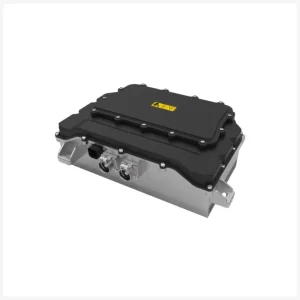
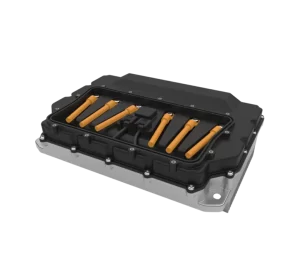
An EV motor controller must match the traction motor and the vehicle’s electrical architecture. Engineers need to consider continuous and peak current, DC bus voltage, motor type, cooling, and the requirements for regenerative braking.
For example, GTAKE provides electric vehicle motor controller options and EV AC motor controller products for relevant vehicle applications. These product categories can help buyers investigate suitable solutions, but individual specifications must still be checked against the intended system.
A traction inverter also requires careful consideration of its DC input current and AC motor phase current. Review the inverter options for EV applications to explore relevant product configurations.
What Should You Check Before Choosing a Motor Controller?
Before purchasing a controller, review the following specifications:
-
Rated input voltage and operating voltage range.
-
Continuous current and peak current duration.
-
Battery current and motor phase current definitions.
-
Motor type and control compatibility.
-
Cooling requirements and thermal derating.
-
Current protection settings and operating limits.
-
Battery, wiring, connector, and communication compatibility.
When evaluating Motor Controller manufacturers, look beyond the headline current rating. Request complete technical documentation, clear definitions of rated values, and guidance on the intended application.
For vehicle projects, reviewing the manufacturer’s research and development capabilities may also help buyers assess its technical support and engineering experience.
Frequently Asked Questions
How Many Amps Does a Motor Controller Need for a 1,000 W Motor?
The required current depends on the operating voltage and whether 1,000 W refers to electrical input or mechanical output. At 48 V, 1,000 W of electrical input requires approximately 20.8 A before additional system considerations. Final selection must account for efficiency, peak demand, and controller specifications.
Should a Motor Controller Have a Higher Current Rating Than the Motor?
The controller must support the motor’s required operating conditions, including expected peaks. The appropriate margin depends on the application, cooling, and manufacturer recommendations. A fixed percentage is not suitable for every system.
Can I Use a Higher Current Controller With My Battery?
Possibly, but the configured current demand must remain within the battery’s discharge limits and the capabilities of the battery management system, wiring, and other components. A larger controller rating alone does not establish compatibility.
What Is the Difference Between Continuous and Peak Current?
Continuous current describes sustained operation under specified conditions. Peak current applies for a limited duration. Check both ratings and the conditions under which the manufacturer measured them.
Does a Higher Current Controller Always Deliver More Power?
No. Actual power depends on voltage, current settings, motor characteristics, load, and system limitations. A higher current rating provides additional potential capacity but does not guarantee greater output in every operating condition.
Conclusion
Selecting the right Motor Controller means balancing the motor’s current requirements with the power supply, controller capacity, and cooling system. Start with the motor specifications, estimate the electrical demand, and verify both continuous and peak current ratings. Check the complete electrical system before making a purchase, especially when working with electric vehicle traction equipment. For vehicle applications, explore GTAKE’s motor control solutions to review available options and identify products whose specifications match your project requirements.