

A BLDC Motor Controller plays a vital role in controlling motor speed, torque, and operation. When a motor suddenly stops, struggles to start, or runs at an unstable speed, the controller may seem like the obvious cause. However, power supply problems, loose wiring, faulty Hall sensors, and excessive loads can produce similar symptoms.
Replacing the controller without proper testing can waste time and money. A more effective approach is to check the power supply first, inspect the connections, test the control signals, and then evaluate the motor and controller separately. This guide explains how to troubleshoot common BLDC motor controller problems, identify their likely causes, and choose the right corrective action. The steps apply to many low voltage brushless motor systems, although the exact procedure depends on the motor and controller specifications. High voltage electric vehicle systems require additional precautions and qualified technicians.
What Are the Common Signs of a BLDC Motor Controller Failure?
Recognizing the symptoms helps narrow down the possible causes before testing begins.
The Motor Will Not Start
A motor that remains still after power is applied may have an incorrect supply voltage, loose connections, a missing enable signal, or a faulty sensor. Check the controller status indicators and fault codes before assuming the controller has failed.
The Motor Runs Unevenly
Sudden speed changes, vibration, or repeated stopping can indicate unstable power, incorrect control settings, poor sensor feedback, or an excessive mechanical load.
The Motor or Controller Overheats
Excessive current, blocked cooling passages, heavy loads, or internal electrical faults can cause abnormal temperatures. Stop the system if overheating persists and investigate the cause before restarting.
The Controller Stops Unexpectedly
A controller may shut down when its protection functions detect abnormal voltage, current, or temperature. Record any displayed fault code and consult the product manual before resetting the equipment.
What Causes a BLDC Motor Controller to Fail?
Several problems can produce similar symptoms, so inspect the complete drive system rather than focusing only on the controller.
Power supply problems: Voltage outside the specified range or a sharp voltage drop during startup can prevent normal operation.
Damaged wiring: Loose terminals, corroded connectors, damaged insulation, or incorrect phase connections can interrupt power or motor feedback.
Faulty Hall sensors: Motors using Hall sensors rely on position feedback for proper electronic commutation. Missing or incorrect signals can prevent startup or cause irregular rotation.
Motor or mechanical faults: Damaged windings, worn bearings, a blocked shaft, or excessive load can cause poor performance and overheating.
Incorrect settings or internal damage: An incorrect speed command, incompatible motor configuration, damaged power components, or a faulty control circuit may also be responsible.
How to Troubleshoot a BLDC Motor Controller Step by Step
Follow a logical sequence, starting with simple external checks before moving to more specialized tests.
Step 1: Check the Power Supply
Use a suitable meter to measure the supply voltage and compare the reading with the controller specifications. Check the voltage during startup when safe and practical, because a supply can appear normal at rest but drop under load.
Inspect the battery, power supply, fuse, and main connections. Correct any voltage or supply problem before continuing.
Step 2: Inspect Wiring and Connectors
Disconnect the power source and follow the manufacturer’s safety instructions before touching electrical connections.
Check the supply terminals, three motor phase wires, sensor connections, and grounding arrangements where applicable. Look for loose terminals, damaged insulation, corrosion, or signs of overheating. Confirm every connection against the correct wiring diagram.
Step 3: Check Control Signals and Fault Codes
Confirm that the controller receives the required enable signal and speed command. Depending on the design, the system may use PWM, analog signals, communication networks, or other control inputs.
Check whether a brake interlock or protective input is preventing startup. Use the manufacturer’s diagnostic procedure to interpret fault codes rather than resetting the controller repeatedly.
Step 4: Test Hall Sensors and Feedback Signals
For motors equipped with Hall sensors, inspect the sensor wiring and power supply. A suitable meter can help check signal changes, while an oscilloscope can provide a clearer view of signal timing.
Follow the manufacturer’s test procedure and rotate the motor only under approved conditions. Some motors use resolvers or other feedback devices instead, so confirm the sensor type before testing.
Step 5: Check the Motor Windings
With the motor safely disconnected from the controller, measure resistance between the motor phase terminals according to the motor manual. Compare the readings for obvious differences, open circuits, or signs of a short circuit.
A standard multimeter cannot reliably identify every winding fault. Insulation testing also requires the correct instrument and procedure, especially when connected electronics could be damaged. Refer uncertain results to a qualified technician.
Step 6: Inspect the Mechanical Load and Cooling
Check whether the shaft, bearings, and connected machinery show signs of binding or abnormal resistance. Inspect cooling fans, ventilation passages, and other cooling components for obstructions.
Correct excessive load or cooling problems before restarting the motor. Repeated operation under abnormal conditions may damage both the motor and controller.
Step 7: Confirm Whether the Controller Is Faulty
Review the results from the previous checks. If the power supply, wiring, control signals, motor feedback, and mechanical load meet specifications, further controller diagnosis may be necessary.
A compatible, verified working controller can sometimes help isolate the fault, but only when the motor, voltage, current, feedback system, wiring, and configuration are suitable. Do not substitute a controller simply because its connectors look similar.
Safety note: Electric vehicle traction controllers can operate at dangerous DC voltages. Do not open high voltage equipment or probe its live terminals unless you have the required training, equipment, and approved procedure.
How to Fix Common BLDC Motor Controller Problems
Use the symptoms below as a starting point. Confirm the cause through testing before replacing components.
| Problem | Possible Cause | Recommended Action |
|---|---|---|
| Motor will not start | Supply, wiring, enable signal, or sensor fault | Check voltage, connections, and control signals |
| Motor stops repeatedly | Unstable supply or protection shutdown | Review wiring and fault codes |
| Speed fluctuates | Feedback fault or incorrect settings | Check sensor signals and speed commands |
| Motor overheats | Excessive load or poor cooling | Inspect the load, ventilation, and current |
| Controller trips under load | Abnormal current, voltage, or temperature | Identify the triggering condition before restarting |
A useful example is a motor that runs normally without a load but stops when driving a machine. The symptom may point to insufficient power capacity, excessive mechanical resistance, or a current protection limit rather than an immediately defective controller. Comparing the operating conditions with the equipment specifications helps identify the next test.
How to Tell Whether the Motor or Controller Is Faulty
The distinction matters because replacing the wrong component will not solve the original problem.
Signs of a motor problem include abnormal winding measurements, damaged bearings, restricted shaft movement, or incorrect sensor feedback originating from the motor.
Signs of a controller problem may include recurring internal fault codes, abnormal output behavior, or failed diagnostic tests after the external supply, wiring, motor, and control signals have been checked.
Repair or replacement should depend on the test results, component availability, service requirements, and manufacturer guidance. When the cause remains uncertain, seek technical support before ordering a replacement.
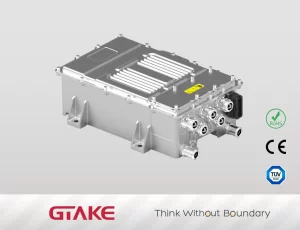
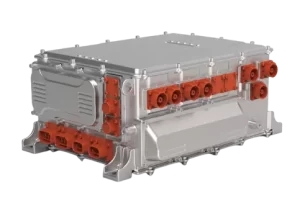
For electric vehicle applications, the choice requires additional care. An EV motor controller must match the motor type and vehicle system. For example, GTAKE’s M20 EV/HEV traction motor controller is specified for synchronous and asynchronous motors within a defined high voltage range. The product should not be assumed to be a universal controller for every BLDC motor.
How to Prevent BLDC Motor Controller Failure
Regular inspections can help reduce avoidable faults and unexpected downtime.
-
Check electrical connections for looseness, corrosion, and damaged insulation.
-
Maintain adequate cooling by keeping ventilation paths and cooling components clear.
-
Stay within rated limits for voltage, current, speed, and mechanical load.
-
Review recurring fault codes instead of repeatedly resetting the controller.
-
Follow the manufacturer’s instructions for wiring, configuration, inspection, and maintenance.
Keep a record of fault codes, operating conditions, and previous repairs. A clear maintenance history can help technicians identify recurring problems and make more informed repair decisions.
Frequently Asked Questions
Why Is My BLDC Motor Not Spinning Even Though the Controller Has Power?
Power at the controller does not guarantee normal operation. Check the enable signal, speed command, phase connections, sensor feedback, and protective shutdown status.
How Do I Know If My BLDC Motor Controller Is Bad?
Check the power supply, wiring, motor, and control signals first. A controller fault becomes more likely when these checks pass but diagnostic evidence still indicates an internal problem.
Can a Multimeter Test a BLDC Motor Controller?
A multimeter can measure suitable voltage, resistance, and continuity points. However, it cannot confirm every dynamic control function or internal power component. Some faults require specialized diagnostic equipment.
Why Does My BLDC Motor Controller Keep Overheating?
Possible causes include excessive load, insufficient cooling, incorrect operating settings, and electrical faults. Check the actual operating conditions against the motor and controller specifications.
Is an EV Motor Controller the Same as a BLDC Motor Controller?
Not necessarily. An electric vehicle motor controller may be designed for a specific traction motor type, feedback system, and high voltage architecture. Verify compatibility before selecting a replacement.
Conclusion
Troubleshooting a BLDC Motor Controller starts with checking the power supply, wiring, control signals, motor feedback, and mechanical load. These steps help distinguish external problems from genuine controller faults and reduce unnecessary replacement costs. Always follow the equipment manual and use qualified technicians for hazardous electrical tests, especially in electric vehicle systems. For vehicle traction applications, review the motor type, voltage range, and control requirements before choosing a replacement. Explore GTAKE’s EV motor controller solutions to learn more about motor control options for different vehicle applications.