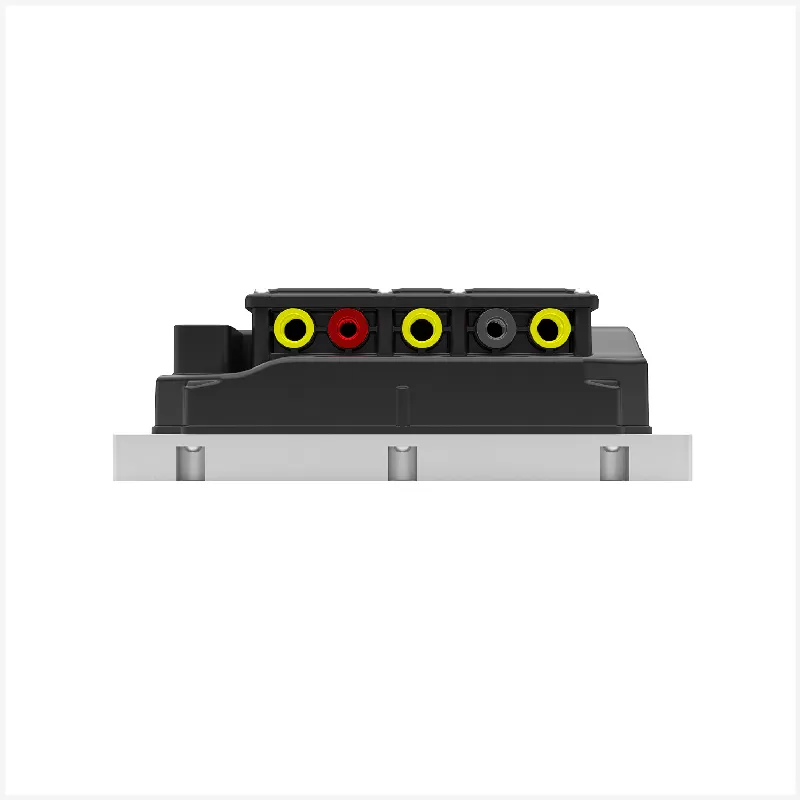
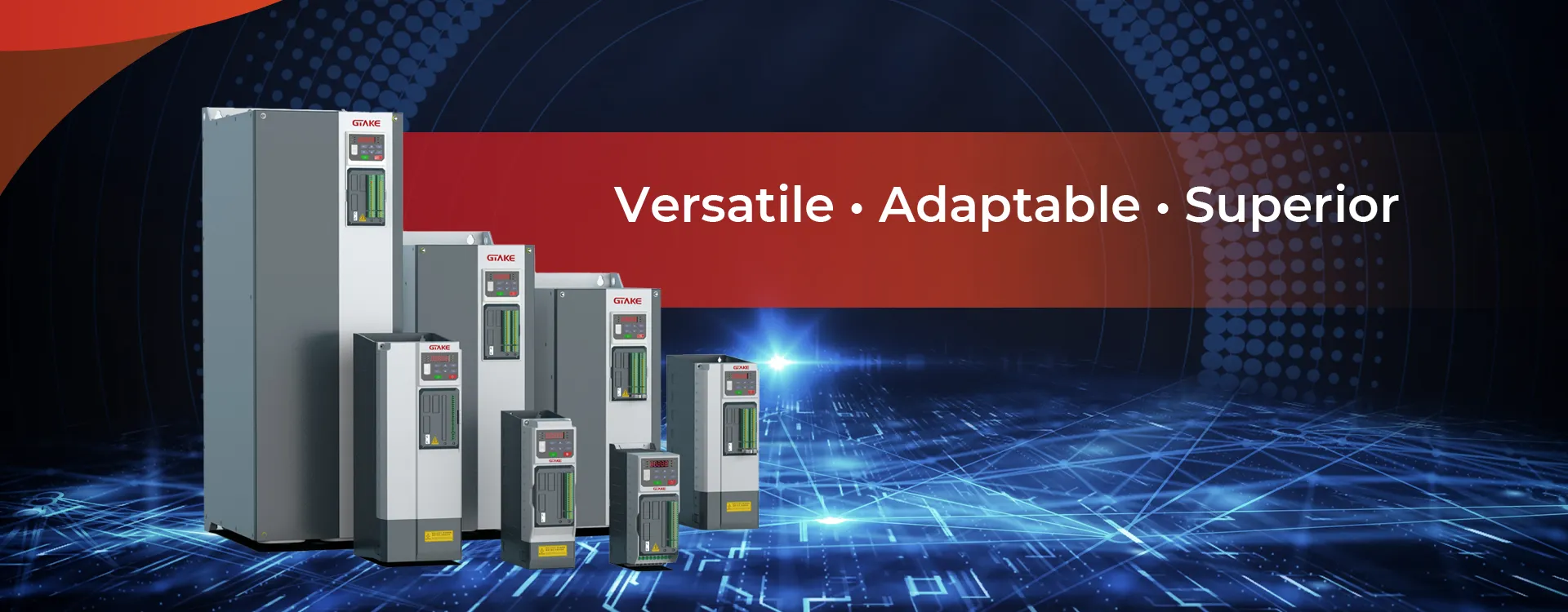
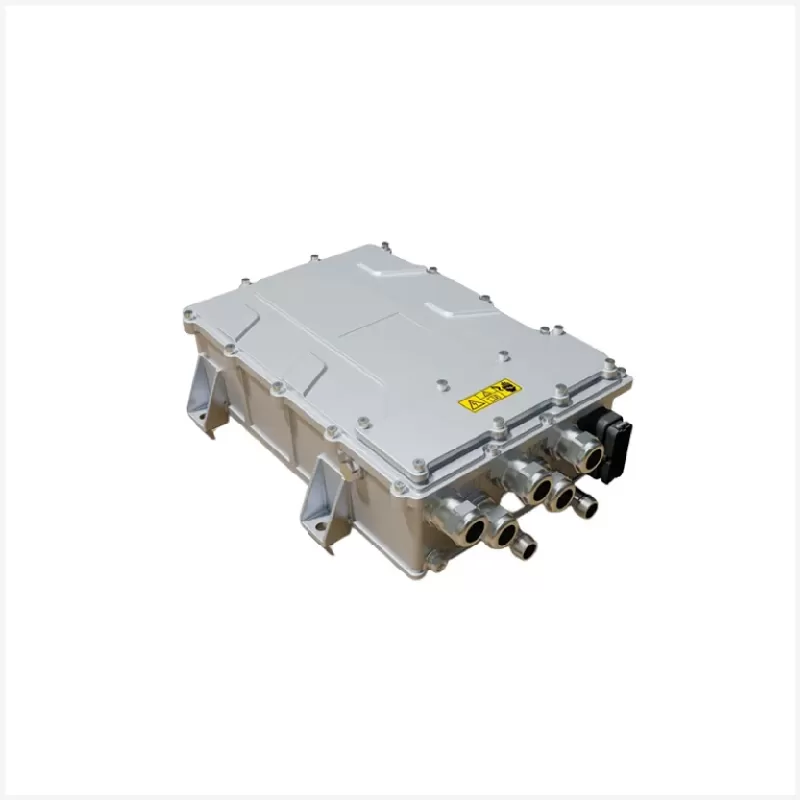
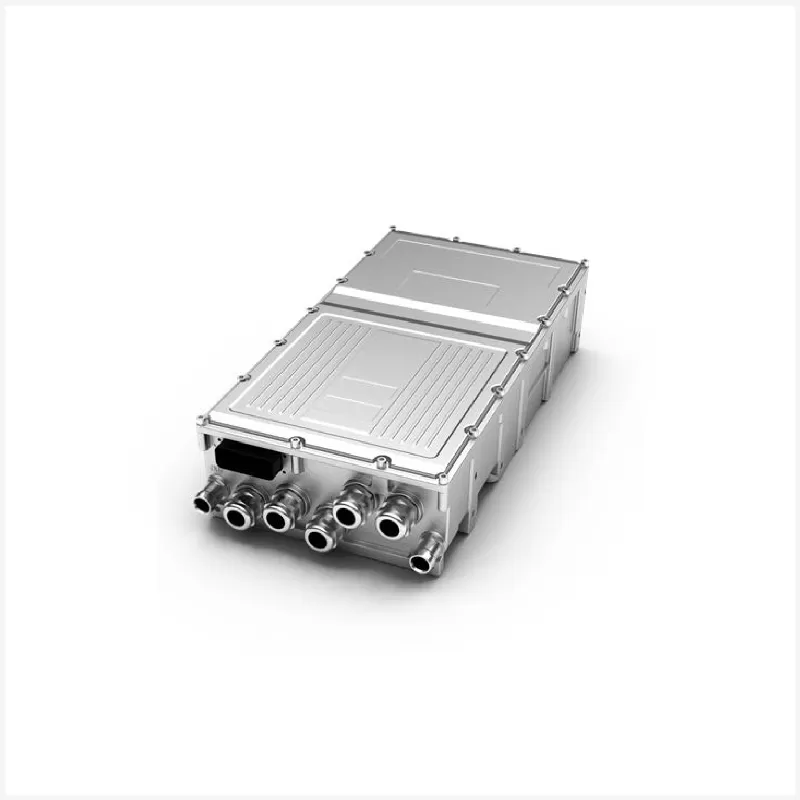
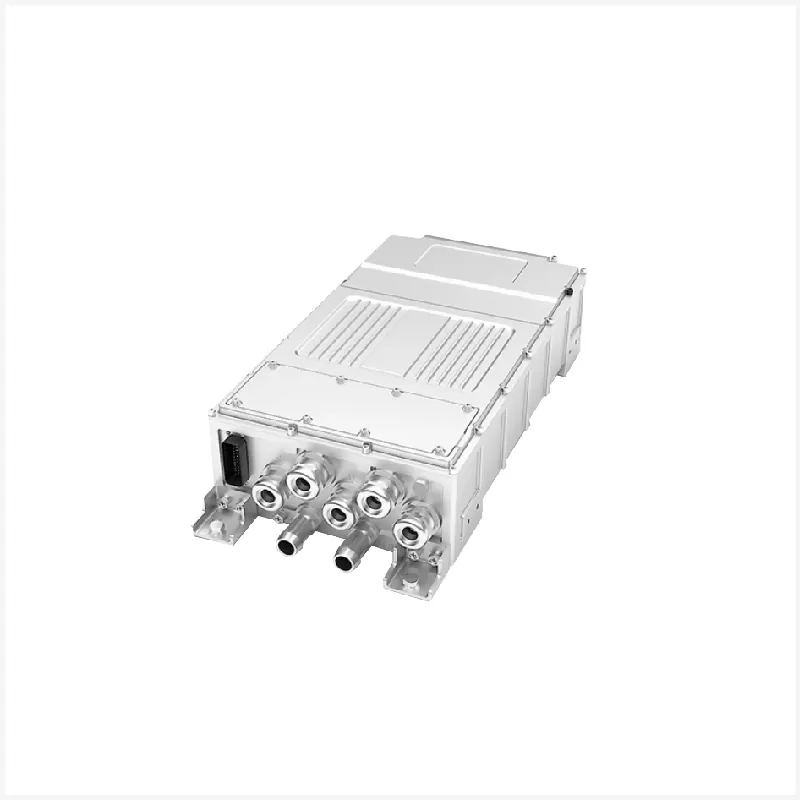
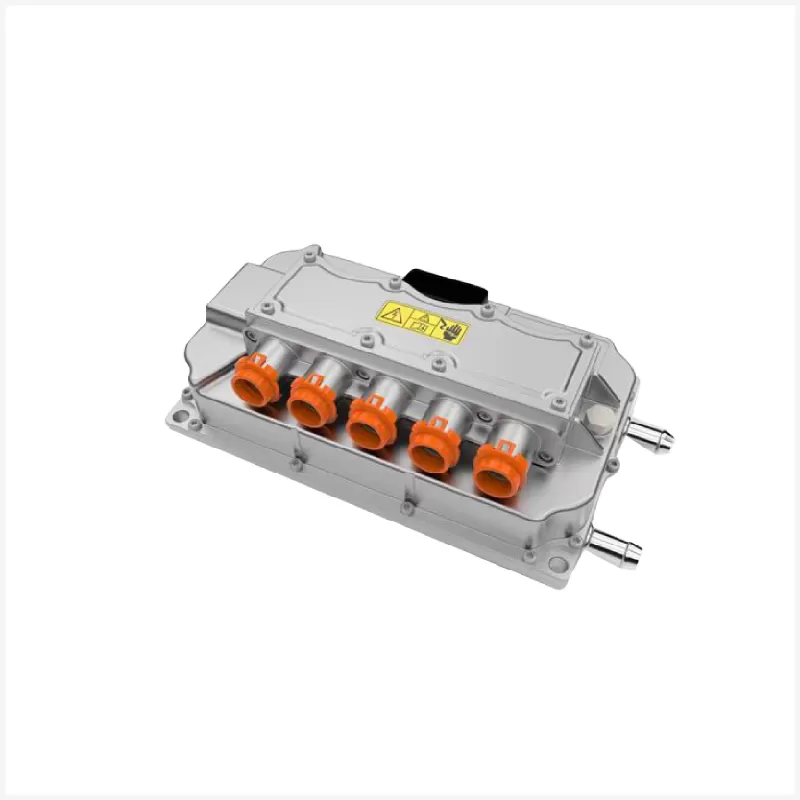
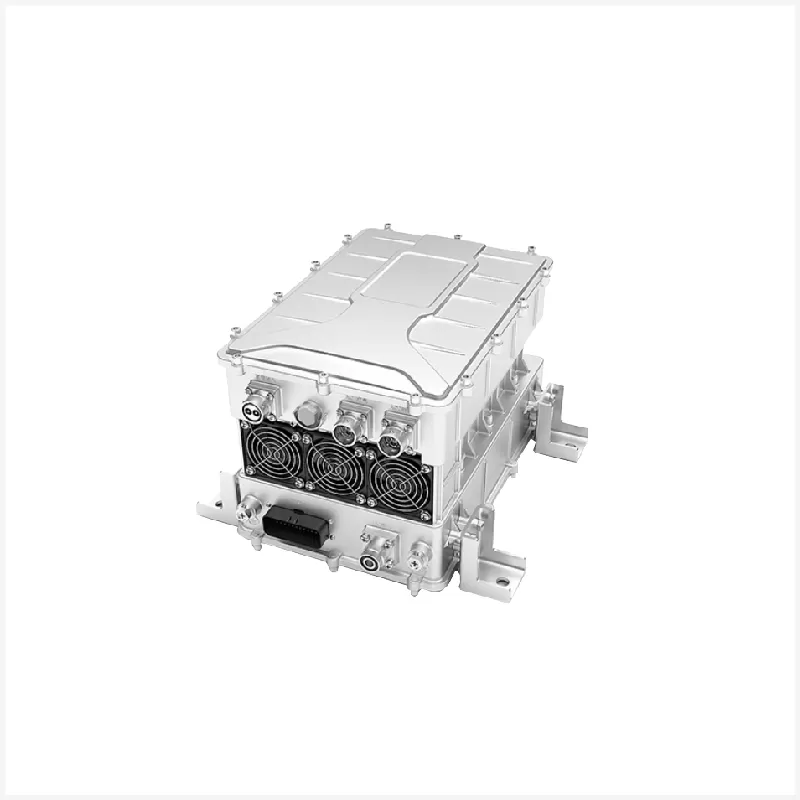
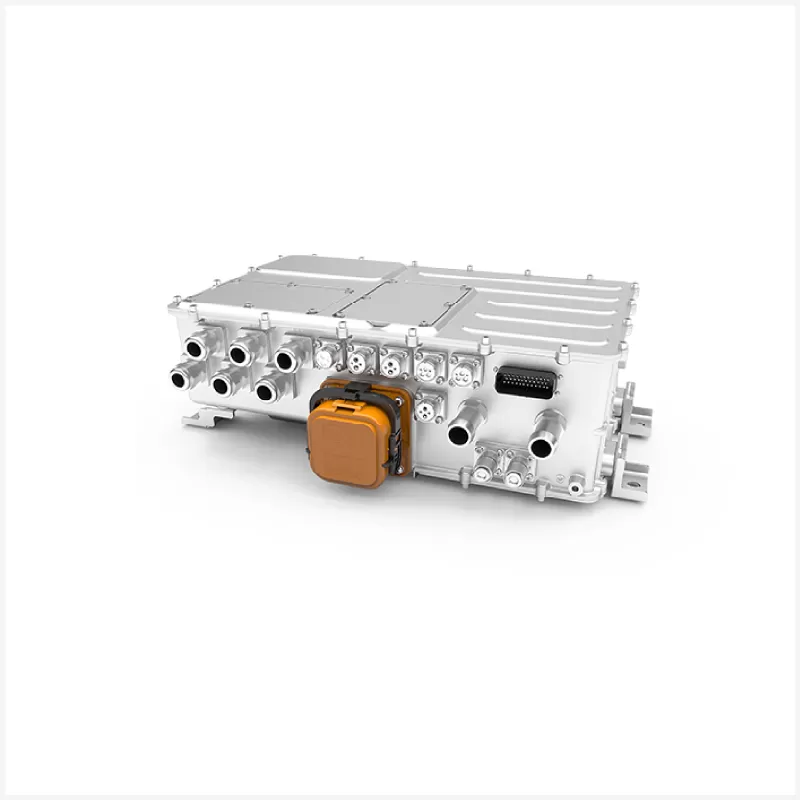
GTAKE specializes in designing and producing innovative AC drives (also known as variable frequency drives), electric vehicle motor controllers, bidirectional DC sources, and test rigs with advanced control algorithms and cutting-edge technology, delivering optimal performance and reliability for industrial automation and new energy applications.
What is a Variable Frequency Drive (VFD)?
A Variable Frequency Drive (VFD), sometimes referred to as a Variable Speed Drive (VSD) or Frequency Converter, is an electronic device used to control the speed and torque of an electric motor by varying the frequency of the electrical supply to the motor. VFDs are commonly employed to enhance the energy efficiency of electric motor-driven systems, reduce wear and tear on mechanical components, and provide precise control over motor operation.
How Does a Variable Frequency Drive Work?
A VFD operates by adjusting the frequency and voltage of the power supplied to the electric motor. Here’s a step-by-step breakdown of how a typical VFD works:
AC Power Input: The VFD takes in alternating current (AC) power from the grid, typically at a fixed frequency (50 or 60 Hz).
Rectification: The AC power is first converted into direct current (DC) power by a component called the rectifier.
DC Bus: The DC power is temporarily stored in a DC bus. This bus smooths out the fluctuations from the rectifier.
Inversion: The stored DC power is then fed into an inverter, which converts it back to AC power. The inverter is capable of producing AC power at a variable frequency and voltage, depending on the motor’s requirements.
Motor Control: By adjusting the output frequency and voltage, the VFD controls the speed and torque of the motor. Lowering the frequency reduces the motor’s speed, while increasing the frequency increases the motor’s speed.
Benefits of a Variable Frequency Drive
Energy Efficiency: One of the most significant advantages of a VFD is its ability to adjust motor speed according to the load, reducing energy consumption. For example, in a pump or fan application, the energy required decreases exponentially as the motor speed is reduced. This means that operating a system with a VFD can lead to significant energy savings.
Reduced Mechanical Stress: VFDs provide soft starts and stops, gradually ramping the motor’s speed up or down. This reduces the mechanical stress on the motor, shafts, and other components, thereby extending their lifespan and reducing maintenance costs.
Precise Speed Control: VFDs allow precise control of motor speed and torque. This is especially important in applications where process control, accurate flow rates, or system stability is critical.
Lower Operating Costs: By optimizing energy usage and reducing maintenance needs, VFDs help lower operational costs. They also help in reducing the need for costly mechanical devices like throttling valves.
Improved Process Control: With a VFD, the motor’s speed can be continuously adjusted in response to changing process conditions. This allows for better regulation of flow, pressure, and temperature in various applications.
Applications of Variable Frequency Drives
Pumps: In applications such as water treatment plants, chemical processing, and HVAC systems, VFDs are used to control pump speed based on system demand. This leads to energy savings and improved system control.
Fans and Blowers: VFDs are used to control fan speeds, ensuring optimal airflow and energy use. For instance, in HVAC systems, fan speeds are adjusted based on temperature and airflow requirements, providing better comfort while saving energy.
Conveyor Systems: VFDs help control the speed of conveyor belts, ensuring smooth operation and preventing jams. This is especially useful in production lines where precise speed control is crucial.
Compressors: VFDs control compressor speeds to match the required air or gas pressure. This improves system efficiency and reduces energy consumption.
HVAC Systems: In HVAC applications, VFDs control the motors of fans, pumps, and compressors, optimizing system performance and energy efficiency based on changing conditions.
Key Features of Variable Frequency Drives
Soft Start and Stop: VFDs gradually ramp up and down the motor’s speed, reducing the inrush current at startup and minimizing mechanical stress at shutdown.
Overload Protection: Many VFDs come with built-in overload protection, which prevents the motor from running beyond its rated capacity, safeguarding both the motor and the drive.
Energy Saving: By matching the motor speed to the load requirements, VFDs reduce unnecessary energy consumption, particularly in applications with varying load conditions.
Communication and Control: Modern VFDs often come with communication ports for integration into a larger automation or building management system. This allows for remote monitoring and control, enhancing the flexibility of the system.
PID Control: Many VFDs feature Proportional-Integral-Derivative (PID) control loops for applications requiring precise regulation of speed, pressure, or flow.
Conclusion
A Variable Frequency Drive (VFD) is an essential tool in modern industrial and commercial systems. It allows for the precise control of motor speed, leading to better efficiency, lower energy consumption, and extended equipment life. Whether used in pumps, fans, conveyors, or HVAC systems, VFDs help businesses reduce costs, improve process control, and enhance sustainability. With the increasing demand for energy-efficient and reliable solutions, the adoption of VFDs is expected to continue growing across various industries.