

An EV motor controller determines how an electric vehicle’s motor responds to driving commands. It regulates motor speed and torque, controls the flow of electrical power, and helps the vehicle deliver the performance required under different driving conditions.
When a driver presses the accelerator, the motor needs to respond quickly without drawing more power than necessary. When the vehicle slows down, the controller may also help recover energy through regenerative braking. The way these functions are handled affects driving performance, energy use, and the reliability of the electric drive system.
For vehicle manufacturers and engineers, choosing the right controller starts with understanding what the device actually does. The following sections explain its main functions, the difference between a motor controller and an inverter, and the specifications worth checking before selecting a model.
What Is an EV Motor Controller?
An EV motor controller is an electronic unit that regulates an electric motor based on driving commands and feedback from the vehicle. The controller adjusts the electrical input to produce the motor speed and torque required for a particular operating condition.
In a typical electric vehicle with an AC traction motor, the battery supplies DC power. The controller’s power electronics convert this supply into controlled AC output for the motor.
The main components work together as follows:
Battery: Supplies electrical energy to the drive system.
Motor controller: Regulates power delivery and motor operation.
Electric motor: Converts electrical energy into mechanical motion.
Vehicle control unit: Coordinates driving requests and communicates with other vehicle systems.
The exact arrangement varies by vehicle design. GTAKE’s EV Motor Controller guide provides further details on controller components and operation.
What Does an EV Motor Controller Do?
The controller’s job goes beyond starting and stopping the motor. Its main functions become clearer when looking at how an electric vehicle accelerates, handles loads, and manages energy.
Controls Motor Speed and Acceleration
The controller adjusts motor output in response to the driver’s accelerator input and the vehicle’s control commands. Accurate regulation allows the vehicle to accelerate smoothly and maintain the requested speed.
For a delivery vehicle making frequent stops, responsive motor control makes a practical difference. The vehicle needs predictable acceleration when fully loaded, especially when pulling away from a junction or climbing a slope.
Regulates Motor Torque
Torque is the rotational force produced by the motor. Higher torque can be important when starting from rest, carrying heavy loads, or climbing steep roads.
The controller regulates motor current to deliver the requested torque within the system’s operating limits. Engineers must consider both continuous torque requirements and short periods of higher demand when matching a controller to a vehicle.
Manages Electrical Power
In an AC drive system, the controller regulates electrical power supplied to the motor. The control strategy adjusts motor operation as driving demands change, balancing performance with energy consumption.
The motor, battery, and controller must work within compatible voltage and current limits. Selecting a controller based on power alone can lead to problems if the electrical ratings or operating conditions do not match.
Supports Regenerative Braking
Some electric vehicles recover energy when slowing down. During regenerative braking, the traction motor acts as a generator, converting part of the vehicle’s kinetic energy into electrical energy.
The controller manages the associated power conversion. The amount of energy recovered depends on the drive system, battery charging limits, vehicle speed, and braking strategy.
Monitors Operating Conditions
Motor controllers may monitor current, voltage, temperature, motor position, and other signals. When the system detects a fault, available protection functions can limit operation or trigger a controlled shutdown.
The specific protections vary by model. Engineers should check the technical documentation rather than assume every controller offers the same monitoring and fault response functions.
EV Motor Controller vs. Inverter: What Is the Difference?
A motor controller and an inverter perform closely related functions, but the terms are not always interchangeable.
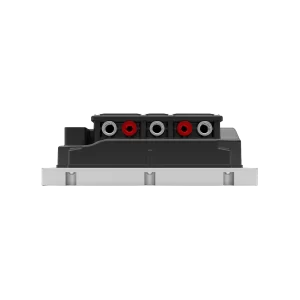
An inverter converts DC power into AC power in a typical electric vehicle drive system. The motor controller manages how the motor operates, using driving commands and feedback to regulate output. In many products, the inverter stage and motor control electronics are integrated into one unit.
The distinction matters when specifying equipment. A buyer should confirm whether a product contains the required control functions or whether additional hardware is needed.
For example, GTAKE’s EV inverter range is relevant when evaluating power conversion equipment for electric vehicle applications. Check the product specifications carefully to establish its intended use and system compatibility.
EV AC Motor Controller vs. Variable Speed AC Motor Controller
An EV AC motor controller regulates an electric vehicle’s traction motor. The application may require rapid torque response, vehicle communication, regenerative braking, and operation under changing loads.
A variable speed AC motor controller regulates the speed of an AC motor, often in industrial equipment such as pumps, fans, and machinery. Depending on the product, the term may refer to equipment with a variable frequency drive.
Although both types control AC motors, their intended applications are different. An industrial drive should not automatically be considered suitable for vehicle propulsion.
Before selecting a controller, check the motor type, DC input voltage, output current, control method, cooling requirements, and communication interfaces. GTAKE’s EV AC controllers provide a relevant starting point for evaluating vehicle drive applications.
Where Are EV Motor Controllers Used?
Different electric vehicles place different demands on their drive systems. Vehicle weight, motor rating, driving conditions, and duty cycle all influence controller selection.
Passenger Cars and Light Commercial Vehicles
Passenger vehicles need responsive acceleration and consistent motor control across changing road conditions. Delivery vans and other light commercial vehicles may also operate through repeated stop and start cycles throughout the day.
For these applications, engineers should consider motor compatibility, operating efficiency, and the ability to manage repeated changes in load. GTAKE’s passenger car solution covers a dedicated low speed vehicle application.
Electric Buses and Heavy Commercial Vehicles
Electric buses, trucks, and mining vehicles often operate under sustained loads. Their controllers require careful sizing for continuous power, peak demand, cooling, and the expected operating environment.
GTAKE’s M15 controller illustrates how specifications vary between vehicle applications. The published options include rated and peak power combinations of 90 kW and 135 kW, 132 kW and 198 kW, and 150 kW and 230 kW, depending on configuration.
These figures are product specifications, not general requirements for all commercial EVs. The correct configuration depends on the vehicle, motor, and operating duty.
How to Choose the Right EV Motor Controller
Matching the controller to the motor is only the first step. Engineers should review the full electrical and mechanical requirements before confirming a model.
Check Motor Compatibility
Confirm that the controller supports the intended motor type, position sensor, and control method. A controller designed for one motor configuration may not operate correctly with another, even when their rated power is similar.
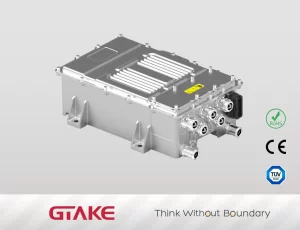
For example, the G05 EV Motor Controller supports synchronous and asynchronous motors according to its published specifications.
Verify Voltage and Current Ratings
Check the battery’s operating voltage range, the motor’s current requirements, and the controller’s continuous and peak ratings. Peak current ratings must also be considered alongside their permitted duration.
The G05 specifications list an input voltage range of 200 V DC to 450 V DC, with peak current options of 250 A or 330 A for one minute. These ratings apply to the listed configurations and should not be treated as universal EV specifications.
Review Cooling and Environmental Requirements
Heat, vibration, moisture, and ambient temperature can affect controller operation. Check the required cooling method, enclosure rating, operating temperature range, and relevant vehicle requirements.
For example, the G05 product page lists water cooling and an IP67 enclosure rating. The M15 EV Motor Controller uses liquid cooling and also lists IP67 protection.
Confirm System Integration
The controller must communicate correctly with the vehicle control unit and other relevant systems. Confirm the available communication protocols, sensor interfaces, fault signals, and software requirements before installation.
Discussing these requirements with the motor and controller suppliers early in development can help identify compatibility issues before vehicle testing begins.
How to Evaluate EV Motor Controller Manufacturers
Choosing among EV motor controller manufacturers involves more than comparing rated power and price. Buyers should also examine engineering support, manufacturing processes, and experience with similar applications.
Start by reviewing the supplier’s technical documentation. Confirm the available motor configurations, test data, protection functions, and applicable standards for the specific product.
Manufacturing and development capabilities also matter. GTAKE provides information about its R&D capability and production capacity, which buyers can review when assessing the supplier.
Before placing an order, clarify the expected quantity, delivery schedule, customization requirements, and support available during system integration. These details help establish whether the proposed controller fits the actual project.
Frequently Asked Questions
Does Every Electric Vehicle Need a Motor Controller?
Electric vehicles with traction motors require a way to regulate motor operation. The control functions may be integrated into a larger drive unit or implemented through separate components, depending on the vehicle architecture.
Does an EV Motor Controller Affect Driving Range?
Yes. Motor control efficiency and regenerative braking can affect energy consumption. However, battery capacity, vehicle weight, road conditions, tires, and driving habits also influence overall range.
Can One EV Motor Controller Work With Different Motors?
Some controllers support more than one motor type, but compatibility must be verified. Check the supported motor types, voltage and current ratings, sensor requirements, and control settings before connecting a different motor.
What Should Buyers Prepare Before Requesting a Quote?
Prepare the battery voltage, motor type, rated and peak power, current requirements, vehicle application, cooling conditions, and communication requirements. Providing these details helps the supplier assess the application and identify suitable configurations.
Conclusion
An EV motor controller regulates how an electric vehicle’s motor uses electrical power to produce motion. Speed and torque control, power conversion, regenerative braking, and fault protection all contribute to drive system performance, although available functions vary by model.
The best choice depends on motor compatibility, electrical ratings, cooling, operating conditions, and vehicle integration requirements. Before selecting a model, compare the published specifications with the needs of the intended vehicle. Explore GTAKE’s EV controllers to review available products and identify configurations for further technical evaluation.