

Starting torque plays a critical role in many industrial motor systems. In real working conditions, equipment does not fail when running at full speed. Instead, problems often happen during startup, especially in heavy-load applications. Because of this, the starting torque of a VFD directly affects whether the motor can start smoothly and safely.
Many industries such as material handling, metal processing, agriculture, and manufacturing rely on reliable motor startup. If the starting torque is too low, the motor may stall, vibrate, or overload. Therefore, understanding what determines the starting torque of a VFD is very important when selecting an AC drive.
What Is Starting Torque in a VFD System?
Simply speaking, starting torque refers to the torque that the motor can produce when it starts from zero speed. In a VFD system, the drive controls the voltage and frequency to help the motor start more smoothly than traditional direct-on-line starting.
Starting torque is especially important for applications with heavy loads or high inertia. Equipment such as conveyors, crushers, mixers, and large fans often require higher torque at low speed. For this reason, the performance of the VFD during startup becomes a key factor in system reliability.
VFD Control Technology: The Most Important Factor
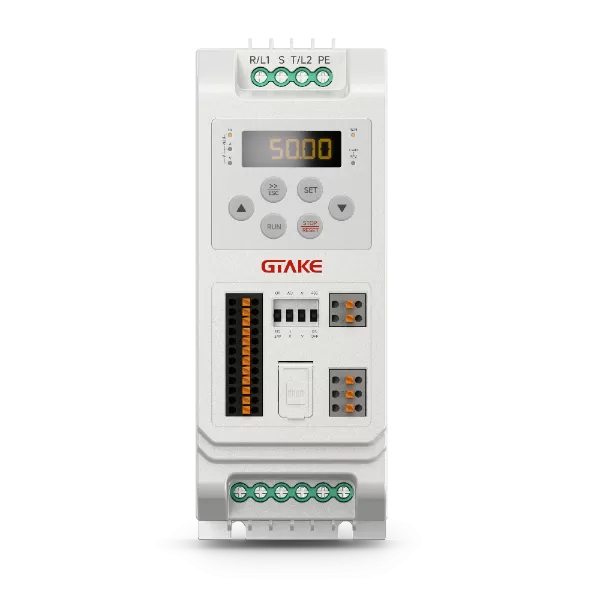
First of all, control technology is the most important factor that determines the starting torque of a VFD. Different manufacturers use different control methods, and this can lead to big differences in performance. For example, basic V/F control provides stable operation for light-duty applications, but advanced vector control can provide much higher torque at low speed.
In addition, modern high-performance AC drives use more advanced control algorithms to improve torque output during startup. These technologies help the motor start smoothly even under heavy load conditions. As a result, the design and technology of the VFD have a direct impact on its starting torque capability.
Power Rating and Hardware Design of the VFD
Besides control technology, the hardware design of the VFD also affects the starting torque. In general, drives with higher power ratings usually have stronger current output capability. Since motor torque is closely related to current, a VFD with higher current capacity can provide better startup performance.
Furthermore, the quality of the power modules, cooling system, and circuit design also plays an important role. High-quality components allow the VFD to operate more stably during startup, especially in heavy industrial environments. Therefore, the overall design of the AC drive is another key factor that determines starting torque.
Motor Characteristics and Their Impact on Starting Torque
Starting torque is not only determined by the VFD itself. The characteristics of the motor also have a strong influence. Different motors have different starting performance, and some motors are more suitable for high-torque applications.
For example, motor power, efficiency level, and design structure can all affect the startup result. If the motor and the VFD are not properly matched, the system may not deliver enough torque. Because of this, correct motor and VFD selection is very important for reliable startup.
Load Type: High-Inertia vs Low-Inertia Applications
In addition to the motor, the type of load also determines how much starting torque is required. High-inertia loads usually need more torque during startup because the motor must overcome resistance and inertia at the same time. On the other hand, light-duty applications require less starting torque.
Typical high-torque applications include conveyor systems, mixers, crushers, agricultural machines, and heavy industrial equipment. These machines often start under load, which means the VFD must provide stable torque from low speed. As a result, understanding the load type is essential when choosing the right VFD.
Why Starting Torque Differs Between VFD Manufacturers
Starting torque of VFDs can vary between different manufacturers. This difference is mainly caused by product positioning, design technology, and application focus. Some companies focus on high-performance drives designed for heavy industrial use, while others focus on cost-effective solutions for light-duty applications.
Differences in control algorithms, hardware quality, and engineering experience also lead to different startup performance. Therefore, when comparing AC drives from different suppliers, starting torque should always be considered as a key technical parameter.
How to Choose a VFD with the Right Starting Torque
Choosing the right VFD requires a clear understanding of the application requirements. Engineers should first evaluate the load type, motor power, and startup conditions. Then, it becomes easier to select a VFD that provides sufficient starting torque.
It is also important to consider long-term reliability. A high-performance VFD not only improves startup stability but also reduces mechanical stress and maintenance costs. For this reason, selecting the right AC drive can significantly improve system efficiency and performance.
Conclusion: Starting Torque Is the Key to Reliable Motor Performance
In conclusion, the starting torque of a VFD is determined by several factors, including control technology, hardware design, motor characteristics, and load type. Different manufacturers may offer different levels of startup performance, depending on their product design and application focus.
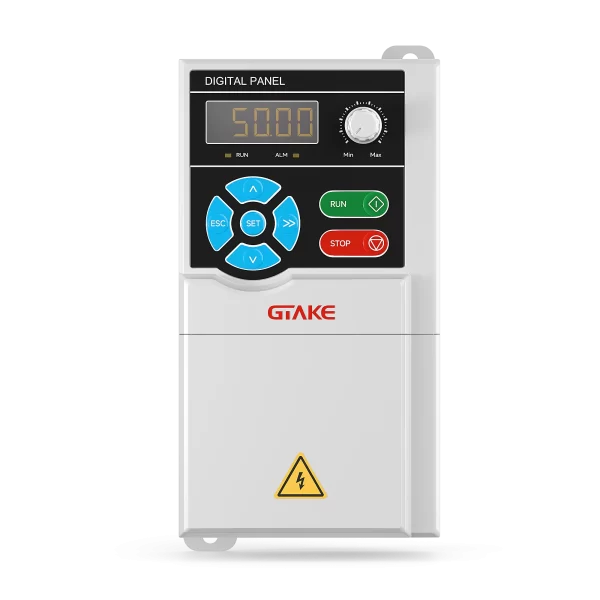
At GTAKE, we focus on developing high-performance AC drives and motor control solutions designed for reliable startup, high efficiency, and stable operation in demanding industrial environments. If you are looking for a reliable VFD supplier or need technical support for high-torque applications, our engineering team is ready to help you find the most suitable solution for your project.