

In modern agriculture and landscaping maintenance, lawn mowers must deliver more than basic grass trimming. Large orchards, golf courses, and municipal green spaces demand consistent cutting quality alongside stable operational efficiency. In these commercial settings, equipment performance directly affects maintenance costs and the overall quality of managed areas.
Cutting efficiency in electric lawn mowers depends substantially on motor controller capabilities. This article examines how advanced motor control technology enables electric lawn mowers to deliver superior cutting performance across diverse conditions and applications.
What Does Cutting Efficiency Really Mean?
Before exploring the technical aspects, it helps to define what cutting efficiency actually means in practical terms. Efficient cutting starts with uniformity—whether the mower produces a consistent, even finish across the entire working area without visible variations in height or appearance.
Efficiency also encompasses operational speed stability, meaning the equipment maintains a consistent working pace without slowing down when grass conditions change. Energy consumption forms another dimension of cutting efficiency. A system that completes the same area using less battery power extends productive working time and reduces operating costs. Finally, adaptability to different grass densities and terrain conditions determines whether operators need multiple passes to achieve acceptable results. All these factors together define real cutting efficiency in professional lawn care applications.
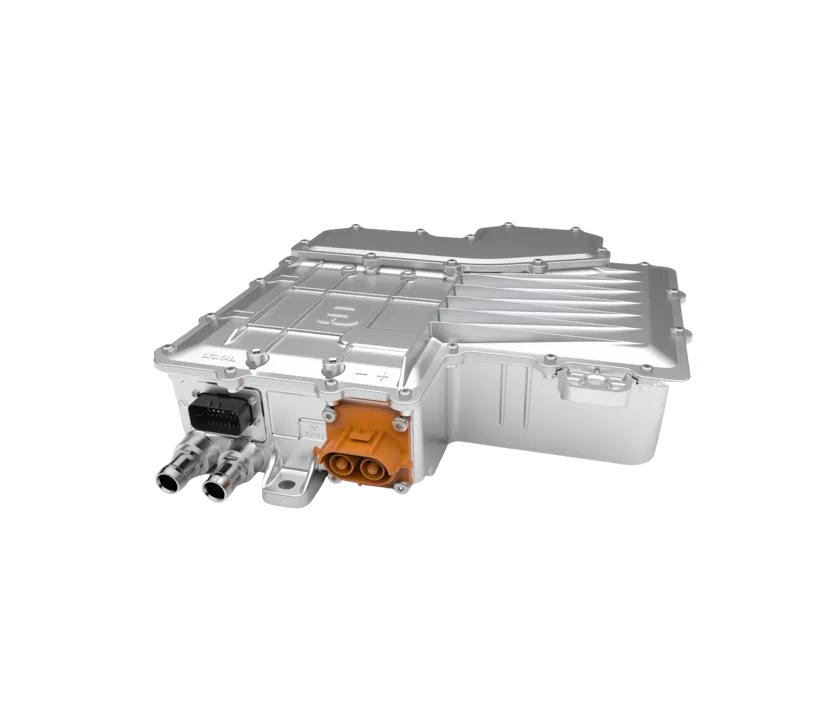
The Role of Motor Controllers in Electric Lawn Mowers
The motor controller functions as the brain of the electric lawn mower’s drive system. This critical component manages every aspect of motor operation, from startup through continuous cutting operation. By regulating motor speed and adjusting torque output, the controller directly determines how well the cutting blade performs under varying conditions.
Advanced motor control units process real-time feedback from motor sensors and adjust electrical output continuously. This constant adjustment keeps blade speed stable, maximizes energy efficiency, and protects the motor from damage caused by overload conditions. Beyond basic motor management, modern motor controllers support intelligent functions including performance monitoring and adaptive control strategies that improve cutting results automatically.
How Precise Speed Control Improves Cutting Quality
Speed control precision directly impacts the quality of every cut. When motor speed fluctuates during operation, blade velocity changes create uneven cutting patterns that leave visible marks across the maintained area. These inconsistencies require additional passes to correct, reducing overall operational efficiency.
Different grass types and growth stages require different optimal cutting speeds. Fine turf grass on golf fairways responds best to specific blade velocities, while coarser agricultural grasses tolerate different speed ranges. A motor controller capable of maintaining selected speeds accurately enables operators to match cutting parameters to actual conditions. This precision reduces the need for repeated cutting passes, which directly lowers fuel consumption, reduces battery drain, and increases the area coverage per charge cycle.
How Torque Control Helps Handle Different Grass Conditions
Varying grass density and terrain changes constantly alter the load placed on the cutting motor. When a mower moves from light grass into a dense patch or starts climbing a slope, motor load increases suddenly. Without responsive torque control, this increased load causes blade speed to drop, resulting in poor cutting quality and potential motor stress.
High-performance motor controllers detect load changes through continuous current and speed monitoring. When increased resistance appears, the controller instantly adjusts current output to maintain blade speed within acceptable ranges. This rapid torque response prevents the blade slowdowns that cause ragged cutting and reduces the mechanical stress that shortens blade and motor lifespan. The result is consistent cutting quality regardless of grass density variations or terrain changes encountered during operation.
Smart Motor Controllers Make Lawn Mowers More Efficient
Intelligent motor control technology adds another layer of efficiency improvement beyond basic speed and torque management. Smart motor controllers incorporate automatic speed adjustment that responds to detected load conditions without requiring operator input. When sensors indicate light cutting loads, the controller can reduce power consumption automatically, extending battery runtime during easier sections of the work area.
Energy management functions monitor battery status and motor temperature, optimizing power delivery to balance performance with efficiency throughout the working session. Data recording capabilities allow fleet managers to analyze machine performance, identify areas where efficiency improvements are possible, and schedule maintenance before problems develop. This combination of automatic adjustment and intelligent monitoring raises the overall productivity of electric lawn mower fleets in commercial applications.
Why Electric Lawn Mowers Need Advanced Motor Controllers
Commercial electric lawn mower applications create demanding requirements that basic motor control systems cannot satisfy. Extended continuous operation throughout working days requires motor controllers designed for sustained high-duty cycles without performance degradation. Agricultural parks and municipal maintenance operations often run equipment for many hours daily, placing thermal and electrical stress on all system components.
Complex terrain adaptation requires fast control response that keeps cutting performance stable across slopes, uneven ground, and varying surface conditions. Noise requirements in sensitive environments including residential areas and golf courses demand motor control strategies that minimize acoustic output from both the motor and controller electronics. The growing adoption of smart agriculture practices pushes equipment toward connectivity and monitoring capabilities that basic controllers cannot provide.

Key Benefits of High-Performance Motor Controllers
Advanced motor control technology delivers concrete improvements across all aspects of electric lawn mower operation. Cutting uniformity improves measurably because stable blade speed produces consistent results regardless of changing conditions. Operational speed increases because the mower maintains working pace without slowdowns caused by load variations.
Battery runtime extends through intelligent power management that eliminates unnecessary energy consumption during lighter cutting conditions. System stability increases substantially because advanced protection functions prevent damage from overload, overheating, and electrical faults that would cause unplanned downtime. Maintenance costs decrease because precise motor control reduces mechanical stress on cutting components, extending blade life and reducing wear on drive system components.
Conclusion: Motor Controllers Are the Key to High-Efficiency Electric Lawn Mowers
Cutting efficiency depends on far more than blade sharpness and design. The motor controller determines how consistently the blade operates, how effectively the system adapts to changing conditions, and how efficiently battery energy converts into productive cutting work. Advanced motor control technology enables electric lawn mowers to deliver professional cutting results while maximizing operational efficiency.
As electric lawn mowers continue replacing gas-powered equipment across commercial and agricultural applications, high-performance motor control systems become increasingly important to competitive equipment design. The capabilities of the motor controller define the performance ceiling for the entire machine.
Want to enhance your electric lawn mower’s cutting performance? GTAKE provides advanced EV motor control units and power electronics solutions specifically engineered for demanding outdoor equipment applications. Our motor controller technology delivers the precise speed regulation, responsive torque control, and intelligent energy management that professional electric lawn mowers require. Contact GTAKE today to discuss your equipment development requirements and learn how our proven motor control solutions can help your products achieve superior cutting efficiency and market performance.