

Choosing an Energy Storage Inverter is about more than comparing power ratings. The inverter affects how renewable power, batteries, loads, and the grid work together. A poor match can lead to battery communication issues, limited output, unnecessary conversion losses, or extra work during commissioning.
Many buyers start with price or rated power. Those factors matter, but they are only part of the picture. Battery compatibility, system architecture, load characteristics, and future expansion can have a bigger impact on how well the system performs in daily operation.
Whether you are planning a solar and storage project or adding batteries to an existing system, the key is to select an inverter based on the actual operating requirements. This guide explains what to check before making that decision.
What Is an Energy Storage Inverter?
An Energy Storage Inverter manages power between the battery, electrical loads, renewable energy sources, and the grid.
Batteries store energy as DC power, while most electrical loads use AC power. The inverter converts DC power from the battery into AC power during discharge. During charging, the power flow works in the opposite direction.
Modern systems often do more than basic power conversion. Depending on the application, the inverter may also support:
- Battery charging and discharging control
- Grid connection
- Load management
- Communication with the battery management system
- Monitoring and fault diagnosis
- Integration with an energy management system
In larger battery energy storage systems, these functions are commonly handled by a BESS PCS, also known as a Power Conversion System.
The exact role depends on the system design. For buyers, the main point is simple: the inverter needs to manage the required power flow safely and reliably.
Why Inverter Selection Matters
Once the basic function is clear, the next question is whether the inverter matches the actual application.
Consider a commercial building with rooftop solar. Solar generation may exceed local demand during the middle of the day. A battery can store the surplus and supply power later when demand increases.
The inverter controls this charging and discharging process. If the inverter is undersized, the battery may not deliver the required power. If battery communication is not properly matched, commissioning can become more complicated.
The right Energy Storage Inverter should therefore be selected as part of the whole system. Looking only at the rated power can leave important issues unchecked.
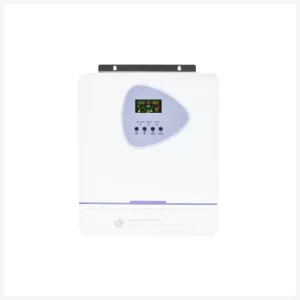
Energy Storage Inverter vs. Hybrid Solar Inverter
An Energy Storage Inverter and a hybrid solar inverter can both work with battery systems, but they are not always used in the same way.
A hybrid solar inverter usually combines solar conversion and battery control in one unit. This setup can simplify smaller solar and storage installations.
A battery storage inverter or BESS PCS is often used where the battery system requires dedicated bidirectional power conversion. These systems are common in commercial and industrial applications.
| Feature | Hybrid Solar Inverter | Battery Storage Inverter or BESS PCS |
|---|---|---|
| Main Role | Manages solar and battery power | Manages bidirectional battery power |
| Solar Connection | Often integrated | Depends on system design |
| Battery Charging | Yes | Yes |
| Grid Connection | Yes | Yes |
| Common Use | Solar and battery systems | Commercial and larger storage systems |
| Expansion | Depends on system design | Often suitable for system expansion |
The better option depends on the system architecture.
A new solar and battery installation may benefit from a hybrid design. A larger storage project may require a dedicated power conversion solution.
1. Match the Inverter Capacity to the Load
Power sizing should start with the actual load, not only the total battery capacity.
Check both continuous demand and peak demand. Pumps, motors, compressors, and similar equipment may require more power when starting than during normal operation.
Before choosing a battery storage inverter, review:
- Maximum simultaneous load
- Continuous power demand
- Peak power demand
- Motor starting requirements
- Expected future load growth
A system sized only for average consumption may work under normal conditions but struggle during peak operation.
2. Check Battery Compatibility
After confirming the power requirement, check battery compatibility.
Matching the voltage is not always enough. The inverter and battery may also need compatible communication and control settings.
Important points include:
- Battery voltage range
- Battery chemistry
- BMS communication requirements
- CAN or RS485 communication
- Charging limits
- Discharging limits
Poor compatibility can cause communication faults or restrict normal battery operation.
For systems that may expand later, buyers should also check whether additional battery capacity can be added without changing the main power conversion equipment.
3. Review the System Architecture
The inverter should match the way power moves through the system.
Some renewable energy systems connect solar generation and batteries directly. Others use separate AC connections for generation and storage.
Before selecting equipment, review:
- Solar connection requirements
- Battery voltage
- Existing electrical equipment
- Grid connection
- AC or DC system design
- Future expansion plans
A hybrid solar inverter can simplify systems where solar generation and battery storage are planned together. Separate power conversion equipment may offer more flexibility for larger installations.
4. Look Beyond Peak Efficiency
Efficiency affects how much stored energy remains available after conversion.
Peak efficiency is useful for comparison, but many systems operate below full load for much of the day. Partial load performance and standby consumption can also affect total energy losses.
When comparing equipment, consider:
- Peak efficiency
- Performance at partial load
- Charging efficiency
- Discharging efficiency
- Auxiliary power consumption
The most suitable Energy Storage Inverter should match the operating pattern of the application rather than simply offer the highest headline efficiency figure.
5. Confirm Electrical and Grid Requirements
Electrical requirements should be checked before the final product selection.
The inverter must match the voltage, frequency, and electrical configuration of the installation.
Review:
- AC voltage
- System frequency
- Single phase or three phase requirements
- Grid connection rules
- Required protection functions
- Local certification requirements
These details can affect installation and commissioning. Checking them early can prevent equipment changes later in the project.
6. Check Control and Energy Management Functions
Power conversion is only one part of energy storage operation.
Many renewable energy systems also need to control when batteries charge and discharge. The right control strategy can help improve solar self consumption or reduce peak electricity demand.
Useful functions may include:
- Scheduled charging and discharging
- Peak shaving
- Load priority settings
- Remote monitoring
- Fault diagnostics
- Communication with an energy management system
For example, a factory can charge batteries when solar generation exceeds local demand. The stored power can then support operations when demand increases.
The value comes from using stored energy at the right time rather than simply storing as much energy as possible.
7. Plan for Future Expansion
Energy demand can change after a system is installed.
A factory may add production equipment. A commercial site may install more electrical loads. A renewable energy project may increase battery capacity in a later phase.
For this reason, check whether the system supports:
- Additional battery capacity
- Higher power requirements
- Parallel operation
- Software updates
- External communication
- Long term technical support
A scalable design can reduce the need for major equipment changes when the application grows.
Common Applications for Energy Storage Inverters
Residential Solar and Storage
Residential users often add battery storage to use more of their own solar power and reduce reliance on grid electricity.
A hybrid system can manage solar generation during the day and store surplus electricity for later use.
Commercial and Industrial Storage
Commercial and industrial facilities may use energy storage to manage demand peaks and improve the use of on site renewable generation.
These applications often require careful power sizing because load demand can change quickly.
Solar and Battery Projects
Solar generation and electricity demand do not always occur at the same time.
Battery storage allows surplus energy to be used later. The inverter manages the power flow between solar generation, the battery, electrical loads, and the grid.
Remote Power Systems
Remote sites may combine solar, batteries, and other power sources.
These applications often require stable power control because renewable generation and load demand can change throughout the day.
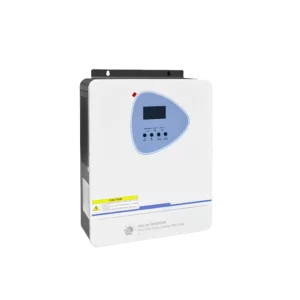
Choosing a GTAKE Energy Storage Inverter
Product selection should start with the application requirements.
GTAKE offers renewable energy products for different energy storage applications. The EA3024 Energy Storage Inverter and EA2012 Energy Storage Inverter can be reviewed based on system power requirements, battery configuration, and application needs.
A practical selection process should focus on the following areas:
| Selection Factor | What to Check |
|---|---|
| Application | Residential, commercial, industrial, or renewable energy use |
| Load | Continuous and peak power demand |
| Battery | Voltage and communication requirements |
| System Design | Solar and battery configuration |
| Expansion | Future battery or power requirements |
For larger projects, equipment selection should be reviewed together with the full electrical design.
Why Manufacturer Capability Should Be Considered
Choosing a renewable energy inverters manufacturer involves more than comparing specifications.
Technical support can affect commissioning and long term operation. Research and development capability can also influence product updates and system integration.
Before selecting a supplier, consider:
- Engineering experience
- Technical documentation
- Product testing
- Application support
- Product availability
- Research capability
GTAKE provides additional information through its Company Profile and R&D.
For complex storage systems, early technical communication between the equipment supplier and project team can help identify compatibility issues before installation begins.
Frequently Asked Questions
What Is an Energy Storage Inverter?
An Energy Storage Inverter converts power between the battery and the AC electrical system. Most models also manage battery charging and discharging.
What Is the Difference Between an Energy Storage Inverter and a Solar Inverter?
A traditional solar inverter mainly converts solar DC power into AC power. An Energy Storage Inverter also supports bidirectional conversion for battery charging and discharging.
What Is a BESS PCS?
BESS PCS means Battery Energy Storage System Power Conversion System. The equipment manages power conversion between the battery system and the AC electrical network.
How Do I Choose the Right Battery Storage Inverter?
Start with the actual load. Check continuous demand, peak demand, battery compatibility, electrical requirements, and future expansion plans.
Why Is Battery Compatibility Important?
The battery and inverter need compatible electrical and communication parameters. A voltage match alone may not ensure reliable operation.
Select the Energy Storage Inverter for the Whole System
Choosing an Energy Storage Inverter starts with understanding how the full system will operate. Power demand, battery compatibility, efficiency, electrical requirements, and future expansion should all be reviewed together.
The best choice is not simply the unit with the highest rating. A suitable inverter should match the battery, loads, renewable energy source, and operating strategy.
Explore GTAKE’s Renewable Energy products or browse available Solutions to learn more about energy storage applications and system options.