

In industrial conveyor systems, the starting phase presents significantly more challenges than normal operation. When a conveyor belt sits at standstill, the drive system must overcome not only the motor’s inertia but also the resistance from the belt, material load, and mechanical components. This fundamental challenge explains why many traditional drive systems struggle with reliable conveyor operation.
Understanding how variable frequency drives (VFDs) deliver high starting torque is essential for engineers designing or upgrading conveyor systems. This article examines the practical mechanisms that enable VFDs to provide the robust starting torque that modern conveyor applications demand.
What Happens When a Conveyor Starts from Standstill?
When a conveyor belt remains stationary, several forces work against movement. The entire belt structure, along with any material load, sits in complete rest. All mechanical components—from rollers and bearings to gearboxes—create resistance that must be overcome simultaneously.
The torque required at startup consistently exceeds the torque needed during steady-state operation. This difference isn’t marginal; starting torque requirements can reach 150-200% of normal running torque depending on the application. Engineers must account for this reality when selecting motor controllers and drive systems for conveyor applications.
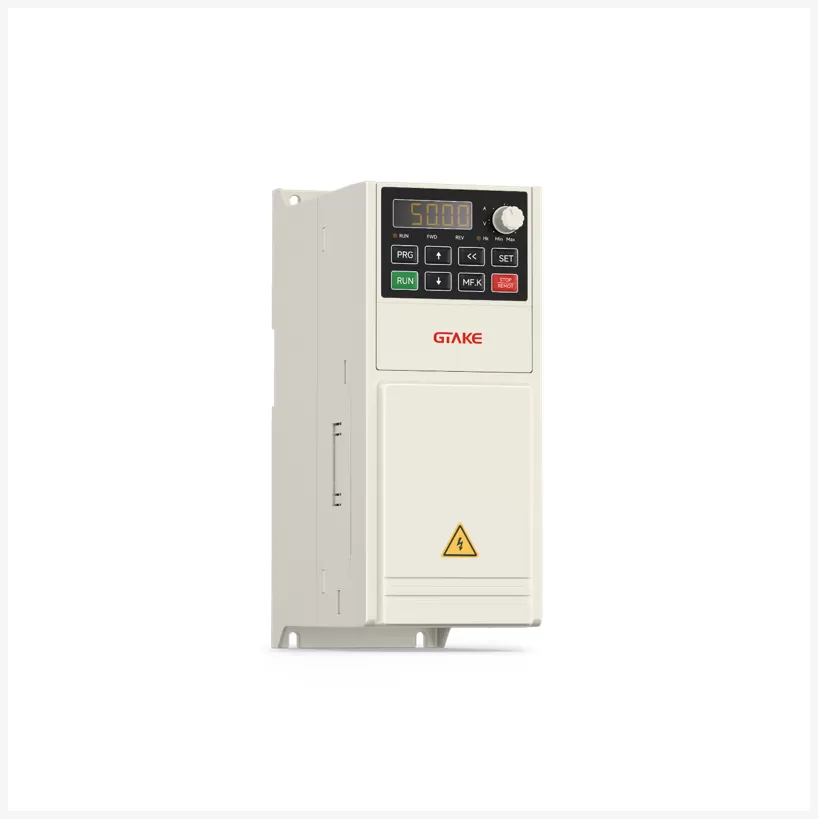
Static Friction: The Main Reason for High Starting Torque
Static friction represents the primary obstacle to conveyor startup. This physical phenomenon occurs because stationary surfaces create stronger friction bonds than moving surfaces. The static coefficient of friction between belt and rollers, between material and belt, and within bearing surfaces all contribute to startup resistance.
Each mechanical component in the conveyor system adds its own friction contribution. Drive rollers, idler rollers, return rollers, and tension systems all create friction points. Gearbox components, shaft bearings, and belt cleaners add additional resistance. In heavily loaded conveyors, the combined static friction from these components creates substantial startup torque requirements that exceed what standard motor starting methods can reliably deliver.
Inertia of the Belt and Material Load
Beyond friction, inertia presents another significant challenge for conveyor starting. The conveyor belt itself possesses considerable mass, particularly in long-distance applications. When material loads rest on the belt, the total mass requiring acceleration increases dramatically.
Physics dictates that accelerating this combined mass from zero speed to operating speed requires substantial torque input. Long conveyor systems face amplified challenges because belt length directly correlates with belt mass. Mining conveyors, cement plant systems, and port material handling installations often span hundreds of meters, creating inertia loads that demand high-torque drive solutions capable of smooth, controlled acceleration.
Why Across-the-Line Starting Cannot Solve the Problem
Traditional across-the-line starting methods fail to address conveyor starting requirements effectively. Direct online starting applies full voltage to the motor instantaneously, creating uncontrolled inrush current that can reach 600-800% of rated current. This electrical stress damages motor windings and stresses power distribution systems.
The mechanical impact proves equally problematic. Sudden torque application creates shock loads that propagate through the entire conveyor structure. Belt splices experience tearing forces, roller bearings suffer impact damage, and gearbox teeth endure damaging stress cycles. These mechanical shocks reduce equipment lifespan and increase maintenance costs significantly. Modern conveyor applications require more sophisticated starting methods that protect both electrical and mechanical components.
How VFDs Provide High Starting Torque at Low Speed
Variable frequency drives solve the starting torque challenge through precise control of motor voltage and frequency. Unlike fixed-frequency power supplies, VFDs adjust output frequency from zero hertz upward, allowing controlled acceleration from standstill. The critical advantage lies in the VFD’s ability to maintain optimal voltage-to-frequency ratio throughout the starting sequence.
At low frequencies, VFDs can deliver 150% or more of rated motor torque while controlling current within acceptable limits. This capability stems from the VFD’s power electronics, which synthesize precise voltage and frequency combinations that maximize torque production. Advanced vector control algorithms further enhance low-speed torque by independently controlling motor flux and torque-producing current components. High-performance AC drives designed for conveyor applications incorporate these control strategies to ensure reliable starting under heavy load conditions.
Soft Start with High Torque: The Key Advantage of VFDs
The combination of high torque and controlled acceleration distinguishes VFD-based conveyor drives from traditional starting methods. Soft starting eliminates mechanical shock while maintaining sufficient torque to overcome static friction and inertia. This balanced approach delivers multiple operational benefits.
Belt slippage during startup virtually disappears when proper torque control exists. Mechanical components experience gradual load application rather than sudden impacts, reducing wear and extending service life. Maintenance intervals lengthen because gearboxes, bearings, and belt splices no longer endure repetitive shock loading. The operational cost savings from reduced maintenance and extended component life often justify VFD investment within months of installation.
Why High-Torque VFDs Are Important for Heavy Conveyor Systems
Certain industrial sectors depend absolutely on high-torque VFD capabilities for conveyor operation. Mining operations transport bulk materials over long distances with heavy belt loading. Conveyor systems in these applications may carry hundreds of tons of material simultaneously, creating startup torque demands that only robust VFD systems can satisfy.
Cement manufacturing facilities face similar challenges. Raw material conveyors, clinker transport systems, and finished product handling all require reliable high-torque starting. Port and terminal operations move diverse bulk materials including grain, coal, and ore through extensive conveyor networks. These heavy-duty applications demonstrate why industrial facilities increasingly specify four quadrant drives and high-performance AC drives capable of delivering sustained high torque at low speeds.
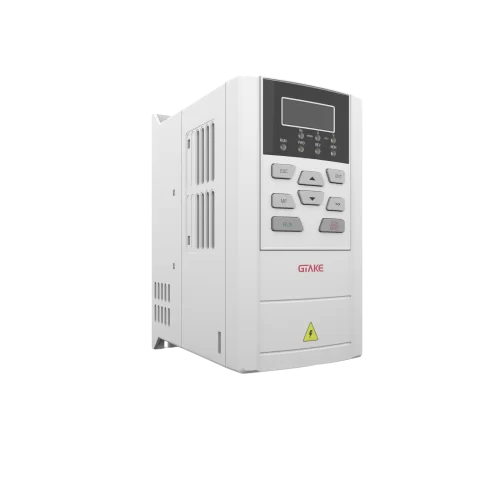
How to Choose a VFD for High-Torque Conveyor Applications
Selecting appropriate VFDs for conveyor applications requires careful analysis of starting torque requirements. Engineers must calculate the total static friction, material load mass, belt mass, and desired acceleration time. These factors determine the minimum torque capability needed at low speeds.
Key specification parameters include overload capacity at zero speed, continuous torque rating at low frequencies, and control algorithm sophistication. Vector control or field-oriented control provides superior low-speed torque compared to basic V/Hz control. Properly specified VFDs should deliver at least 150% torque at startup frequencies without exceeding thermal limits. Engineering teams should also consider protection features including motor thermal monitoring, belt slip detection, and overload protection to ensure long-term reliability.
Conclusion: High Starting Torque Is the Key to Reliable Conveyor Operation
High starting torque requirements in conveyor systems represent normal operating reality rather than exceptional circumstances. The combination of static friction and load inertia creates startup demands that exceed steady-state operation by significant margins. Variable frequency drives address these challenges by providing controlled high torque at low speeds while eliminating the mechanical and electrical stresses associated with traditional starting methods.
High-performance VFDs significantly improve conveyor system reliability, reduce maintenance costs, and extend equipment service life. These benefits apply across diverse industries from mining and cement to ports and manufacturing.
Ready to optimize your conveyor system performance? GTAKE specializes in AC drives and four quadrant drives engineered specifically for demanding industrial applications. Our motor control solutions deliver the high starting torque and precise control that heavy conveyor systems require. Contact GTAKE today to discuss your conveyor drive requirements with our technical team and discover how our proven drive technology can enhance your operation’s reliability and efficiency.