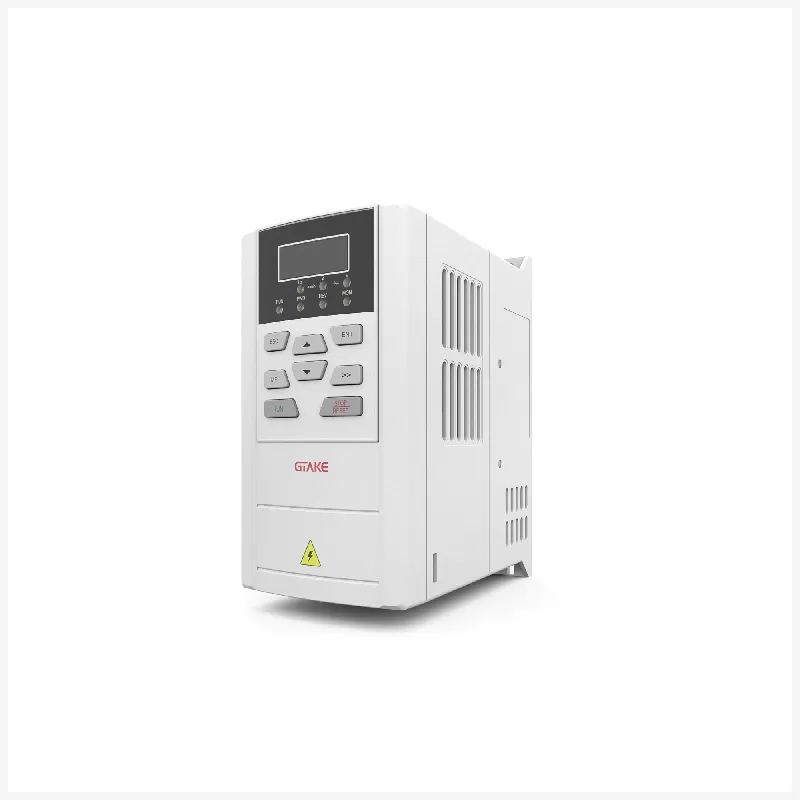
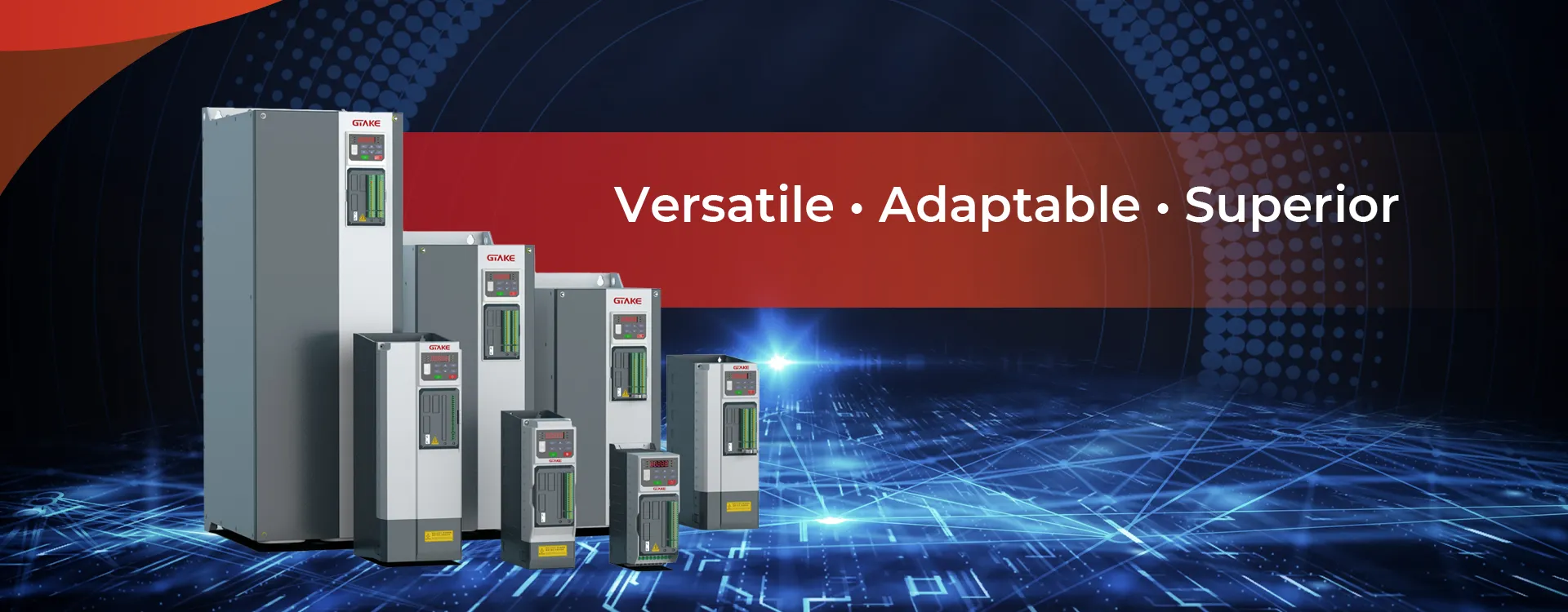
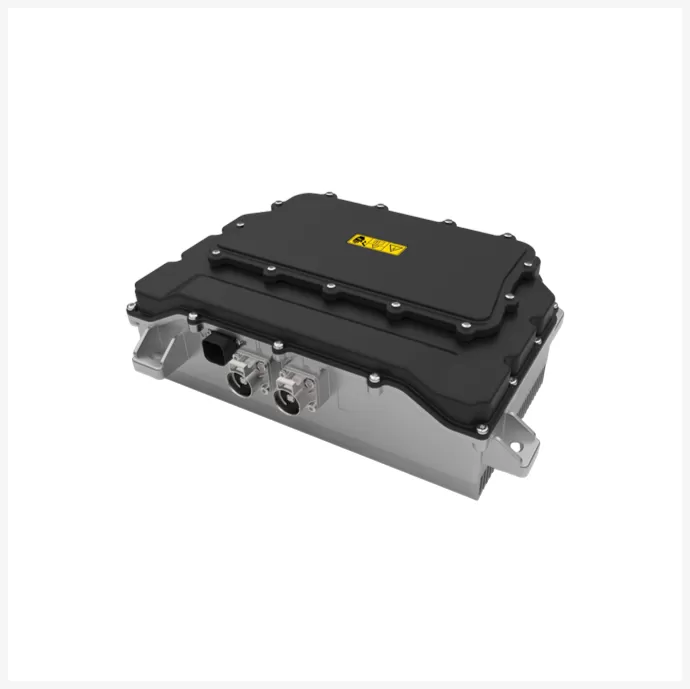
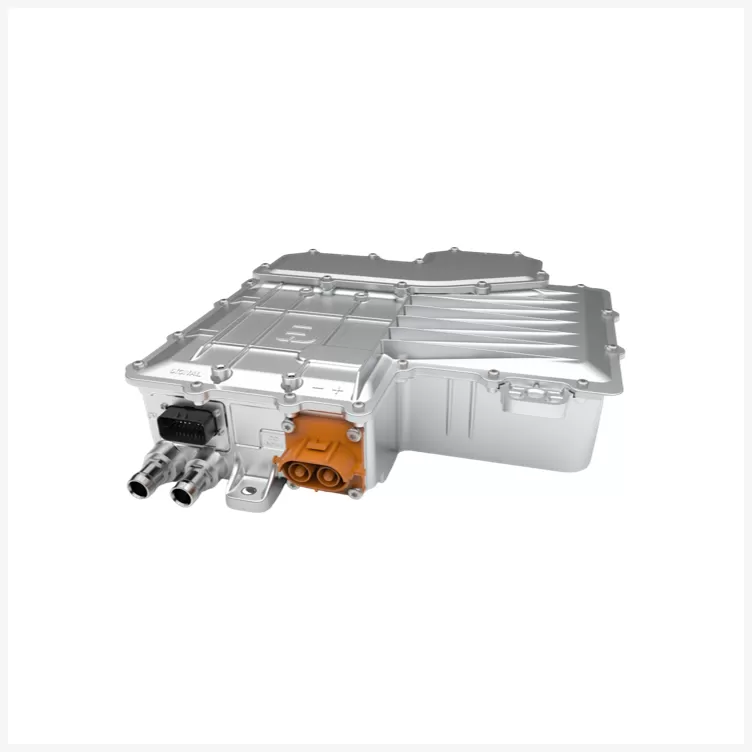
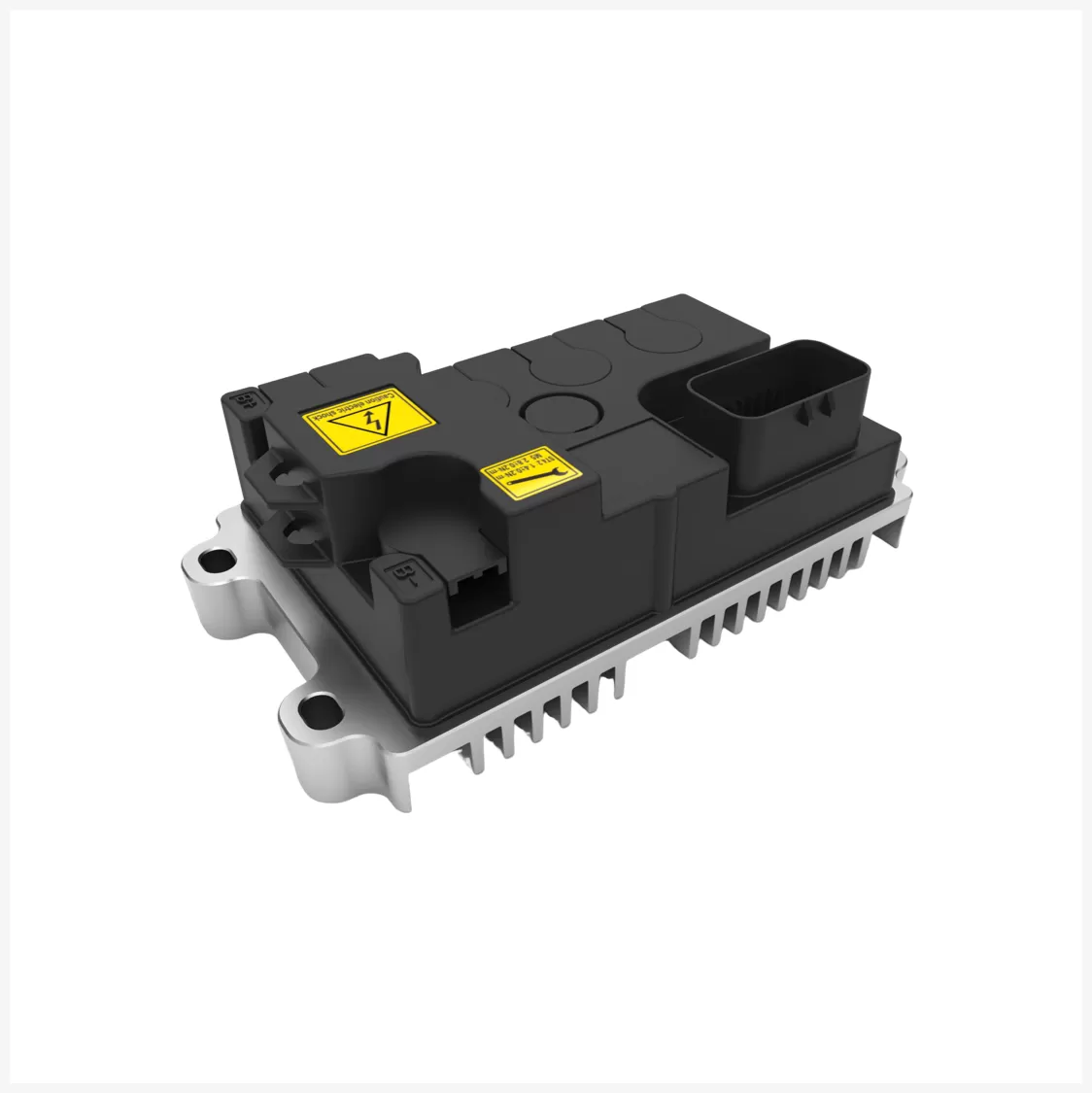
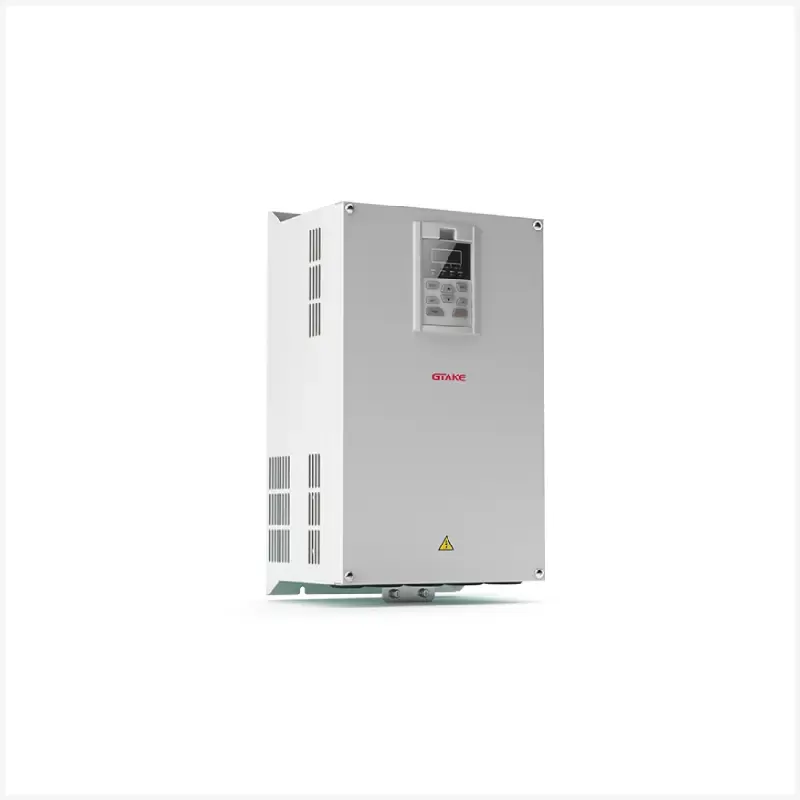
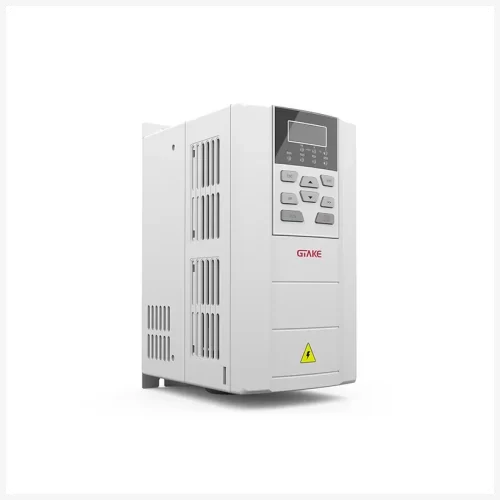
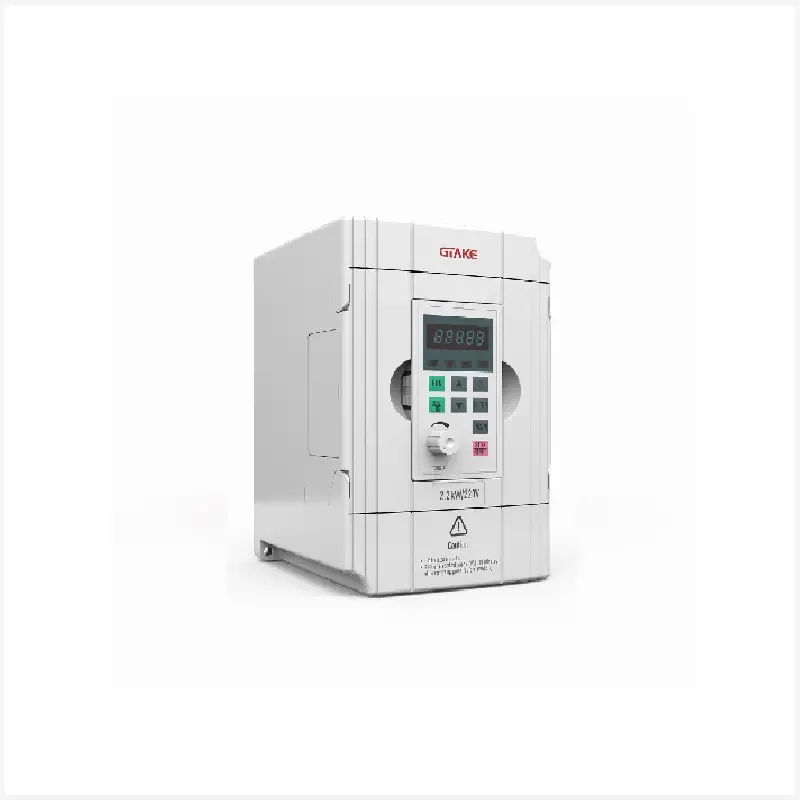
GTAKE specializes in designing and producing innovative AC drives (also known as variable frequency drives), electric vehicle motor controllers, bidirectional DC sources, and test rigs with advanced control algorithms and cutting-edge technology, delivering optimal performance and reliability for industrial automation and new energy applications.
Inverter for EV: The Heart of Electric Vehicle Power Conversion
The inverter for EV (Electric Vehicle) plays a crucial role in the overall functionality of an electric vehicle’s powertrain. As the primary component that converts direct current (DC) from the battery into alternating current (AC) to power the electric motor, the inverter for EV is essential in ensuring optimal performance, efficiency, and reliability.
In this article, we will explore the role of the inverter in an electric vehicle, how it works, the types of inverters used in EVs, and the importance of choosing the right inverter for the application.
What is an Inverter for EV?
An inverter for EV is an electrical device that converts the DC power stored in an electric vehicle’s battery pack into AC power to drive the electric motor. The electric motor in most EVs is powered by AC, making the inverter a critical component in the power conversion process.
The inverter not only provides power to the motor but also regulates the speed and torque of the motor based on driving conditions and driver input. Without the inverter, an EV would not be able to operate, as the battery alone cannot directly power the motor.
Key Functions of the Inverter in EVs
DC to AC Power Conversion:
The primary role of the inverter is to convert the DC voltage from the battery pack into AC voltage suitable for driving the motor. Most EVs use permanent magnet synchronous motors (PMSM) or induction motors, both of which require AC power.
Motor Speed Control:
The inverter controls the speed of the motor by adjusting the frequency of the AC power delivered to it. By modifying the frequency and amplitude of the output voltage, the inverter determines the rotational speed of the motor, allowing for smooth acceleration and deceleration.
Torque Control:
In addition to controlling speed, the inverter also manages torque by regulating the phase and amplitude of the AC voltage applied to the motor. This is critical for providing precise power delivery and improving vehicle performance.
Regenerative Braking:
Many EV inverters also support regenerative braking, a feature that allows the vehicle to recover energy during braking. The inverter converts the kinetic energy of the vehicle back into electrical energy, which is then stored in the battery, extending driving range and improving energy efficiency.
Power Efficiency:
Modern inverters are designed to operate with high efficiency, minimizing energy loss during the conversion process. This is particularly important for EVs, where efficiency directly impacts the driving range and overall performance of the vehicle.
Types of Inverters Used in Electric Vehicles
Voltage Source Inverters (VSI):
The most common type of inverter used in EVs is the Voltage Source Inverter (VSI), which provides a stable DC voltage and uses pulse-width modulation (PWM) to produce the AC waveform. VSIs are widely used in electric and hybrid vehicles due to their simplicity, reliability, and ability to control both the motor speed and torque efficiently.
Current Source Inverters (CSI):
In contrast to VSIs, Current Source Inverters (CSI) use a constant current source to supply power to the motor. While not as commonly used in EVs as VSIs, CSIs are used in certain applications that require precise control of motor current for specific motor types or performance characteristics.
Bidirectional Inverters:
Bidirectional inverters are gaining popularity in electric vehicles due to their ability to manage both power flow to the motor and regenerative energy back to the battery. These inverters enable the vehicle to function as an energy storage system and even provide power back to the grid in certain cases (vehicle-to-grid or V2G technology).
Multilevel Inverters:
Multilevel inverters are a more advanced type of inverter used in high-performance EVs. These inverters use multiple voltage levels to produce smoother and more efficient AC waveforms, reducing harmonic distortion and improving the overall performance of the vehicle.
How Does an EV Inverter Work?
Input DC Power:
The inverter receives DC power from the electric vehicle’s battery pack. The voltage from the battery is typically high (ranging from 300V to 800V in many EVs), and the inverter must handle this high voltage to effectively drive the motor.
DC-AC Conversion:
The inverter uses power electronics, such as insulated-gate bipolar transistors (IGBTs) or silicon carbide (SiC) MOSFETs, to switch the DC power on and off rapidly, creating a series of pulses that are then filtered to produce a clean AC waveform. This conversion process is controlled using advanced algorithms to optimize the efficiency and performance of the system.
Motor Control:
The inverter controls the output AC frequency and voltage, which determines the speed and torque of the motor. By adjusting these parameters, the inverter can accelerate the vehicle, maintain a constant speed, or decelerate it smoothly.
Regenerative Braking:
During braking, the inverter can reverse the power flow, converting the kinetic energy of the vehicle into electrical energy. This energy is fed back into the battery, improving energy efficiency and extending the driving range.
Communication with the Battery Management System (BMS):
The inverter works in conjunction with the Battery Management System (BMS) to monitor the battery’s state of charge, voltage, temperature, and other critical parameters. The BMS ensures that the inverter does not overload the battery or operate outside of its safe voltage range.
Importance of Choosing the Right Inverter for EVs
Efficiency and Range:
The efficiency of the inverter directly impacts the vehicle’s driving range. A highly efficient inverter minimizes energy loss during power conversion, ensuring that more of the battery’s stored energy is used to power the motor.
Power Output:
The inverter must be able to handle the required power output for the motor. This means that the inverter’s power rating should be matched to the motor’s power requirements. An undersized inverter may not be able to provide the necessary power, while an oversized inverter may lead to unnecessary costs and weight.
Size and Weight:
The size and weight of the inverter are important considerations, especially for electric vehicles where space is limited, and every additional kilogram impacts performance and efficiency. Modern inverters use advanced materials and designs to minimize both size and weight while maintaining high performance.
Cost:
While high-performance inverters offer many advantages, they can also increase the overall cost of the vehicle. Manufacturers must balance performance with cost considerations to ensure the EV remains competitive in the marketplace.
Durability and Reliability:
The inverter is a critical component of the EV’s powertrain, and it must operate reliably throughout the vehicle’s lifespan. EV inverters must be designed to withstand high temperatures, vibrations, and other stresses while maintaining consistent performance.
Conclusion
The inverter for EV is a fundamental component that ensures the efficient conversion of DC power from the battery into AC power to drive the electric motor. It plays a critical role in motor control, efficiency, regenerative braking, and overall performance of the vehicle. With advancements in inverter technology, including bidirectional inverters and multilevel inverters, modern EVs are becoming increasingly efficient, reliable, and cost-effective. Choosing the right inverter is key to maximizing the performance, range, and durability of an electric vehicle. As the electric vehicle industry continues to evolve, so too will the role and technology of inverters, contributing to the future of sustainable transportation.