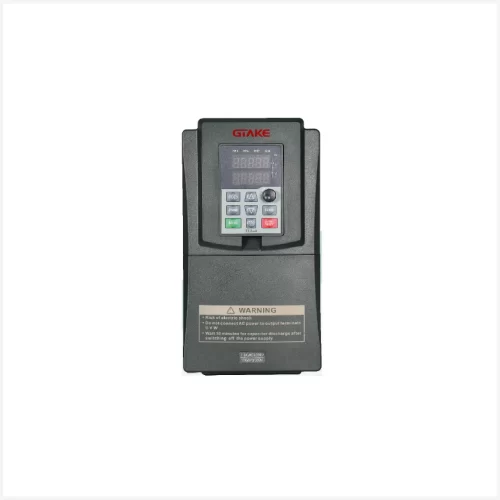
Four-Quadrant Drive: Understanding Its Functionality and Applications
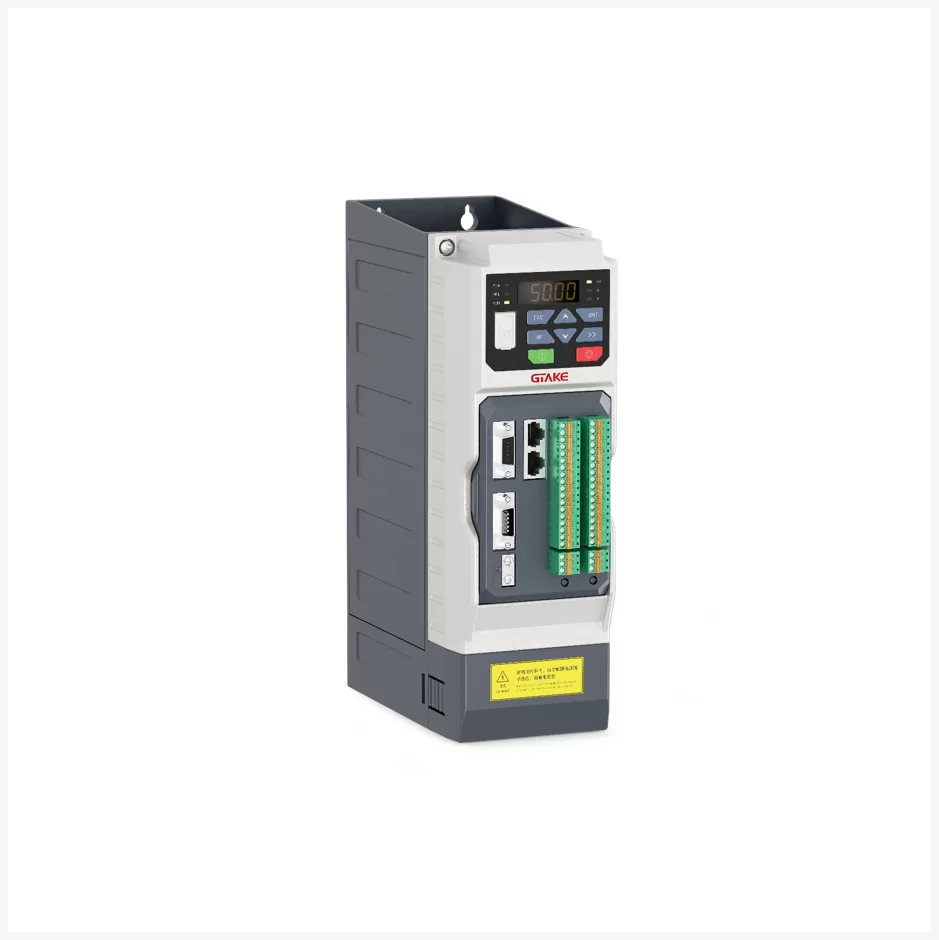
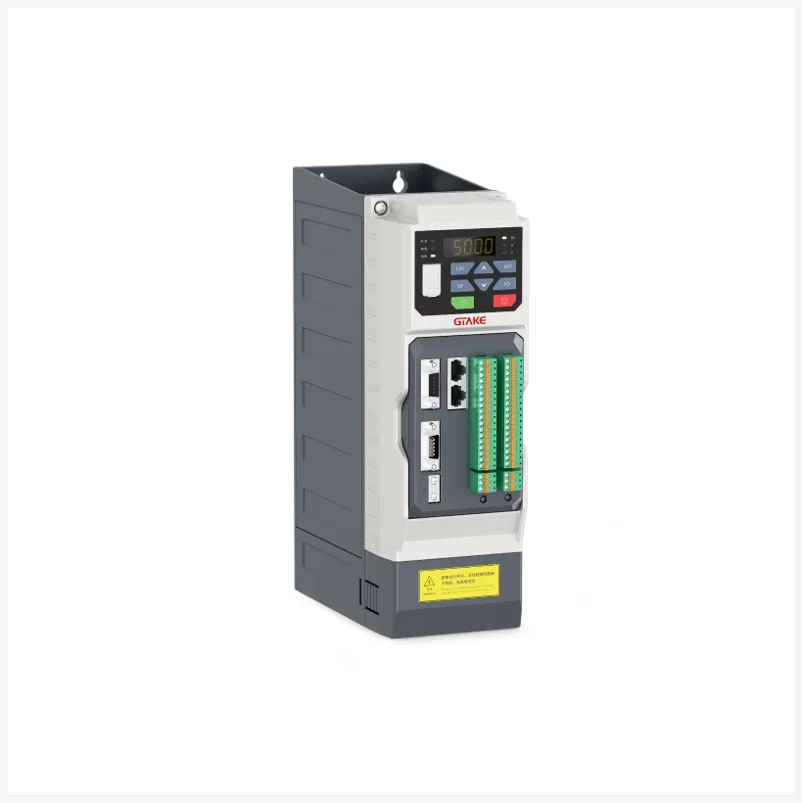
A four-quadrant drive is an advanced type of variable speed drive (VSD) that allows a motor to operate in all four quadrants of the speed-torque graph. Unlike conventional drives that allow operation only in one or two quadrants (e.g., forward or reverse), four-quadrant drives enable a wide range of motion control by allowing both positive and negative torque and speed operations. These drives are used in applications that require bi-directional control and the ability to both accelerate and decelerate the motor.
In this article, we will explore what a four-quadrant drive is, how it works, its key features, and the types of applications where it is used.
What is a Four-Quadrant Drive?
A four-quadrant drive refers to a motor control system capable of controlling both positive and negative values of torque and speed, allowing operation in all four quadrants of the motor’s torque-speed curve. The four quadrants correspond to different combinations of torque and speed:
- Quadrant I: Positive speed and positive torque (motoring, where the motor drives the load in the forward direction).
- Quadrant II: Negative speed and positive torque (regeneration, where the motor is running in reverse direction while converting kinetic energy into electrical energy).
- Quadrant III: Negative speed and negative torque (motoring, where the motor drives the load in reverse direction).
- Quadrant IV: Positive speed and negative torque (regeneration, where the motor operates in forward direction while converting kinetic energy into electrical energy).
The ability to operate in all four quadrants makes four-quadrant drives ideal for applications that require precise motion control and energy regeneration, especially in systems involving dynamic loads or frequent direction changes.
How Does a Four-Quadrant Drive Work?
A four-quadrant drive system typically includes the following key components:
- Motor: This is the device being controlled, often an AC motor (induction or synchronous) or a DC motor.
- Drive Controller: This unit regulates the motor speed and torque by controlling the voltage and current supplied to the motor.
- Inverter: The inverter converts the DC power back to AC power when required, providing the ability to control both the direction and speed of the motor.
- Regenerative Braking System: A four-quadrant drive system features regenerative braking, which allows the motor to feed back excess energy (during deceleration or braking) into the power supply system or battery. This is particularly useful for applications where frequent stops and starts are required, as it enhances energy efficiency.
The system operates by adjusting both the direction of rotation and speed of the motor. When the drive detects that the load is decelerating, it switches to regenerative mode (quadrants II and IV), converting the motor’s kinetic energy into electrical energy and feeding it back into the power supply. When accelerating or driving the load, the system operates in motoring mode (quadrants I and III), where energy is drawn from the supply to maintain or increase speed.
Key Features of Four-Quadrant Drives
- Bidirectional Motor Control
A key feature of four-quadrant drives is their ability to control the motor in both forward and reverse directions, allowing precise bidirectional motion control. This is critical in applications where the direction of motion needs to be changed frequently and smoothly.
- Regenerative Braking
Four-quadrant drives allow regenerative braking, where the motor acts as a generator during deceleration, converting kinetic energy into electrical energy. This energy is either returned to the grid, stored in batteries, or used to power other loads, reducing energy consumption and improving system efficiency.
- Energy Efficiency
With the ability to recover energy during braking and deceleration, four-quadrant drives provide significant energy savings compared to conventional systems that only consume power during operation. This makes them ideal for applications with high cyclical load demands or frequent starts and stops.
- Smooth Control
Four-quadrant drives offer smooth control over both speed and torque. The system can adjust motor behavior quickly and precisely, ensuring that acceleration and deceleration occur without jerk or sudden changes in speed, even in challenging load conditions.
- Dynamic Response
Four-quadrant drives offer superior dynamic response, enabling the motor to change direction and speed with minimal lag. This is especially important in applications that require high-speed switching and precise motor control.
Applications of Four-Quadrant Drives
- Elevators and Cranes
Four-quadrant drives are commonly used in elevator systems and cranes, where precise control over motor direction and speed is essential. These systems often require quick reversals of motor direction and regenerative braking during stops to minimize energy consumption.
- Electric Vehicles (EVs)
In electric vehicles, four-quadrant drives allow bidirectional control of the motor, enabling both forward driving and regenerative braking. This system is crucial for enhancing the overall energy efficiency of electric vehicles.
- Robotics
Four-quadrant drives are often employed in robotic applications that require dynamic motion control. The ability to rapidly change speed and direction without causing mechanical stress is essential in precision tasks, such as assembly, material handling, and pick-and-place operations.
- Industrial Automation
In industrial processes that require motors to frequently change direction, such as conveyors, hoists, or extruders, four-quadrant drives provide optimal speed and torque control. Regenerative braking helps reduce overall energy consumption in these high-demand environments.
- Wind Turbine Systems
Four-quadrant drives are used in wind turbine systems to regulate the rotation speed of the turbine blades, as well as to handle the energy generated during braking or when there is excess wind power. This allows for smooth operation and maximizes energy recovery.
- Pumps and Fans
For pumps and fans, particularly in HVAC systems or water treatment plants, four-quadrant drives provide energy-efficient control. These systems often experience dynamic load changes, and four-quadrant drives help manage varying conditions while recovering energy during braking phases.
Benefits of Four-Quadrant Drives
- Improved Energy Efficiency
The ability to regenerate energy during braking makes four-quadrant drives highly energy-efficient, reducing operational costs and minimizing the need for external power supply. This makes them ideal for applications with frequent load reversals or deceleration cycles.
- Enhanced Precision and Control
Four-quadrant drives offer precise control over both motor speed and torque, allowing for smooth operation and accurate motion control. This is particularly important in applications where precision is crucial, such as in robotics, conveyors, and material handling systems.
- Reduced Wear and Tear
By offering smoother starts, stops, and reversals, four-quadrant drives reduce mechanical stress on the motor and connected equipment. This leads to less wear and tear, extending the lifespan of components and reducing the frequency of maintenance.
- Flexibility
Four-quadrant drives can be used across a wide range of applications, from industrial automation to electric vehicles, providing the flexibility to meet the diverse needs of modern control systems.
Conclusion
Four-quadrant drives provide a high level of versatility in motor control, enabling smooth operation in both directions with the added benefit of energy regeneration. Their ability to precisely control speed and torque in all four quadrants of the motor’s operating curve makes them indispensable in dynamic applications requiring frequent changes in direction or speed.
Whether in elevators, industrial automation, electric vehicles, or wind turbines, four-quadrant drives offer significant energy savings, improved system performance, and enhanced operational control. Their capability to recover energy during braking makes them a sustainable solution, contributing to both cost savings and environmental benefits.