

A VFD overcurrent trip usually means the motor is drawing more current than the drive can safely handle. Common causes include a short acceleration time, excessive mechanical load, damaged motor cables, incorrect motor parameters, or an undersized drive. The key to finding the problem is to identify when the trip occurs and check the motor, wiring, load, and drive settings in a logical order.
What Does an Overcurrent Fault Mean in a VFD?
A Variable Frequency Drive (VFD) controls motor speed by adjusting the output frequency and voltage. During operation, the drive monitors output current and activates protection when the current exceeds its configured limit.
An overcurrent trip is a protective response, not proof of a faulty drive. The problem may come from the motor, connected equipment, wiring, or drive settings.
Overcurrent vs. Overload: What Is the Difference?
The two faults are related, but they do not mean the same thing.
| Fault Type | What Happens | Common Causes |
|---|---|---|
| Overcurrent | Current rises beyond the drive’s protection limit | Short circuit, sudden load increase, motor stall |
| Overload | Current remains high long enough to create excessive thermal stress | Continuous heavy load, mechanical friction, incorrect motor sizing |
An overcurrent fault often involves a rapid rise in current. An overload fault usually develops over a longer period.
The exact protection thresholds and fault definitions vary by drive model. Always refer to the manufacturer’s manual before adjusting protection settings.
7 Common Reasons Why Your VFD Keeps Tripping on Overcurrent
1. Acceleration Time Is Too Short
A motor needs enough torque to overcome inertia and reach its target speed. When the acceleration time is too short, the drive may demand more current than its protection limit allows.
The problem is more common with large fans, conveyors, centrifuges, and other equipment with high inertia.
What to do:
- Increase the acceleration time gradually.
- Check the load inertia and starting conditions.
- Monitor motor current during startup.
A longer acceleration ramp may solve the problem without changing any hardware.
2. The Motor or Mechanical Load Is Overloaded
A motor can draw excessive current when the driven equipment becomes harder to turn. A jammed conveyor, blocked pump, worn bearing, or misaligned coupling can all increase the torque required from the motor.
Start with the mechanical side rather than assuming the VFD is defective.
What to do:
- Check whether the motor shaft turns freely.
- Inspect bearings, belts, couplings, and gearboxes.
- Remove material blockages and other mechanical obstructions.
- Compare the actual load with the motor and drive ratings.
3. Motor Cable or Insulation Problems
Damaged cable insulation, loose terminals, and short circuits between output phases can cause a sudden current increase.
Motor winding deterioration can produce similar symptoms. A ground fault may trigger a separate protection code, depending on the drive.
What to do:
Inspect the motor cables, terminal connections, and winding condition. A qualified technician should test the isolated motor and cables with suitable electrical test equipment.
Never perform insulation resistance testing through a connected VFD.
4. Incorrect Motor Parameters or Drive Settings
A VFD needs accurate motor data to control the motor properly. Incorrect rated current, voltage, frequency, or control mode can lead to poor motor performance and unexpected trips.
Problems often appear after a motor replacement, drive replacement, or parameter reset.
What to do:
- Compare the programmed values with the motor nameplate.
- Confirm the selected control mode.
- Check torque boost and current limit settings.
- Perform motor autotuning when supported and appropriate.
Avoid increasing the current limit simply to stop the alarm. Doing so may remove an important layer of protection.
5. The VFD Is Undersized for the Application
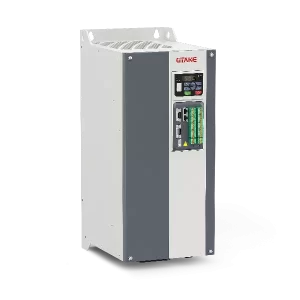
A drive with insufficient output current or overload capacity may trip even when the motor and wiring are in good condition.
Rated power alone does not tell the whole story. A conveyor starting under load, for example, may require more starting torque than a fan with a similar motor rating.
What to do:
Compare the VFD’s rated output current with the motor’s rated current. Also consider the application duty, overload requirements, ambient temperature, and installation conditions.
6. Sudden Changes in Mechanical Load
Some equipment runs normally until the load changes. A conveyor may receive too much material, a pump may encounter a blockage, or a machine may develop additional mechanical resistance.
The motor then needs more torque, causing current to rise.
What to do:
Look for changes in the production process and inspect the driven equipment. Compare motor current under normal and abnormal operating conditions to identify when the load increases.
7. Internal VFD Hardware Problems
Internal faults are possible, especially when overcurrent trips continue after external causes have been ruled out.
Power components, current sensing circuits, and other internal parts may deteriorate over time.
What to do:
Review the fault history and follow the manufacturer’s diagnostic procedure. Have qualified service personnel inspect the drive when internal damage is suspected.
How to Troubleshoot a VFD Overcurrent Trip
Finding the cause is easier when you follow the same inspection order each time. Start with the fault information, then move from the mechanical equipment to the electrical system and drive settings.
- Record the fault code. Note when the alarm appears, whether the motor is starting or running, and whether the problem happens under a particular load.
- Inspect the mechanical equipment. Look for blocked shafts, damaged bearings, misalignment, and excessive friction.
- Check motor cables and connections. Look for damaged insulation, loose terminals, and wiring faults.
- Verify motor parameters. Compare the drive settings with the motor nameplate and confirm the selected control mode.
- Monitor output current. Observe current during startup, acceleration, and steady operation. The moment when current rises can help narrow down the cause.
Repeatedly resetting the drive without investigating the fault will not solve the underlying problem. Electrical testing and repairs should only be performed by qualified personnel after following the proper isolation and DC bus discharge procedures.
When Does a VFD Usually Trip on Overcurrent?
The timing of a trip can narrow down the possible causes. Use the following table as an initial guide rather than a final diagnosis.
| When the Trip Occurs | Possible Cause | First Thing to Check |
|---|---|---|
| Immediately at startup | Motor or cable short circuit, locked motor | Motor wiring and mechanical condition |
| During acceleration | Short acceleration time, high starting torque | Acceleration settings and load |
| At constant speed | Sudden load increase, mechanical friction | Driven equipment |
| During deceleration | Excessive stopping demand or braking related issues | Fault code and braking settings |
A fault during deceleration deserves extra attention. An abrupt stopping command may cause an overcurrent or overvoltage condition, depending on the application and drive. Confirm the actual alarm before changing the deceleration time or braking parameters.
Special Considerations for Elevator VFD Overcurrent Faults
Elevator drives operate under different conditions from ordinary pump and fan applications. Motor torque, car load, counterweight balance, and brake control all affect starting and running performance.
When an elevator VFD trips on overcurrent, technicians should pay particular attention to three areas.
Mechanical brake operation: Check whether the brake releases correctly before the motor starts producing the required torque. Incorrect brake timing can create additional starting resistance.
Elevator load and counterweight: Check for unusual load conditions and mechanical resistance. A significant difference between travel directions may provide a useful diagnostic clue.
Motor and drive parameters: Confirm the motor data, control mode, and acceleration settings. The drive must also work correctly with the elevator control unit and brake circuit.
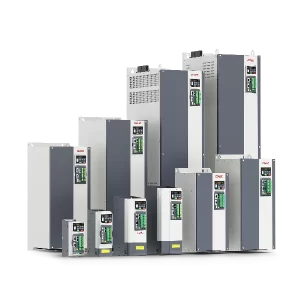
Elevator inspection and adjustments must follow the elevator manufacturer’s procedures and applicable safety requirements. For more information about dedicated elevator motor control, see GTAKE’s GK620E variable frequency drive elevator solution and elevator applications.
How to Prevent Repeated VFD Overcurrent Trips
Once the immediate problem is fixed, a few routine checks can help prevent the same fault from returning.
- Select the right drive: Match rated output current, overload capacity, motor requirements, and application duty.
- Set appropriate acceleration and deceleration times: Avoid unnecessarily aggressive speed changes, especially with high inertia equipment.
- Maintain the motor and mechanical system: Check bearings, couplings, cable insulation, and electrical connections regularly.
- Keep an eye on operating current: Record unusual current changes and review drive fault history during maintenance.
- Use a suitable control method: Applications with demanding starting torque or low speed requirements may benefit from vector control.
For example, the GTAKE GK310 AC drive uses open loop vector control and provides 150% starting torque at 0.25 Hz. The specification makes the model worth evaluating for applications that need strong starting torque, although final selection still depends on motor and load requirements.
Final Thoughts
Repeated VFD overcurrent trips usually have an identifiable cause. Short acceleration times, mechanical resistance, cable faults, incorrect motor data, and insufficient drive capacity are all worth checking before replacing the drive.
Pay attention to when the fault occurs and work through the motor, wiring, load, and parameter settings systematically. Correct drive selection and routine maintenance can also reduce unexpected downtime.
For more information about GTAKE as an AC drive manufacturer, Contact GTAKE for product and application support.
Frequently Asked Questions
Why does my VFD trip on overcurrent immediately after startup?
A short circuit, locked motor, incorrect motor parameters, or excessive starting torque may cause an immediate trip. Check the fault code, motor wiring, mechanical load, and motor nameplate settings.
Why does my VFD trip on overcurrent during acceleration?
The acceleration time may be too short for the connected load. Increase the ramp time gradually and monitor output current to see whether the motor accelerates normally.
Can an undersized VFD cause overcurrent trips?
Yes. A drive with insufficient rated output current or overload capacity may trip when the motor starts under load or encounters increased torque demand. Check the motor current and application duty before selecting a replacement.
Should I replace my VFD after an overcurrent fault?
Not immediately. Check the motor, cables, mechanical load, and parameter settings first. Consider replacing or repairing the drive only after confirming an internal fault or a capacity mismatch.