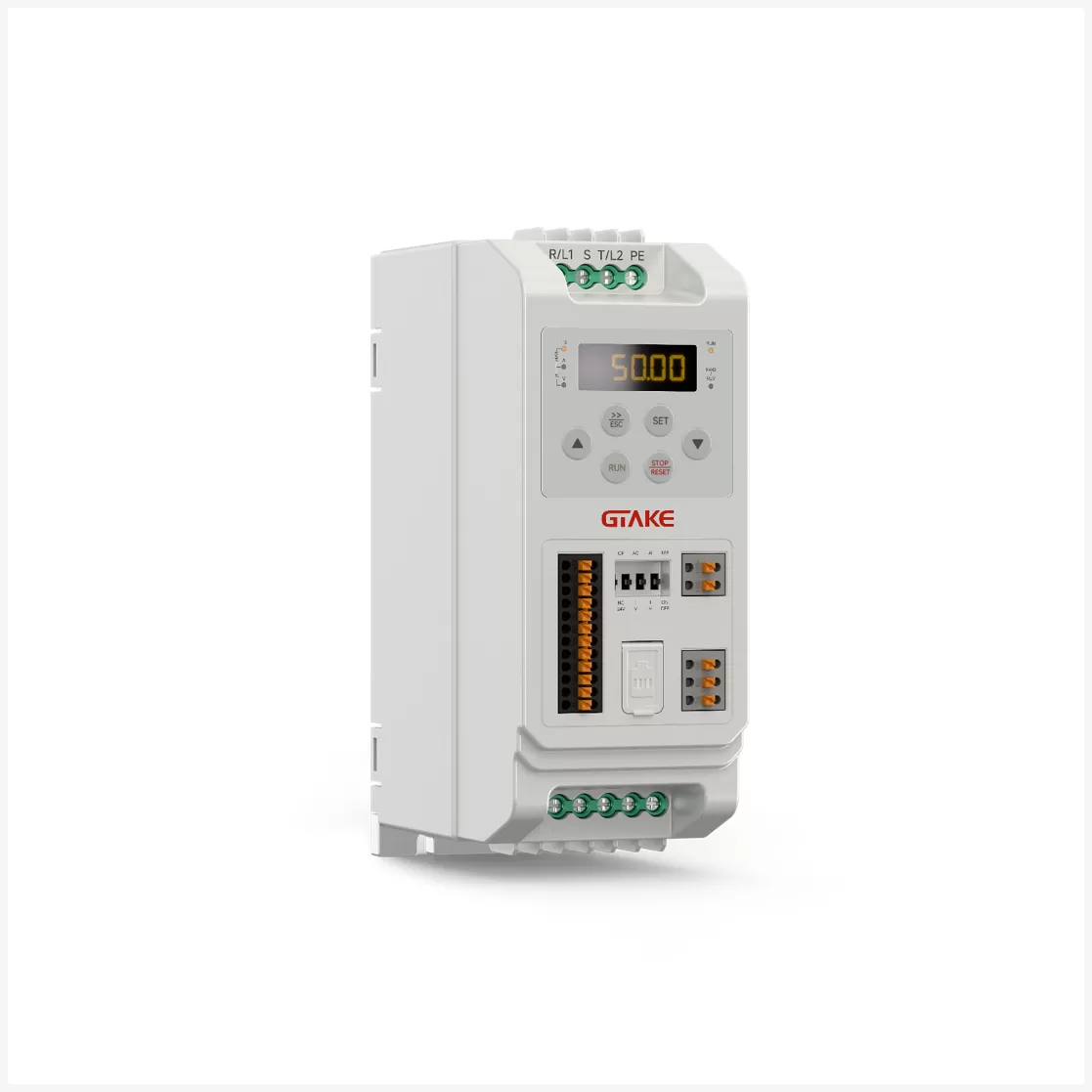
VSD (Variable Speed Drive): The Key to Efficient Motor Control
A Variable Speed Drive (VSD) is an essential component in modern industrial and commercial applications, providing efficient motor control by adjusting the speed and torque of an electric motor. By regulating the frequency and voltage supplied to the motor, VSDs enhance energy efficiency, performance, and operational flexibility in various industries.
In this article, we’ll explore what VSDs are, how they work, the types available, and their benefits for different applications.
What is a Variable Speed Drive (VSD)?
A Variable Speed Drive (VSD) is a type of motor controller that varies the speed of an electric motor. By adjusting the frequency (Hz) and voltage of the electricity supplied to the motor, VSDs control its rotational speed, enabling precise operation. The speed can be changed smoothly, allowing the motor to operate at its optimal efficiency based on the requirements of the application.
VSDs are typically used with AC motors, DC motors, and permanent magnet motors. The ability to change the motor’s speed in response to load variations, energy demand, or operational needs makes VSDs a vital tool in improving operational efficiency and reducing energy consumption.
How Does a Variable Speed Drive Work?
A VSD works by adjusting the power supplied to the motor, which is typically done in three main stages:
- Rectification:
- The VSD first converts the AC input power to DC using a rectifier. This is necessary because motors are typically driven by AC power, but variable speed control requires the voltage to be converted to DC for easier modulation.
- DC Link:
- The DC link stores the rectified DC power in a smooth and stable form. Capacitors in this section stabilize the voltage, ensuring that the DC link is free from any ripple or fluctuation.
- Inversion:
- The DC voltage is then converted back to AC through an inverter using switching devices (typically IGBTs – Insulated Gate Bipolar Transistors) to create a variable frequency output. By adjusting the frequency and voltage, the inverter controls the speed of the motor, offering precise control over acceleration, deceleration, and overall motor performance.
The VSD continuously monitors and adjusts the voltage and frequency based on feedback from the motor or control system, optimizing the motor’s operation.
Types of Variable Speed Drives (VSDs)
- AC Variable Speed Drives:
- These are the most common type of VSD and are used with AC motors. AC VSDs vary the frequency of the AC input signal, which directly controls the speed of the motor. They are commonly found in HVAC systems, conveyor belts, and pumps.
- Inverter Duty Motors are often paired with AC VSDs for applications requiring continuous operation at variable speeds.
- DC Drives (DC VSDs):
- These drives are used with DC motors and vary the voltage supplied to the motor. Unlike AC VSDs, DC VSDs are typically simpler in design and provide excellent speed control in applications such as electric vehicles, winches, or hoists.
- They are particularly advantageous when high torque at low speeds is needed.
- Brushless DC (BLDC) Motor Drives:
- These are used with brushless DC motors, where electronic commutation is used instead of brushes. VSDs for BLDC motors offer higher efficiency and longer operational life due to the absence of mechanical brushes.
- Permanent Magnet Synchronous Motor (PMSM) Drives:
- VSDs designed for PMSMs are used in high-performance applications such as electric vehicles (EVs), robotics, and precision machinery. PMSM drives are highly efficient and deliver excellent performance at both low and high speeds.
Benefits of Variable Speed Drives (VSDs)
- Energy Savings:
- The primary benefit of using a VSD is energy efficiency. VSDs allow motors to operate at optimal speeds based on actual load requirements, reducing unnecessary energy consumption. For example, when a pump or fan does not require full capacity, the VSD can reduce the motor’s speed, leading to significant energy savings.
- Reduced Wear and Tear:
- VSDs allow for smooth acceleration and deceleration, reducing mechanical stress on motors and associated components. This results in less wear and tear, longer equipment life, and reduced maintenance costs.
- Improved Process Control:
- VSDs provide precise control over motor speed, which is essential for processes that require consistent and accurate speed adjustments. This makes VSDs ideal for applications in automation, conveyor systems, and mixing equipment where maintaining a specific speed or torque is critical.
- Reduced Operating Costs:
- By improving efficiency, reducing energy consumption, and decreasing maintenance needs, VSDs help reduce operating costs. This is especially beneficial in industries where motors run for extended periods, such as in pumping stations, HVAC systems, and manufacturing plants.
- Noise Reduction:
- Motors controlled by VSDs typically generate less noise compared to those running at full speed. This is particularly beneficial in environments where noise levels need to be controlled, such as in commercial buildings or residential areas.
- Regeneration:
- Many VSDs support regenerative braking, a feature that allows energy to be fed back into the system during deceleration or braking. This is especially useful in applications like elevators or cranes, where the drive can recover energy and return it to the grid or store it for later use.
Applications of Variable Speed Drives
- HVAC Systems:
- VSDs are commonly used in heating, ventilation, and air conditioning (HVAC) systems to control the speed of fans, pumps, and compressors. By adjusting motor speed based on load demand, VSDs improve energy efficiency and comfort levels in buildings.
- Water Treatment:
- In water treatment plants, VSDs control the speed of pumps and mixers, ensuring that water is treated at the correct rate while reducing energy consumption. The ability to control pump speed according to the varying water levels or flow rates helps optimize energy use.
- Industrial Manufacturing:
- VSDs are widely used in manufacturing plants for controlling motors in conveyor belts, mixers, and machines that require variable speed. They ensure precise control over production processes and reduce power consumption.
- Pumps and Fans:
- VSDs are ideal for controlling pumps and fans in applications where the load varies over time. By adjusting motor speed, VSDs can reduce energy use, prevent overloading, and maintain optimal performance.
- Electric Vehicles (EVs):
- In electric vehicles, VSDs control the speed and torque of the electric motor, providing smooth acceleration and deceleration. They are integral in delivering efficient power to the vehicle’s drivetrain and ensuring an optimized driving experience.
Conclusion
A Variable Speed Drive (VSD) is an indispensable technology in modern industrial, commercial, and transportation applications. By controlling the speed and torque of motors, VSDs offer significant benefits in terms of energy savings, process control, and cost reduction. Whether you’re controlling HVAC systems, water pumps, or electric vehicles, the ability to adjust motor speed according to load demands improves efficiency and enhances performance.
Incorporating VSD technology into your operations not only contributes to sustainability goals by lowering energy consumption but also extends the lifespan of equipment and reduces maintenance needs. As industries continue to embrace automation and strive for greater efficiency, VSDs will remain at the heart of motor control systems.