Low Frequency Inverter: An Overview
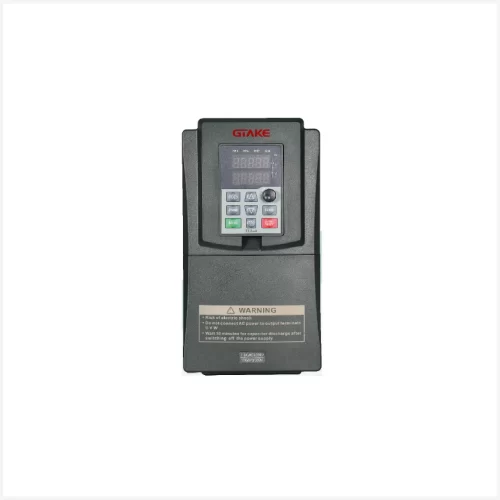
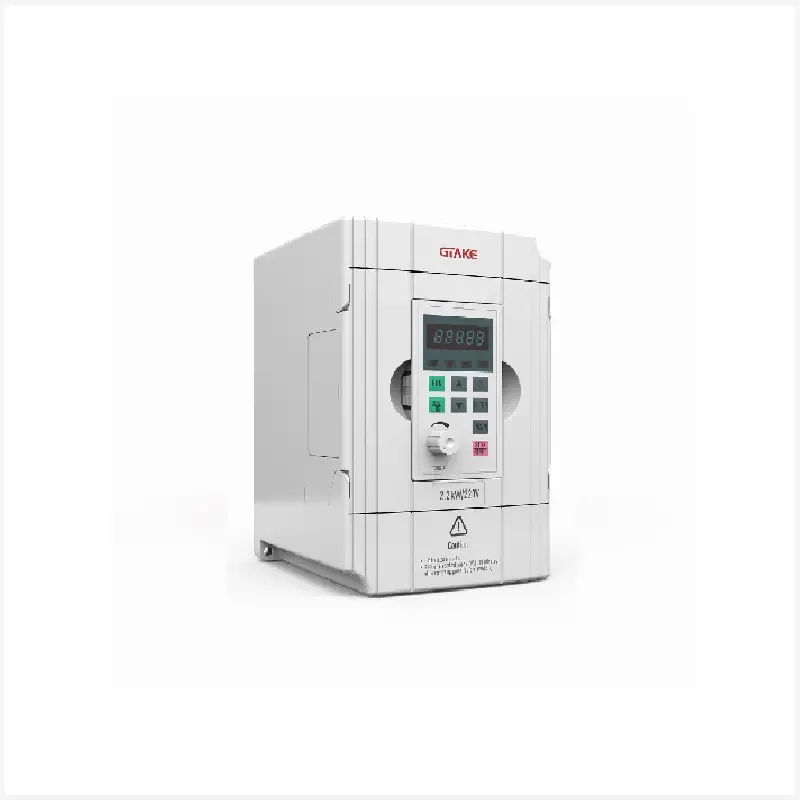
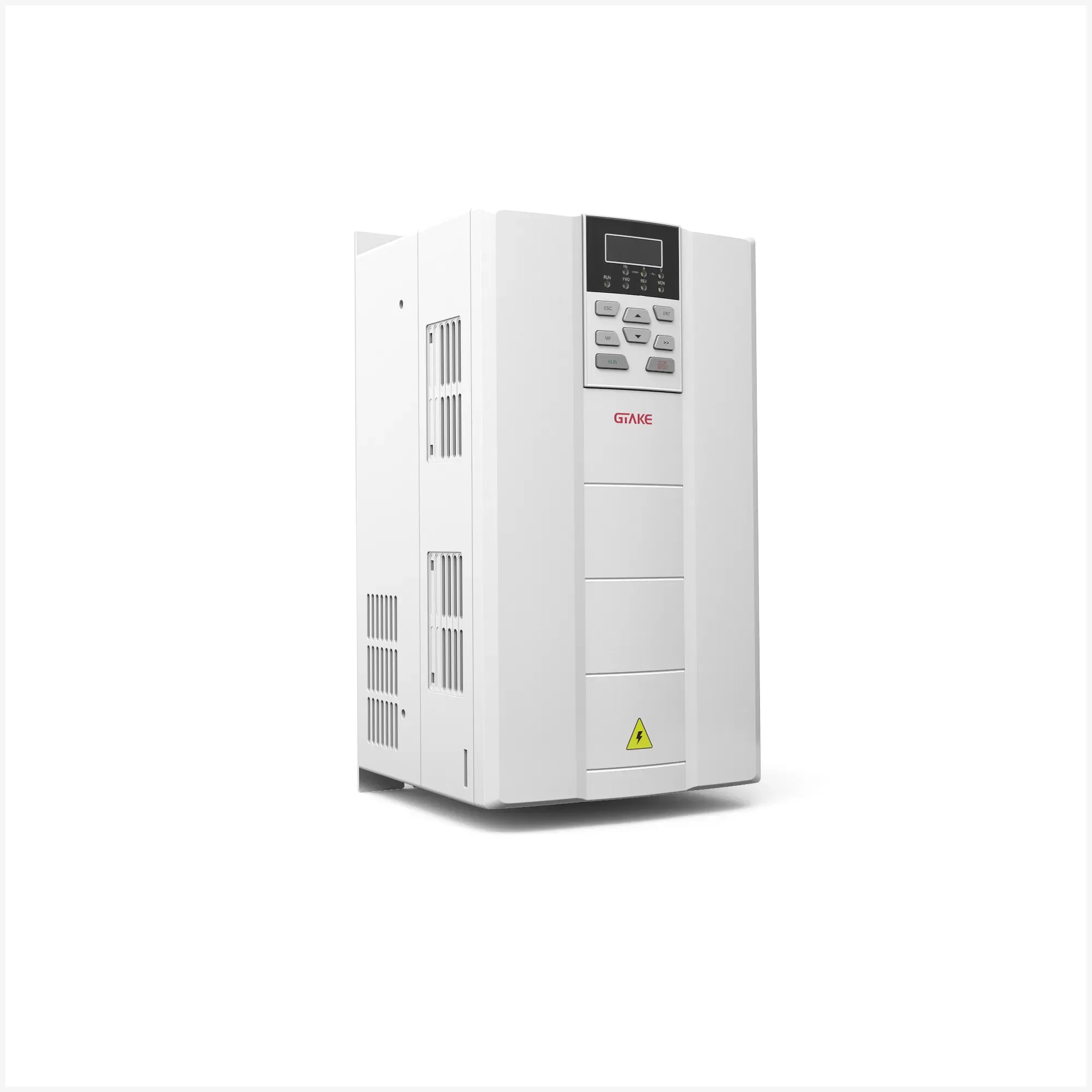
A Low Frequency Inverter is an electrical device designed to convert DC (Direct Current) power into AC (Alternating Current) at low frequencies, typically below 50 Hz or 60 Hz. These inverters are commonly used in applications where a lower frequency of operation is required, such as specialized industrial equipment, low-speed motors, and specific power supply systems. Unlike standard inverters that operate at standard grid frequencies (50 Hz or 60 Hz), low-frequency inverters are designed to function effectively at much lower frequencies.
In this article, we will discuss the working principles, benefits, applications, and various considerations of low frequency inverters.
What is a Low Frequency Inverter?
A Low Frequency Inverter is designed to take a DC input, such as from a battery, solar panel, or fuel cell, and convert it into an AC output with a frequency lower than the standard power grid frequency of 50 Hz or 60 Hz. The typical frequency range for a low-frequency inverter can be from 5 Hz to 50 Hz, depending on the specific design and application.
These inverters are often used in niche industrial and commercial applications where the power requirements are different from standard grid systems. Unlike high-frequency inverters, which are typically used in systems like residential solar power systems and high-power appliances, low-frequency inverters serve applications where specific, low-speed AC motors or systems need to be driven.
How Does a Low Frequency Inverter Work?
The working principle of a low-frequency inverter is similar to that of a standard inverter but with a focus on producing a low-frequency AC output. Here’s a breakdown of the process:
- DC Input:
- The inverter first receives a DC input, which could come from various sources such as solar panels, wind turbines, batteries, or fuel cells.
- Inverter Circuit:
- The DC input is passed into the inverter’s internal circuit, which typically includes power semiconductor devices like MOSFETs, IGBTs, or thyristors.
- These semiconductor devices are used to switch the DC input on and off rapidly to create a pulsating DC signal.
- Filtering and Conversion:
- The pulsating DC signal is then converted into a smooth AC waveform using specialized filtering and smoothing techniques, typically involving capacitors and inductors.
- The key difference in low-frequency inverters is the conversion process is optimized for outputting AC at low frequencies (usually less than 50 Hz) suitable for specialized applications.
- Output Control:
- The inverter controls the output frequency using pulse width modulation (PWM) or other modulation techniques. These techniques control the switching of the power devices to ensure that the output signal has the desired characteristics (e.g., low frequency, low harmonic distortion).
Applications of Low Frequency Inverters
Low frequency inverters are not as widely used as standard inverters because they serve niche markets. However, they are essential in several specialized applications:
- Low-Speed Motors:
- Low frequency inverters are used to drive low-speed AC motors. These motors are typically found in specialized equipment like fans, pumps, compressors, and other industrial machines where low-speed operation is required.
- Industrial Equipment:
- Certain industrial machinery and equipment require low-frequency operation for optimal performance. For example, some high-torque motors used in mining, steel manufacturing, and heavy-duty machinery may require low-frequency inverters.
- HVAC Systems:
- Low frequency inverters can be used in HVAC systems where low-frequency control is necessary for fans, blowers, or other equipment that operates at slow speeds to achieve specific airflow patterns.
- Renewable Energy Systems:
- In solar or wind energy systems, low-frequency inverters are sometimes used to convert DC power generated from solar panels or wind turbines into AC power at lower frequencies suitable for specific applications, such as battery charging or off-grid systems.
- Battery Power Systems:
- Low-frequency inverters are often used in battery-powered systems, especially where the load requires low-frequency AC power. For example, off-grid homes or remote installations may use low-frequency inverters to convert battery DC into AC for use in basic appliances or small motors.
- Marine Applications:
- In the marine industry, where low-frequency AC motors and systems are commonly used for winches, pumps, and other critical systems, low-frequency inverters help ensure reliable power conversion.
- Military and Aerospace:
- Low frequency inverters can also be found in military and aerospace applications, where low-frequency AC power is necessary for specialized equipment such as radar systems or satellite communications.
Benefits of Low Frequency Inverters
- Energy Efficiency:
- Low frequency inverters often operate with lower energy losses because they are optimized to handle specific low-frequency loads without the inefficiencies that can arise in standard high-frequency inverters.
- Reduced Harmonics:
- Low-frequency inverters can produce cleaner AC waveforms with fewer harmonics, making them suitable for systems sensitive to electrical noise, such as motor control systems in industrial applications.
- Reduced Wear on Equipment:
- Since low-frequency inverters are designed for specific, low-speed applications, they ensure that the connected equipment, such as motors or compressors, operate efficiently without excessive strain. This can help reduce mechanical wear and extend the lifespan of equipment.
- Cost-Effective for Specialized Applications:
- For industries or systems that require low-frequency operation, these inverters can provide a cost-effective solution by optimizing both the power supply and control for the application.
- Customization for Specific Use Cases:
- Low-frequency inverters are often customizable for particular applications, providing tailored solutions for unique industrial or renewable energy projects.
Considerations When Choosing a Low Frequency Inverter
- Frequency Requirements:
- It is essential to match the inverter with the exact frequency requirements of the application. Low-frequency inverters typically operate at frequencies below 50 Hz or 60 Hz, so understanding the specific needs of the system is crucial.
- Power Rating:
- Low-frequency inverters come in a range of power ratings, so selecting an inverter with the appropriate power capacity is necessary to ensure efficient operation and avoid under- or over-sizing.
- Efficiency and Performance:
- Like all inverters, low-frequency models should be selected based on their efficiency and performance characteristics, including harmonic distortion, load capacity, and cooling requirements.
- Application-Specific Features:
- Depending on the application, the inverter may need to offer features such as low-voltage protection, overload protection, thermal management, and the ability to work in harsh environments.
- Compliance with Standards:
- Ensure that the low-frequency inverter complies with relevant industry standards and regulations for safety and performance, such as IEC (International Electrotechnical Commission) or UL (Underwriters Laboratories).
Conclusion
Low frequency inverters serve specialized roles in controlling low-speed AC motors, renewable energy systems, industrial equipment, and more. By converting DC power to AC power at frequencies lower than the standard grid frequency, these inverters provide an efficient and reliable power solution for applications that demand precise control over motor speed or specific operational requirements.
While not as commonly used as standard inverters, low-frequency inverters are essential in sectors like renewable energy, heavy industry, marine applications, and battery power systems. They offer significant benefits in terms of energy efficiency, equipment longevity, and reduced electrical interference, making them a valuable tool in specialized power conversion tasks.