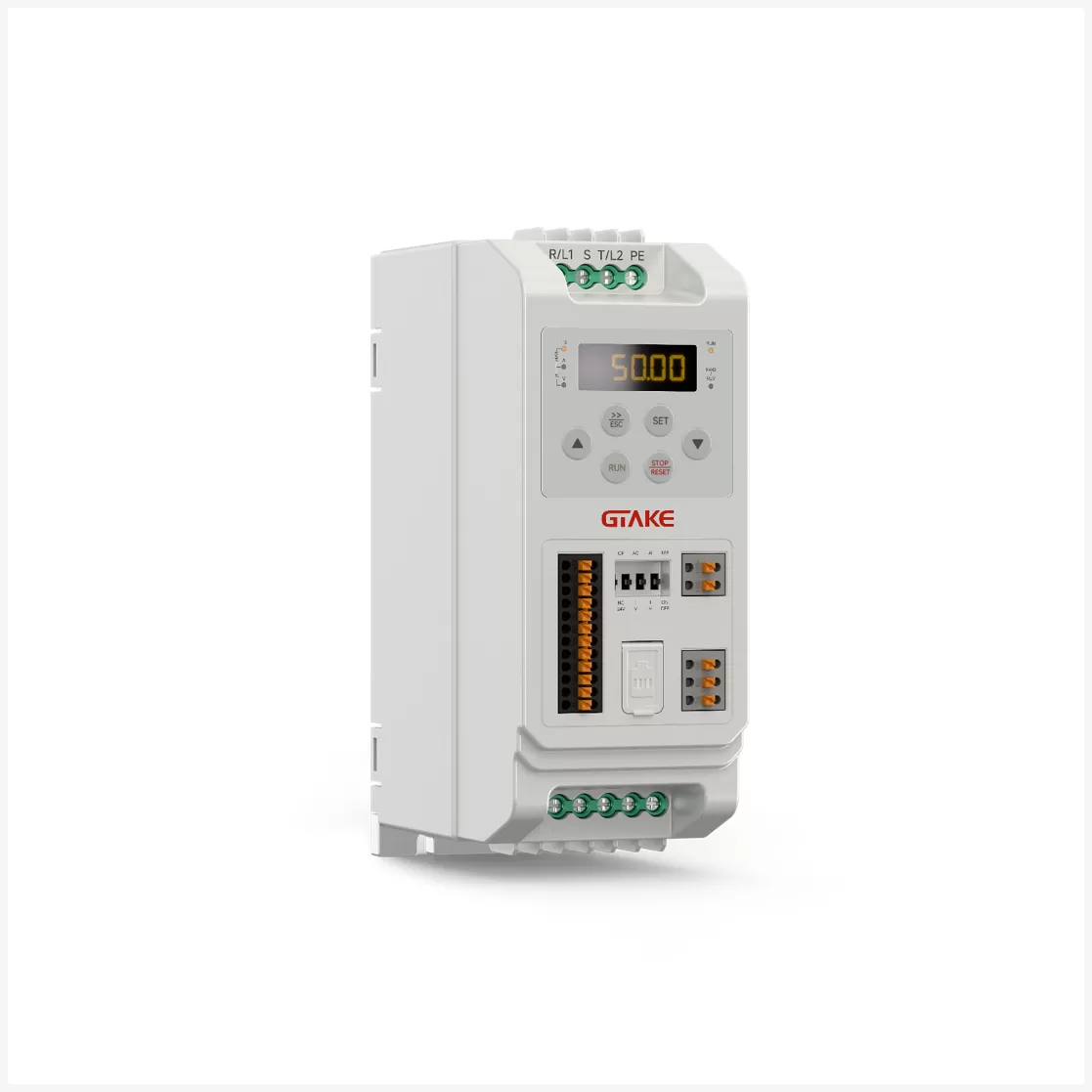
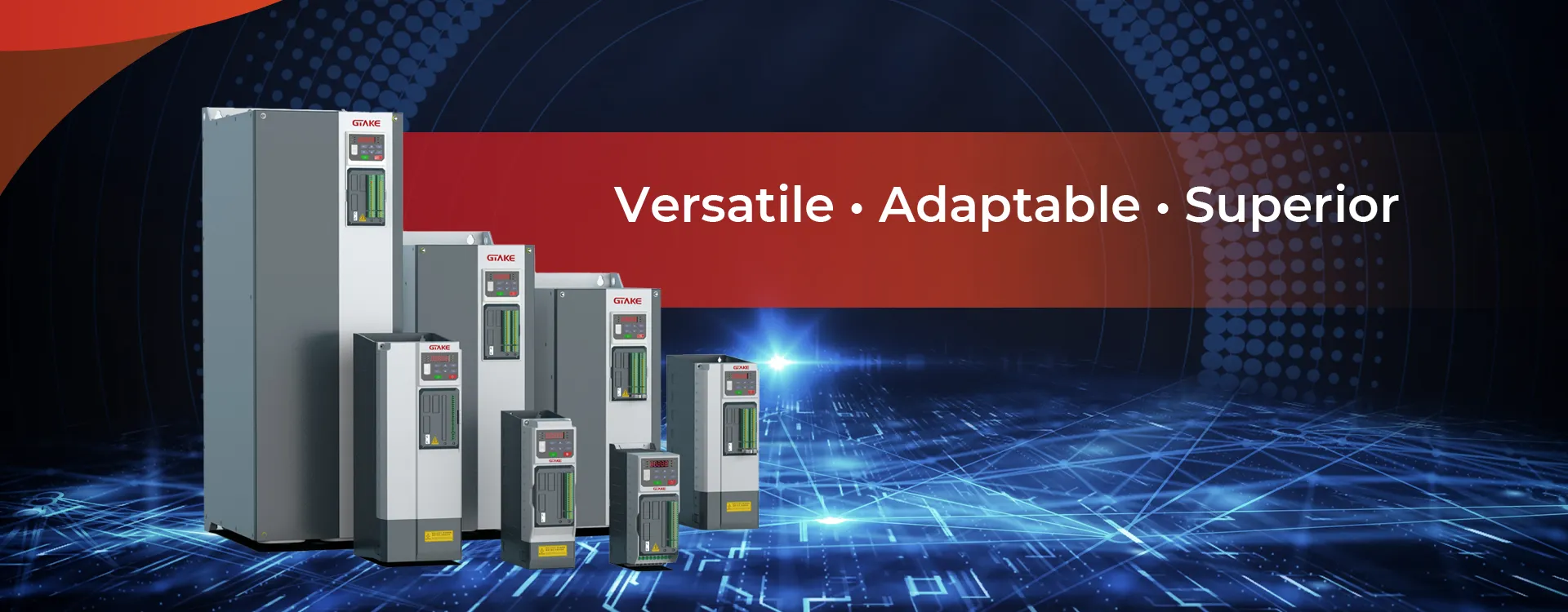
HVAC Inverter: An Essential Component for Efficient Climate Control Systems
An HVAC Inverter is a key technology used in modern heating, ventilation, and air conditioning (HVAC) systems to provide enhanced energy efficiency and control over climate management. It regulates the speed of the compressor motor, allowing the HVAC system to adjust its operation according to the exact needs of the environment, ensuring both comfort and energy savings.
What is an HVAC Inverter?
An HVAC inverter is an electronic device that modifies the speed of the motor in heating, ventilation, and air conditioning systems. It allows the system to operate more efficiently by adjusting the compressor’s speed based on demand. In a traditional non-inverter HVAC system, the compressor motor works at a constant speed, turning on and off as needed. However, an inverter-based system can vary the speed of the motor, avoiding the frequent on/off cycles and ensuring that the system runs more smoothly.
How Does an HVAC Inverter Work?
The key functionality of an HVAC inverter lies in its ability to control the compressor motor speed, which in turn controls the temperature and airflow of the system. Here’s a basic explanation of how it works:
-
Converts AC to DC: The inverter first converts the incoming alternating current (AC) into direct current (DC).
-
Adjusts the DC voltage: It then adjusts the DC voltage to a specific level.
-
Converts DC back to AC: The inverter converts the DC back into AC at the desired frequency to control the compressor’s speed and power consumption.
By constantly adjusting the compressor motor’s speed, the system can maintain a consistent and comfortable indoor climate without the need for excessive energy consumption.
Benefits of HVAC Inverter Technology
-
Energy Efficiency:
-
Reduced Power Consumption: Inverter technology reduces energy waste by adjusting the motor speed rather than switching it on and off constantly. It ensures that the HVAC system runs only at the required capacity, resulting in substantial energy savings.
-
Improved Performance: HVAC systems with inverters can achieve optimal efficiency, especially in environments where the temperature demands vary throughout the day.
-
Enhanced Comfort:
-
Consistent Temperature: Inverter-driven HVAC systems can maintain a more stable and comfortable indoor temperature. Instead of large fluctuations in temperature from the compressor cycling on and off, the inverter maintains a consistent level of operation.
-
Quiet Operation: Inverter systems tend to be quieter than traditional HVAC systems. The gradual adjustments in speed mean less noise compared to the constant switching of a non-inverter compressor.
-
Longer Lifespan of Equipment:
-
Reduced Wear and Tear: Since the inverter gradually adjusts the compressor motor speed rather than constantly turning it on and off, it reduces stress on the motor, leading to less wear and tear and longer-lasting equipment.
-
Eco-Friendly:
Applications of HVAC Inverters
HVAC inverters are used in a variety of settings to improve the efficiency of climate control systems. Some common applications include:
-
Residential Buildings: Inverter air conditioning systems can provide efficient, quiet cooling and heating for homes while saving energy.
-
Commercial and Office Buildings: Inverter-driven HVAC systems are ideal for commercial spaces that experience fluctuating temperature demands throughout the day.
-
Industrial Settings: In larger industrial buildings, where heating and cooling demands may vary greatly, HVAC inverters help maintain consistent environmental conditions, enhancing both comfort and operational efficiency.
Types of HVAC Inverters
-
Split-type Inverter Systems:
-
Centralized Inverter Systems:
-
Multi-Split Inverter Systems:
-
These systems are ideal for buildings with multiple rooms or zones. They connect to multiple indoor units, each controlling its own temperature and airflow, all connected to a single outdoor unit with inverter technology.
Why Choose an HVAC Inverter?
-
Lower Operating Costs: The ability to adjust motor speed according to the demand results in lower electricity bills and reduced operational costs.
-
Advanced Control Features: Many HVAC inverters offer intelligent control systems, allowing for remote management, scheduling, and integration with smart home systems.
-
Quick Cooling and Heating: Inverter-driven systems can rapidly reach the desired temperature and maintain it without large fluctuations.
Choosing the Right HVAC Inverter
When selecting an HVAC inverter, consider the following:
-
Capacity: Ensure that the inverter system matches the required cooling or heating capacity for your space.
-
Energy Efficiency Rating: Look for systems with high SEER (Seasonal Energy Efficiency Ratio) or EER (Energy Efficiency Ratio) ratings to ensure maximum efficiency.
-
Brand Reliability: Choose a reputable brand known for producing high-quality HVAC systems with inverter technology.
-
Installation and Maintenance: Consider the availability of service and maintenance for the selected system. Proper installation and regular maintenance are key to achieving optimal performance.
Conclusion
An HVAC inverter is a powerful tool in modern climate control systems, offering unparalleled energy efficiency, comfort, and environmental sustainability. Whether for residential, commercial, or industrial use, HVAC inverters provide a smarter, more efficient way to regulate indoor temperature while saving energy. If you are looking for top-quality HVAC inverters, Gtake provides reliable solutions that incorporate cutting-edge technology and optimal performance.
For more information or to discuss your HVAC needs, please feel free to contact us at Gtake Contact Us.