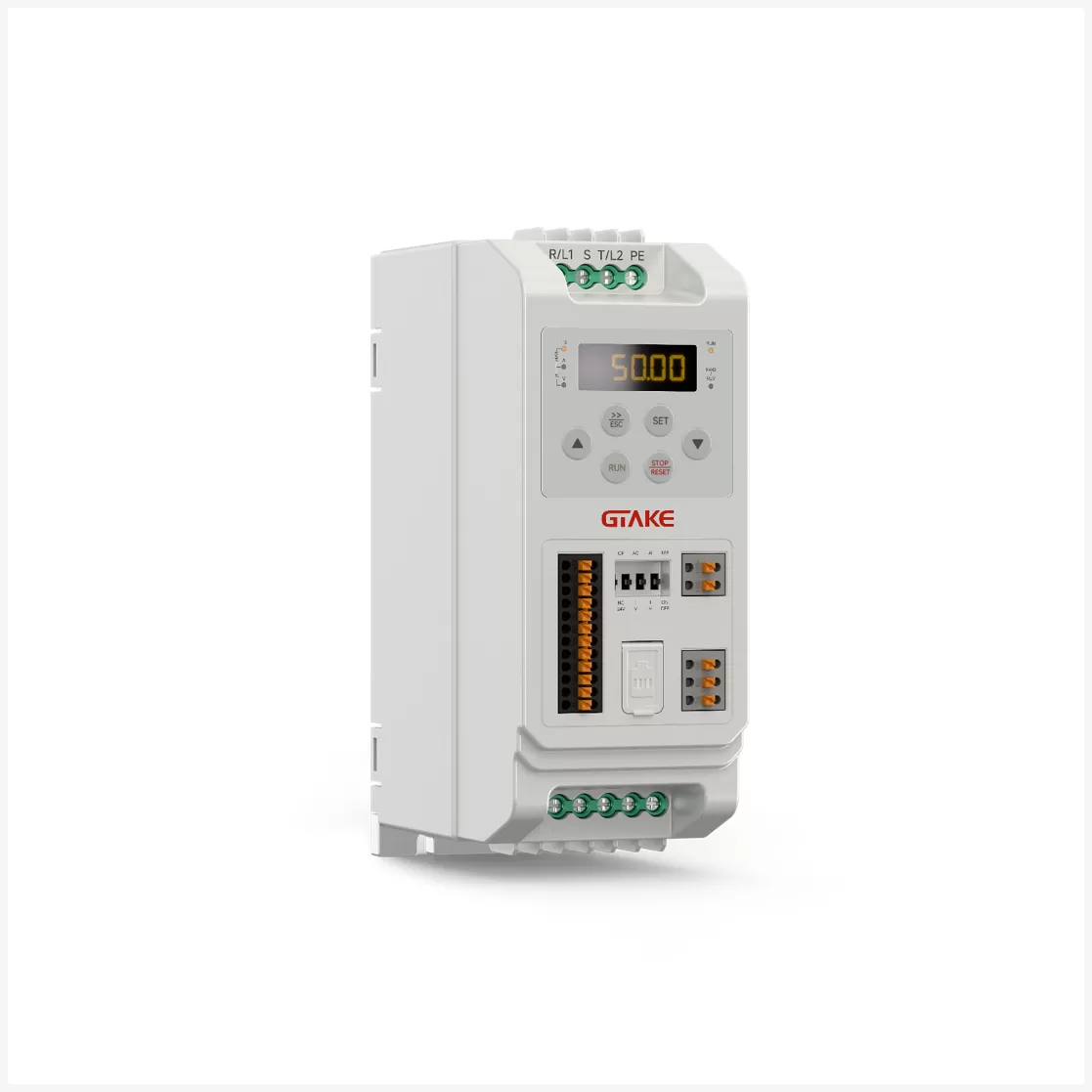
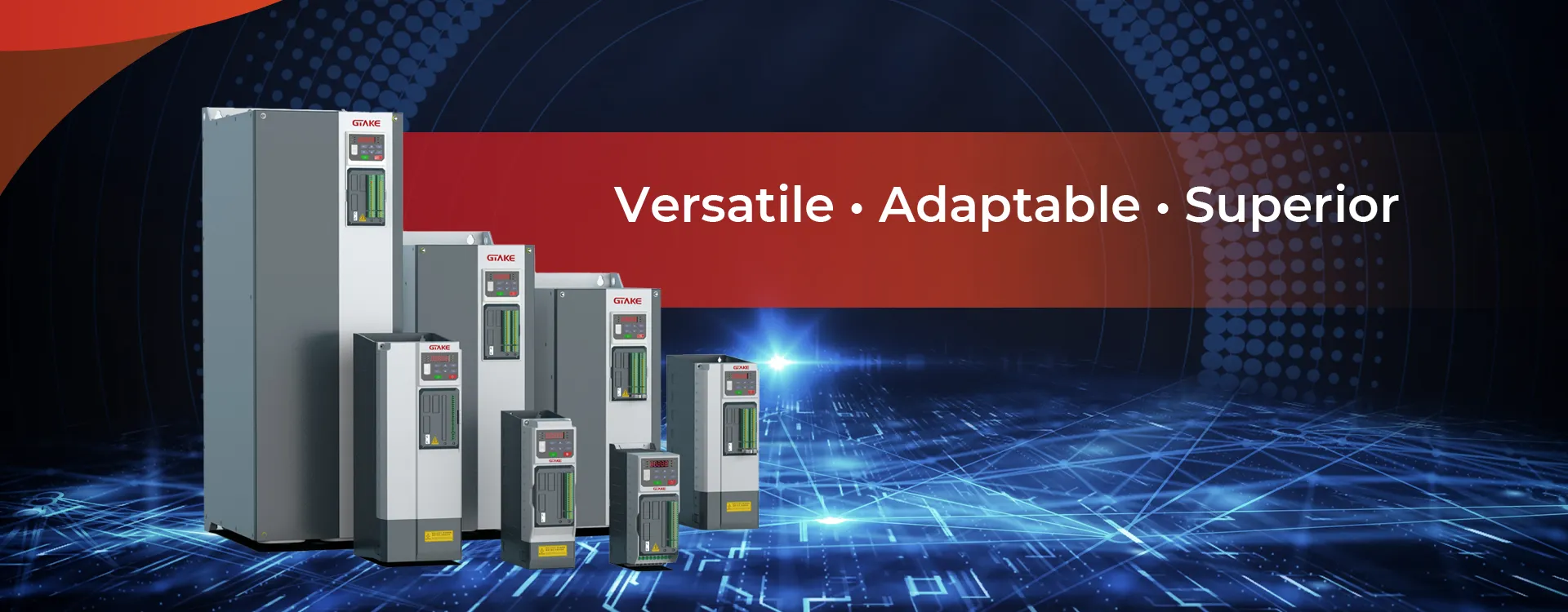
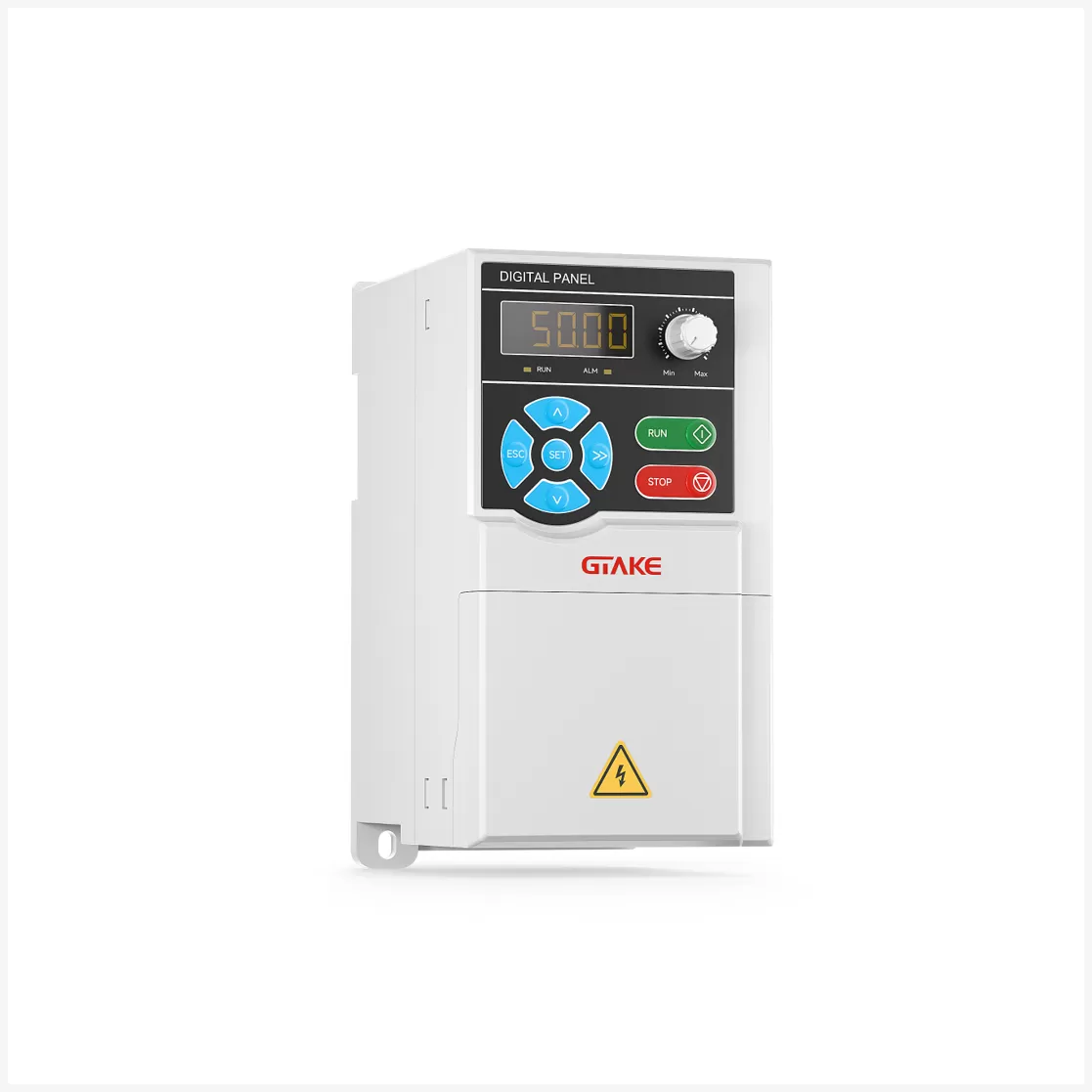
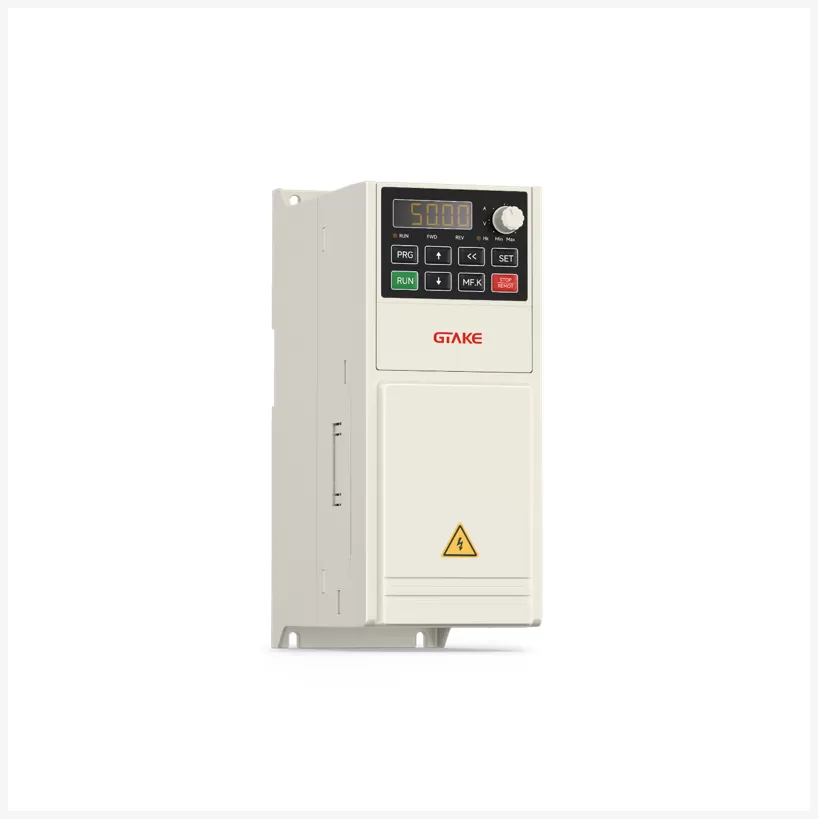
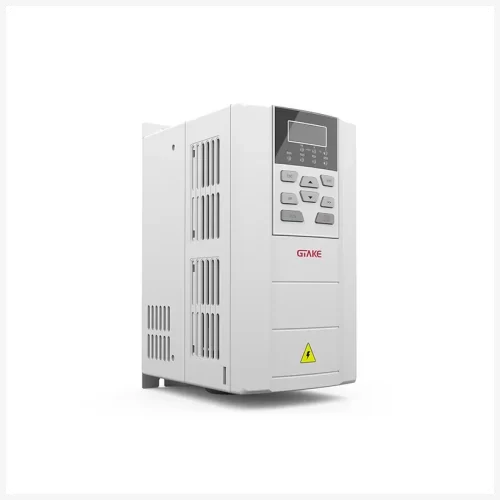
Frequency Drive Inverter: An In-Depth Guide
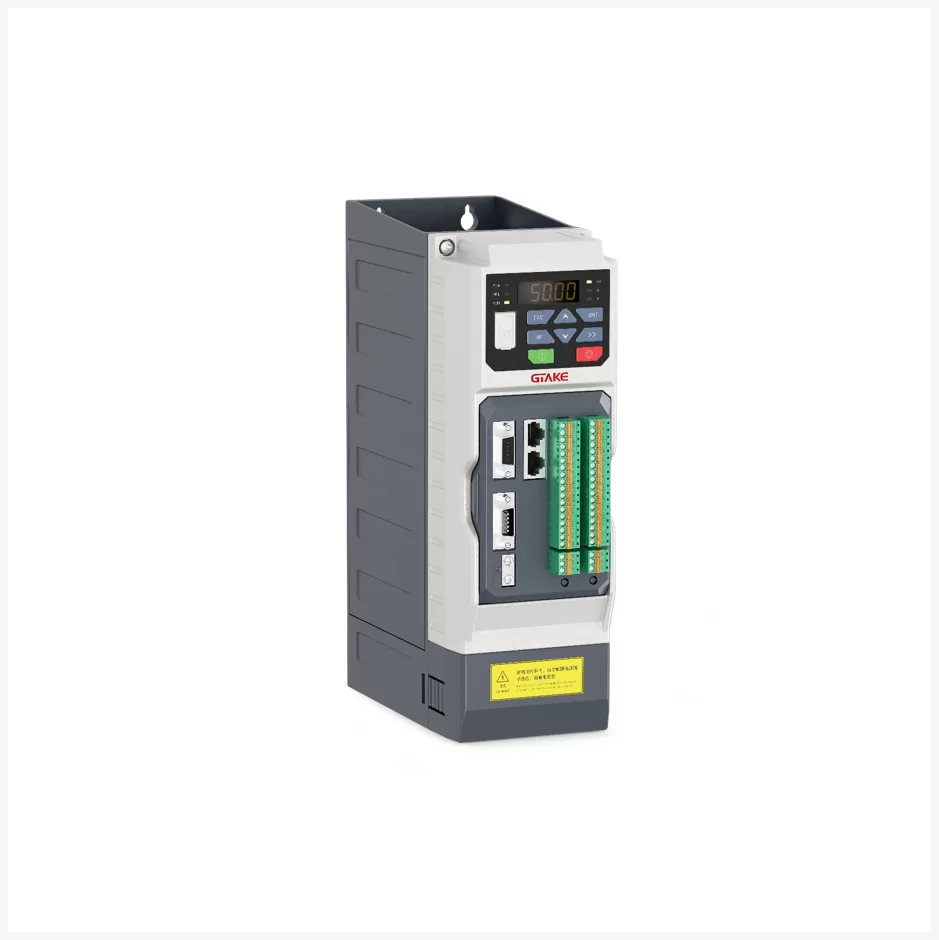
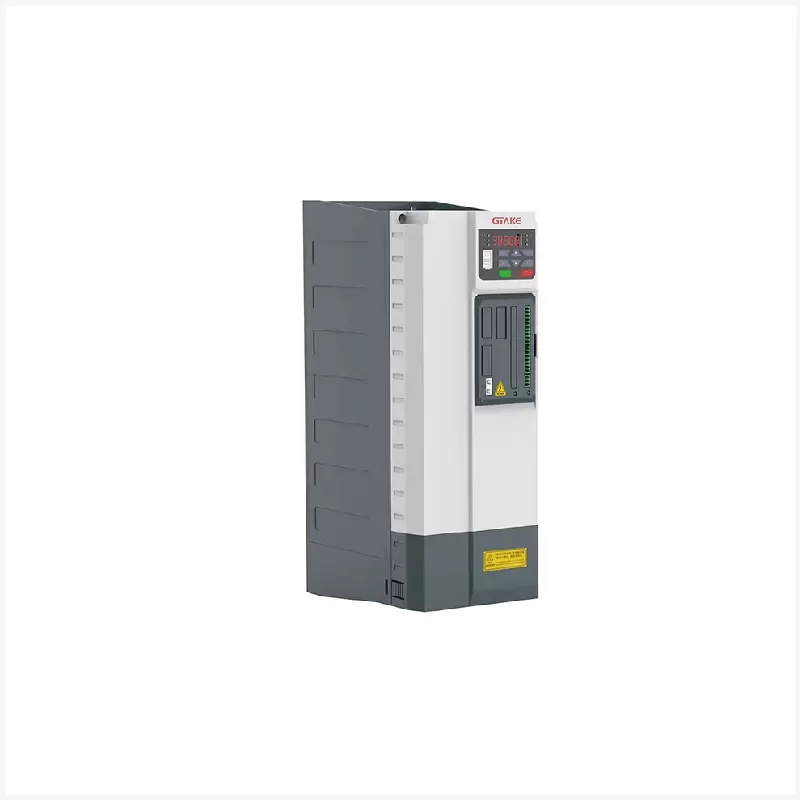
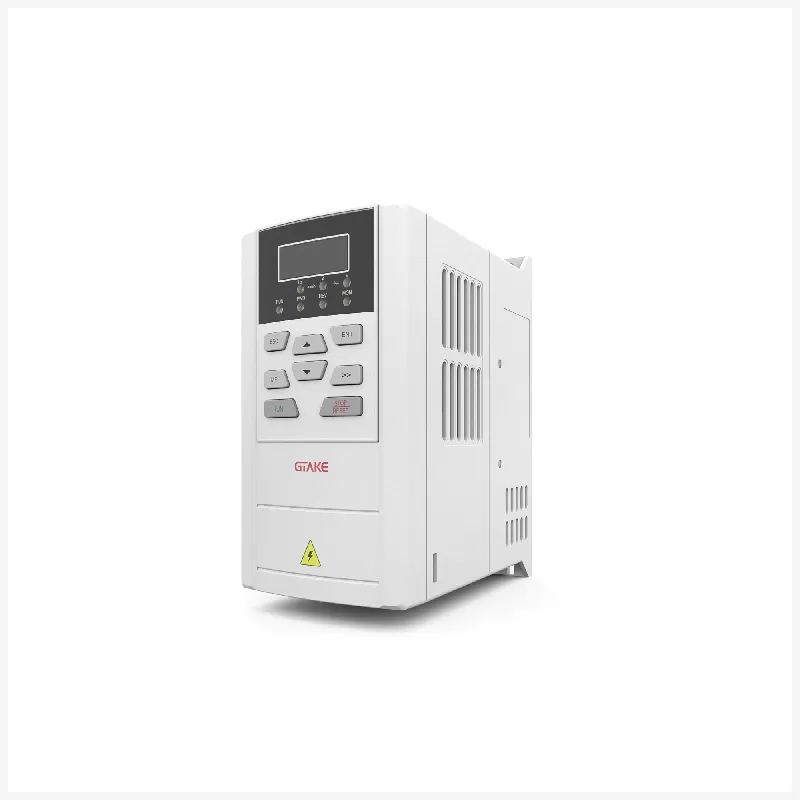
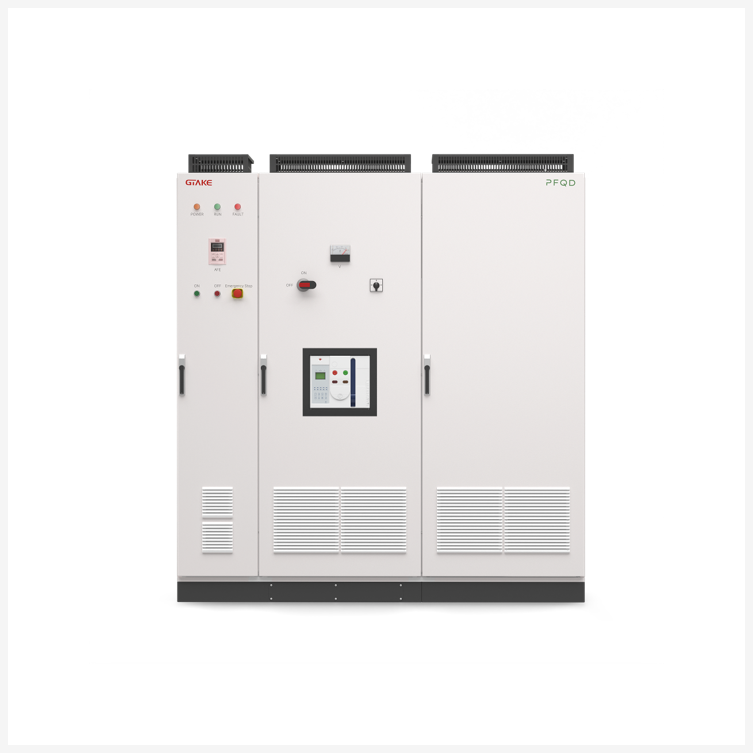
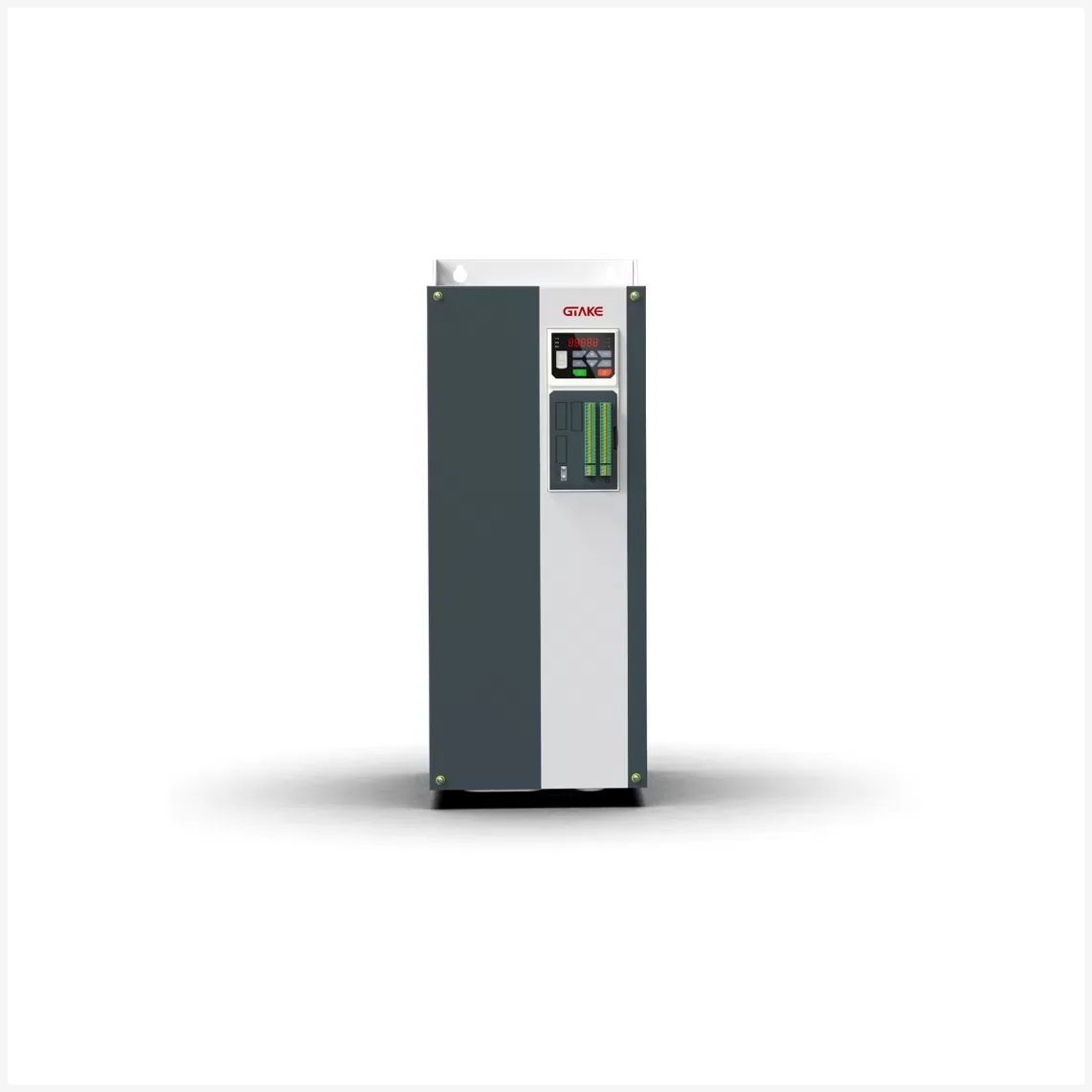
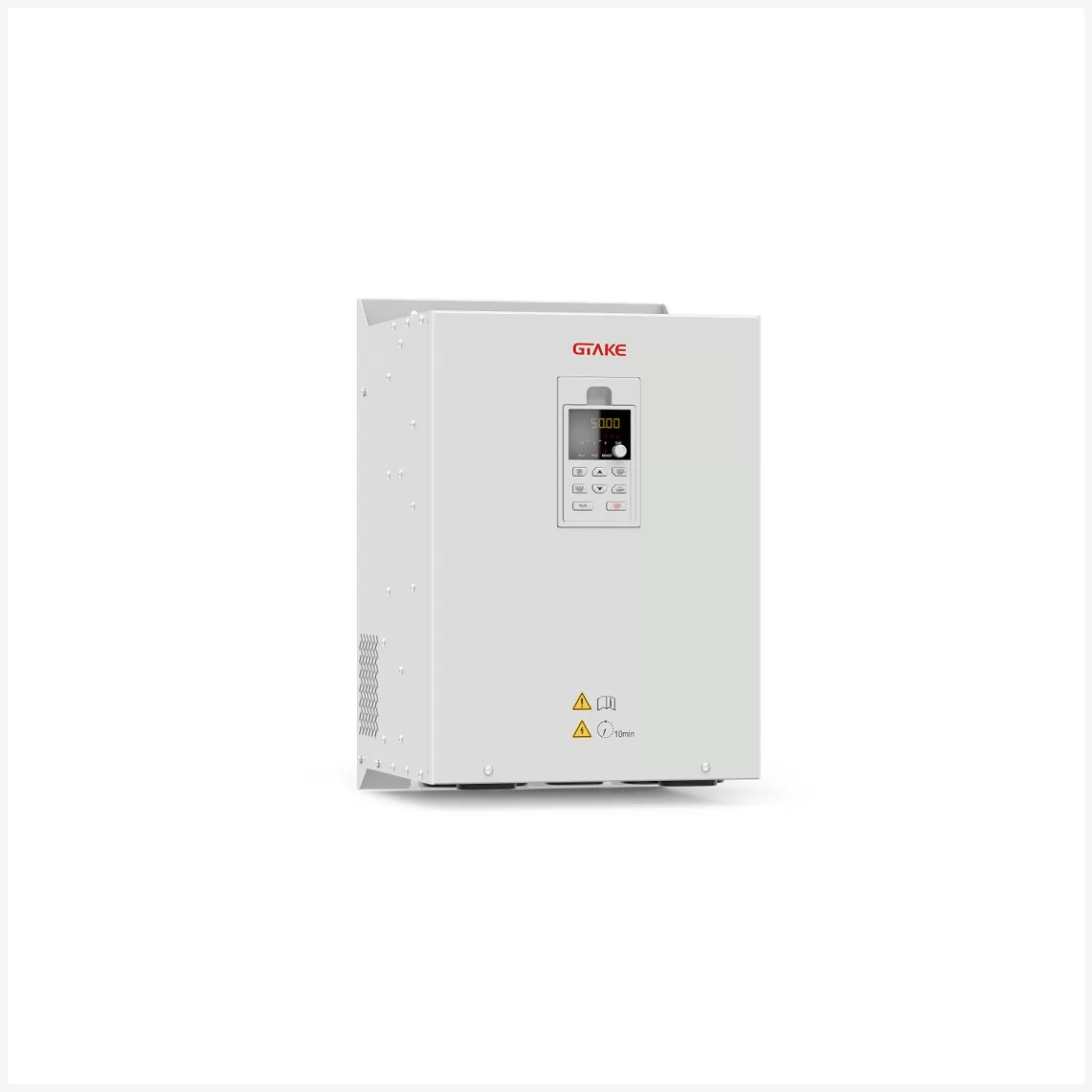
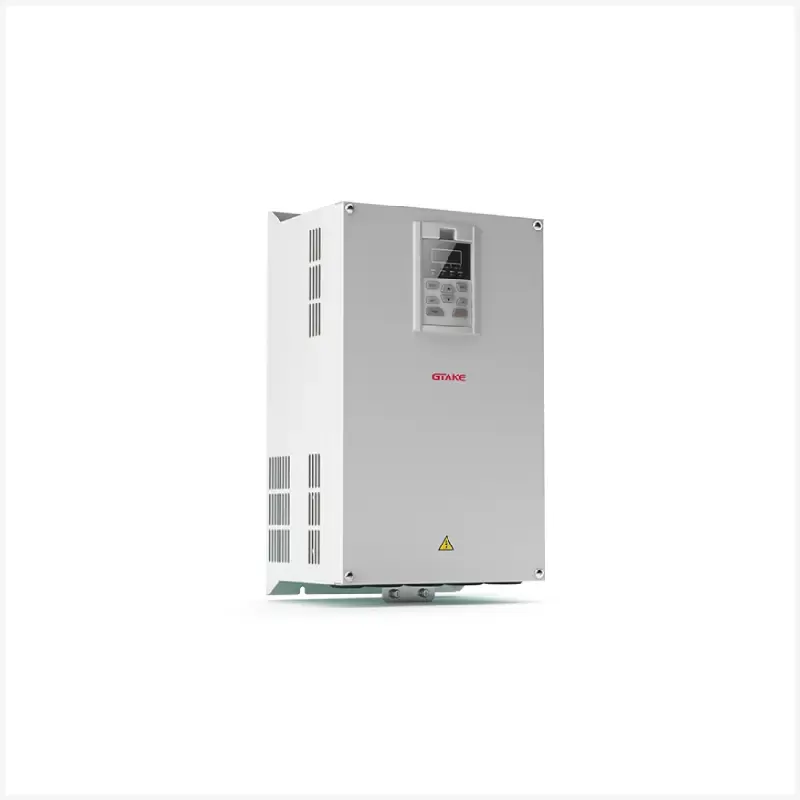
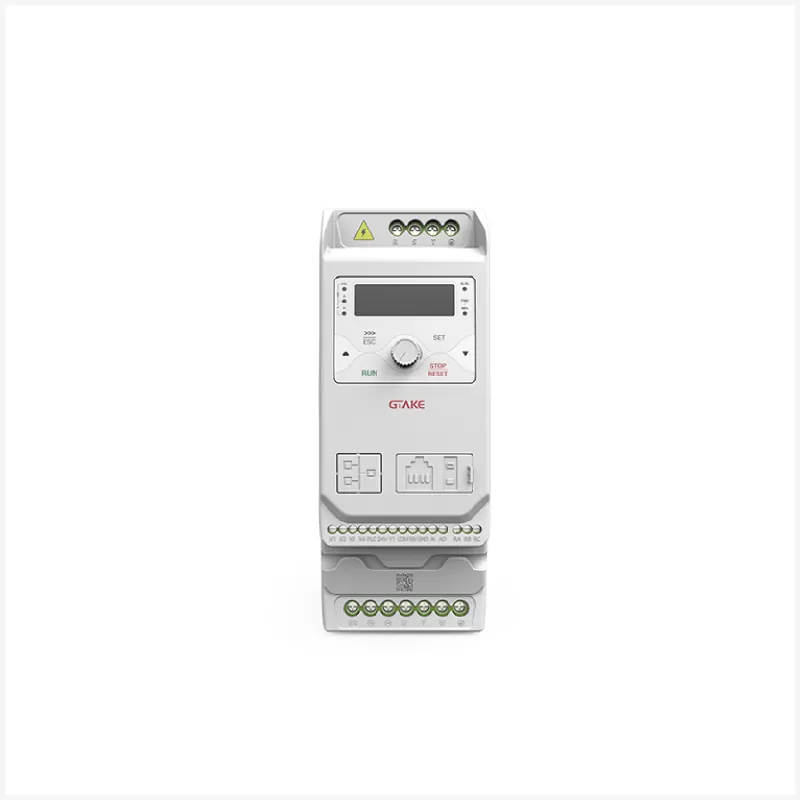
A frequency drive inverter (often referred to as a variable frequency drive or VFD) is an electronic device used to control the speed, torque, and operation of an AC motor by varying the frequency and voltage of the power supplied to the motor. These devices are essential in applications that require precision in motor speed control and energy savings, such as HVAC systems, manufacturing, and industrial automation.
In this article, we will explore what a frequency drive inverter is, how it functions, its advantages, applications, and key features to consider when choosing one for your system.
What is a Frequency Drive Inverter?
A frequency drive inverter is a sophisticated power electronic device that adjusts the speed of an AC motor by controlling the frequency and voltage of the electrical supply. These devices are widely used in industries for applications requiring varying motor speeds or efficient energy consumption.
The device works by converting the incoming AC power into DC power and then using the inverter circuit to convert it back into AC power at a controlled frequency and voltage. By doing so, the inverter controls the speed and torque of the motor, making it ideal for a wide range of motor control applications.
How Does a Frequency Drive Inverter Work?
The operation of a frequency drive inverter can be broken down into several stages:
- AC to DC Conversion:
- The frequency inverter begins by converting the incoming alternating current (AC) to direct current (DC) through a rectifier circuit.
- DC to AC Conversion:
- The DC power is then converted back to AC using an inverter circuit (typically composed of IGBTs—Insulated-Gate Bipolar Transistors). This AC power can be generated at a frequency and voltage that is adjustable according to the desired speed and torque.
- Control of Frequency and Voltage:
- The inverter precisely adjusts the output frequency and voltage. The frequency change directly affects the speed of the motor: a higher frequency results in a faster motor speed, while a lower frequency results in a slower motor speed. Adjusting the voltage ensures the motor operates efficiently at different speeds.
- Motor Operation:
- The controlled output from the inverter is supplied to the motor, resulting in controlled acceleration, deceleration, and stable motor speed under varying load conditions.
Types of Frequency Drive Inverters
There are various types of frequency drive inverters based on the level of control and sophistication they provide:
- V/f Control (Volts per Hertz Control):
- This basic control method maintains a constant ratio of voltage to frequency. It is simple to implement and cost-effective but offers less precision in controlling motor performance. V/f control is ideal for applications where fine speed control is not critical.
- Sensorless Vector Control (SVC):
- Sensorless vector control eliminates the need for external sensors to monitor the motor’s position. The inverter estimates the motor’s rotor position using the motor’s electrical characteristics. This method offers better control of motor torque and speed, especially at low speeds.
- Vector Control (Field-Oriented Control, FOC):
- Vector control allows for independent control of motor speed and torque by controlling the motor’s magnetic field. This method provides precise performance and is suitable for high-demand applications requiring constant speed or variable torque.
- Direct Torque Control (DTC):
- Direct torque control offers the most advanced form of motor control. DTC provides real-time control of both motor torque and flux, resulting in faster torque response and improved efficiency. It is commonly used in applications that require quick, precise control.
Benefits of Using a Frequency Drive Inverter
- Energy Savings:
- One of the main advantages of frequency drive inverters is their ability to adjust motor speed based on demand. By running the motor at optimal speeds rather than full capacity all the time, energy consumption is significantly reduced, leading to lower operational costs.
- Improved Motor Life:
- The smooth acceleration and deceleration provided by frequency inverters reduce mechanical stress on the motor, leading to less wear and tear and extending its lifespan. This results in reduced maintenance costs.
- Enhanced System Efficiency:
- By maintaining the motor’s speed in response to the load, frequency inverters prevent energy waste, making systems more efficient and reliable. They can also reduce the need for auxiliary equipment like throttles or dampers, further improving system efficiency.
- Precise Speed and Torque Control:
- Frequency inverters offer precise speed control and torque regulation, enabling fine-tuned motor performance. This is particularly beneficial in applications where consistent speed or variable torque is essential, such as conveyors, pumps, and ventilation systems.
- Reduced Mechanical Wear:
- Frequency drive inverters ensure smooth starts and stops by gradually increasing or decreasing motor speed. This reduces the mechanical stresses that typically occur during sudden starts or stops, extending the service life of the motor and connected equipment.
- Regenerative Braking:
- Some frequency inverters offer regenerative braking features, allowing the motor to act as a generator when decelerating, feeding energy back into the system, which can be used to power other components or stored for later use.
Applications of Frequency Drive Inverters
Frequency drive inverters are used in a variety of industries and applications, including:
- HVAC Systems:
- In HVAC (Heating, Ventilation, and Air Conditioning) systems, frequency inverters control the speed of fans, compressors, and pumps, optimizing energy consumption and maintaining consistent air flow or temperature regulation.
- Water and Wastewater Treatment:
- Frequency inverters are used in pumps and mixers for water and wastewater treatment, ensuring optimal flow rates and energy efficiency, even under varying demand conditions.
- Pumps and Compressors:
- In industries such as chemical, oil, and gas, frequency drive inverters are used to control pumps and compressors, maintaining the required pressure and flow rate while reducing energy usage.
- Material Handling Systems:
- Conveyors, elevators, and other material handling equipment benefit from the precise speed control provided by frequency inverters, allowing for smooth operation and improved system reliability.
- Manufacturing and Industrial Automation:
- Frequency inverters are integral in automated production lines, robotics, and industrial machines. They help to maintain precise control over speed and torque in tasks such as packaging, assembly, and machining.
- Elevators and Escalators:
- Elevators and escalators benefit from the energy-saving capabilities of frequency inverters, which control the speed of motors while ensuring smooth and efficient operation.
- Textile Industry:
- In the textile industry, frequency inverters regulate the speed of machinery such as looms and spinning equipment, ensuring consistent operation and quality output.
Key Features of Frequency Drive Inverters
- Variable Speed Control:
- Frequency inverters allow users to adjust motor speed to meet demand, providing flexible and energy-efficient operation.
- Overload Protection:
- Built-in protection features, including overload and overvoltage protection, safeguard the inverter and motor from damage during abnormal operating conditions.
- Communication Protocols:
- Many modern inverters support communication protocols such as Modbus, CANopen, or Profibus, enabling easy integration into larger automation systems.
- Energy-saving Algorithms:
- Some frequency drive inverters include energy-saving algorithms that optimize motor speed and operation based on load conditions, further reducing energy consumption.
- Advanced Motor Control:
- Features like sensorless vector control or direct torque control allow for precise regulation of motor torque and speed, which is essential for high-performance applications.
- User Interface:
- A user-friendly interface allows easy configuration and monitoring of the inverter’s settings and performance, ensuring smooth operation and easy troubleshooting.
Conclusion
A frequency drive inverter is an indispensable tool for controlling the speed and efficiency of AC motors across a wide range of applications. With the ability to precisely control motor speed and torque, frequency drive inverters provide significant benefits in terms of energy savings, operational efficiency, and extended equipment lifespan. Whether for HVAC systems, industrial automation, or water treatment, the frequency drive inverter is a critical component that enhances performance and reduces operational costs.
By understanding the different types of frequency drive inverters, their applications, and key features, you can select the right inverter to suit your specific requirements, ensuring optimal system performance and long-term reliability.