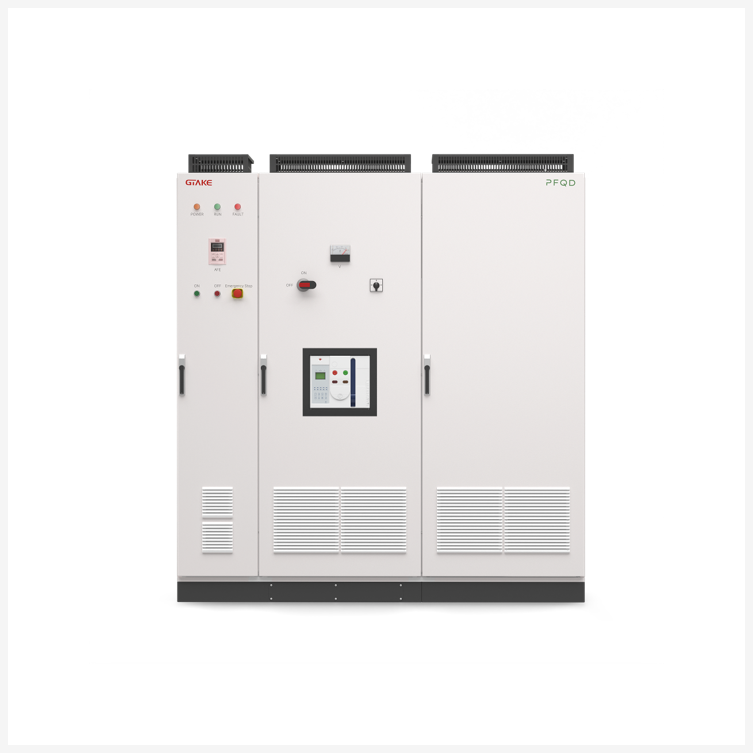
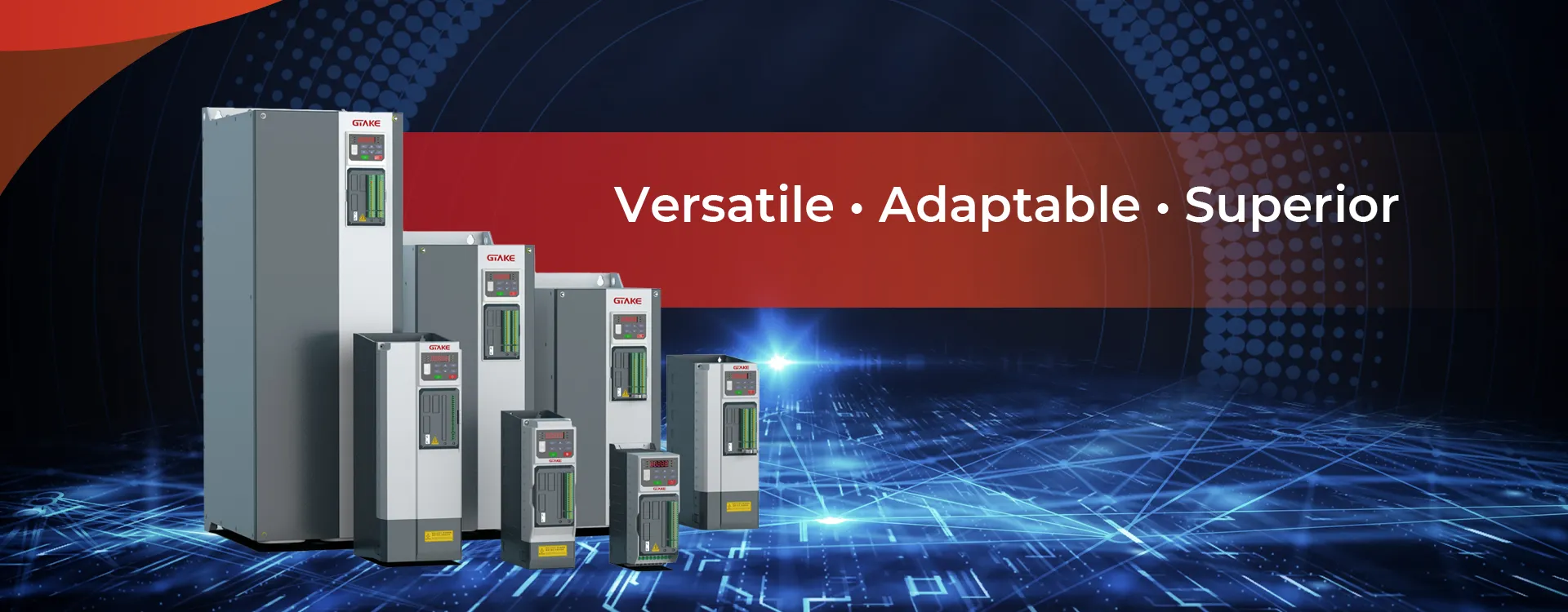
Four Quadrant Inverter: Efficient Motor Control Across All Operational Phases
A Four Quadrant Inverter is a specialized power electronic device that enables the precise control of motors across all four quadrants of the speed-torque curve. Unlike traditional inverters, which may only provide unidirectional control, the four quadrant inverter allows bidirectional motor operation—both motoring and regenerative braking—making it ideal for dynamic applications like electric vehicles (EVs), industrial equipment, and material handling systems.
What is a Four Quadrant Inverter?
A Four Quadrant Inverter controls a motor’s speed and torque in all four quadrants, corresponding to different combinations of speed and torque values:
- Quadrant 1 (Forward motoring with positive torque): The motor operates in the forward direction and provides positive torque to drive the load.
- Quadrant 2 (Forward motoring with negative torque): The motor continues forward rotation, but negative torque is applied, typically during braking.
- Quadrant 3 (Reverse motoring with negative torque): The motor runs in reverse with negative torque, often used in regenerative braking.
- Quadrant 4 (Reverse motoring with positive torque): The motor operates in reverse and provides positive torque to drive the load.
This functionality enables the inverter to manage not only speed but also deceleration and regeneration, making it versatile for both motion control and energy recovery applications.
Key Features of Four Quadrant Inverters
Bidirectional Control
One of the key features of a four quadrant inverter is its ability to control the motor’s direction of rotation and manage both motoring and regenerative braking. This bidirectional control enhances performance and allows for smoother operation in systems where frequent direction changes are required, such as in cranes or lifts.
Regenerative Braking
Four quadrant inverters can convert kinetic energy back into electrical energy during braking, which is then fed back into the grid or used by the system. This regenerative braking feature not only improves energy efficiency but also reduces operating costs by recovering energy that would otherwise be wasted.
Precision Control
Four quadrant inverters provide highly accurate control over motor speed and torque. This precision is critical in applications where fine-tuned performance is required, such as robotics, conveyor belts, or machine tools.
Energy Efficiency
By allowing energy recovery during braking and enabling precise motor control, four quadrant inverters contribute to energy savings and reduced power consumption. This makes them ideal for high-duty-cycle applications, helping to reduce overall operational costs and the environmental impact of industrial operations.
Applications of Four Quadrant Inverters
- Electric Vehicles (EVs): Four quadrant inverters are essential in electric vehicles to enable smooth driving and regenerative braking, ensuring efficient use of energy during acceleration and deceleration.
- Cranes and Hoists: These systems benefit from the bidirectional control and regenerative braking features of four quadrant inverters, which ensure precise lifting and lowering operations.
- Industrial Equipment: Conveyors, mills, and other industrial machines requiring high performance and energy efficiency can use four quadrant inverters to optimize control over motor speed and torque.
- Elevators: Four quadrant inverters are frequently used in elevator systems to ensure smooth acceleration, deceleration, and efficient braking during operation.
- Robotics: In robotic systems, four quadrant inverters provide the necessary control for precise movement and energy recovery, which is vital for accurate positioning and low energy consumption.
Benefits of Four Quadrant Inverters
Enhanced Operational Performance
The advanced control provided by four quadrant inverters improves the overall performance of motor-driven systems. With their ability to manage both torque and speed in all four quadrants, these inverters enable smooth transitions, precise positioning, and reliable operation in demanding environments.
Energy Efficiency and Cost Savings
Four quadrant inverters can reduce energy consumption by allowing for regenerative braking, which recovers energy and feeds it back into the system or grid. This feature is crucial in reducing energy costs, especially in high-duty applications such as heavy machinery and electric vehicles.
Reduced Wear and Tear
By optimizing the motor’s operation, four quadrant inverters help reduce mechanical stress during acceleration, deceleration, and braking phases. This leads to less wear and tear on motors and other mechanical components, extending their lifespan and reducing maintenance costs.
Improved Safety
Four quadrant inverters provide enhanced control and precision, which helps ensure that machinery operates within safe parameters. This minimizes the risk of accidents or malfunctions, especially in critical applications like lifts and industrial machinery.
Why Choose Gtake for Your Four Quadrant Inverter Solutions?
High-Performance Inverters
At Gtake, we specialize in providing high-quality four quadrant inverters designed to meet the performance requirements of various industries. Our inverters deliver precision control, energy efficiency, and seamless bidirectional operation, making them perfect for applications that demand reliability and flexibility.
Customizable Solutions
We offer customizable four quadrant inverter solutions to fit your specific needs. Whether you’re working in the automotive, industrial, or robotics sector, we can provide tailored solutions that optimize your system’s performance and efficiency.
Comprehensive Support
At Gtake, we are committed to providing our customers with comprehensive support, from initial consultation and system design to installation and after-sales service. Our experienced team is dedicated to helping you get the most out of your four quadrant inverter system.
Contact Us for Four Quadrant Inverter Solutions
If you’re look