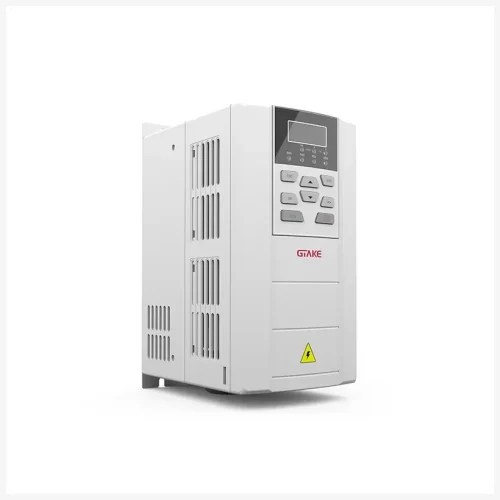
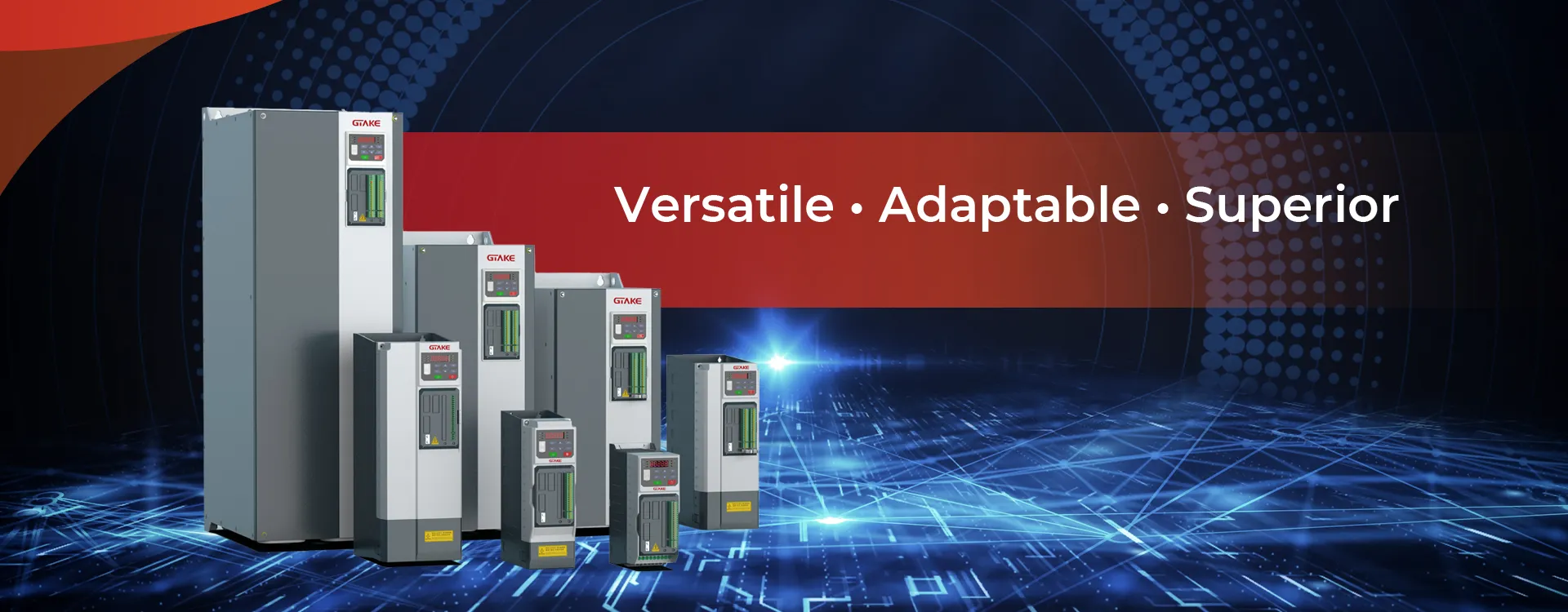
An Elevator VSD (Variable Speed Drive) is used to control the speed and torque of elevator motors, enabling smooth acceleration, deceleration, leveling, and speed regulation. GTAKE provides dedicated AC drive solutions for elevator applications, including the GK620E Elevator Dedicated AC Drive for passenger and freight elevators.
As an experienced developer of Variable Speed Drives, GTAKE combines motor control technology with application-specific control algorithms to provide drive solutions for industrial and elevator applications.
What Is an Elevator VSD?
An Elevator VSD is a variable speed drive used to regulate the motor speed and torque of an elevator system. By controlling the voltage and frequency supplied to the motor, the drive can adjust motor operation according to different elevator running conditions.
In elevator applications, precise speed and torque control are important for smooth starting, acceleration, deceleration, stopping, and floor leveling. The drive therefore works as an important part of the elevator control system.
Unlike a general-purpose drive, an elevator-specific VSD can incorporate control functions and parameters designed around elevator traction and operating requirements.
How Does an Elevator VSD Work?
An Elevator VSD controls the motor by regulating the output voltage and frequency according to the required speed and torque.
During elevator operation, the drive controls different stages of movement, including:
- Starting and initial acceleration
- Speed transition
- Constant-speed operation
- Deceleration
- Floor leveling
- Stopping
GTAKE’s elevator drive technology uses sensorless vector control and V/Hz control options. The GK620E also supports flexible S-curve control, which helps manage acceleration and deceleration for a smoother elevator ride.
Key Features of an Elevator VSD
Precise Speed and Torque Control
An elevator drive needs stable speed regulation and sufficient starting torque to support different load conditions. The GK620E supports sensorless vector control and V/Hz control, with speed accuracy of up to ±0.2% under specified sensorless vector control conditions.
High Starting Torque
The GK620E can provide starting torque of up to 180% at 0.25 Hz under specified sensorless vector control conditions. This supports elevator starting performance under different load conditions.
Fast Torque Response
The GK620E provides a torque response time of less than 10 ms under specified sensorless vector control conditions, supporting responsive motor control during elevator operation.
Flexible S-Curve Control
S-curve control can be used to manage the acceleration and deceleration profile of an elevator. By providing a smoother speed transition, it helps improve ride comfort during starting, running, and stopping.
Open-Loop Leveling
The GK620E can be programmed for leveling operation even when open-loop control is used. This can reduce the need for additional devices in suitable elevator configurations.
Flexible Overload Capability
The GK620E supports 150% current for 1 minute and 180% for 10 seconds under specified conditions. Higher overload capability can be achieved by selecting a suitably oversized drive.
GTAKE Elevator VSD: GK620E Elevator Dedicated AC Drive
The GK620E Elevator Dedicated AC Drive is designed for passenger and freight elevators installed in residential buildings, shopping malls, office buildings, and other applications.
The drive is developed around the characteristics of elevator traction systems and includes application-specific control functions. Its flexible S-curve control, speed regulation, torque performance, and leveling capability make it suitable for elevator control applications.
Key specifications include:
- Supply voltage: 380–480 V ±10%
- Output frequency: 0.00–600.00 Hz
- Sensorless vector control and V/Hz control
- Speed accuracy: up to ±0.2% under specified sensorless vector control conditions
- Starting torque: up to 180% at 0.25 Hz under specified conditions
- Torque response: less than 10 ms under specified sensorless vector control conditions
- Ambient temperature: -10°C to 50°C
- IP20 protection
The GK620E elevator drive solution covers power ranges from 3.7 kW to 30 kW in the applicable elevator solution configuration.
Applications of Elevator VSD
Elevator VSDs are used in different vertical transportation applications where controlled motor speed and torque are required.
Passenger Elevators
For residential buildings, offices, hotels, shopping malls, and other buildings, an elevator VSD helps control acceleration, deceleration, speed, and leveling for smooth elevator operation.
Freight Elevators
Freight elevators require stable motor control under different load conditions. An elevator-specific VSD can provide controlled starting, speed regulation, and stopping for passenger and goods transportation applications.
Residential Buildings
Compact elevator drive solutions can be used in residential buildings where smooth operation and practical control configuration are important.
Commercial Buildings
Elevators in office buildings, shopping malls, and other commercial facilities require reliable speed and torque control for regular passenger transportation.
Elevator VSD vs. General-Purpose AC Drive
Both an Elevator VSD and a general-purpose AC drive regulate motor speed and torque, but their application requirements can be different.
A general-purpose AC drive is designed for a broad range of motor-driven equipment, while an elevator-specific drive incorporates functions and control parameters based on elevator operating requirements.
For example, the GK620E is specifically developed for elevator applications and provides functions such as flexible S-curve control and open-loop leveling. GTAKE also offers general-purpose AC drives for other industrial motor control applications.
Choosing between an elevator-specific drive and a general-purpose drive should therefore depend on the elevator motor, traction system, control architecture, load requirements, and required elevator functions.
Variable Speed Drives Manufacturer
GTAKE is a manufacturer and developer of Variable Speed Drives and motor control products for industrial automation and clean energy applications.
GTAKE began its research and development of AC drives and EV/HEV motor controllers when the company was founded in 2009. Its AC drive portfolio includes general-purpose, high-performance, application-specific, and four-quadrant drive products.
For elevator applications, GTAKE provides the GK620E Elevator Dedicated AC Drive together with an overall elevator control solution. GTAKE also operates R&D centers in Shenzhen and Nanjing and has developed technologies covering variable frequency drives, servo drives, power converters, and motor controllers.
With dedicated product development and application experience, GTAKE provides Variable Speed Drives for different motor control requirements and application environments.
How to Choose an Elevator VSD?
When selecting an Elevator VSD, the following factors should be considered:
- Elevator motor type and rated power
- Motor voltage and current
- Required speed range
- Starting torque requirements
- Elevator load and operating conditions
- Open-loop or closed-loop control requirements
- Leveling requirements
- Acceleration and deceleration profile
- Overload requirements
- Installation environment
The drive configuration should be matched with the elevator motor, traction system, controller, and required operating functions.
FAQ About Elevator VSD
What is an Elevator VSD?
An Elevator VSD is a variable speed drive designed to control the speed and torque of an elevator motor. It regulates motor operation during starting, acceleration, constant-speed running, deceleration, and stopping.
What is the difference between VSD and VFD?
VSD means Variable Speed Drive and refers broadly to drives used to control motor speed. VFD, or Variable Frequency Drive, specifically refers to a drive that controls AC motor speed primarily by varying frequency and voltage. In many AC motor applications, the terms VSD and VFD are used interchangeably.
What type of drive does GTAKE provide for elevators?
GTAKE provides the GK620E Elevator Dedicated AC Drive, which is designed for passenger and freight elevator applications. It supports sensorless vector control, V/Hz control, flexible S-curve control, and elevator leveling functions.
What power range does the GK620E support for elevator applications?
The GK620E elevator solution covers applicable power ranges from 3.7 kW to 30 kW. The final drive configuration should be selected according to the elevator motor and system requirements.
Is GTAKE a Variable Speed Drives manufacturer?
Yes. GTAKE develops and manufactures AC drives and other motor control products for industrial automation and clean energy applications. Its product portfolio includes general-purpose, high-performance, application-specific, and four-quadrant AC drives.
Contact GTAKE for Elevator VSD Solutions
GTAKE provides application-specific AC drive solutions for elevator and other motor control applications. If you are looking for an Elevator VSD for a passenger or freight elevator, contact GTAKE to discuss your motor specifications, power requirements, control mode, and elevator application.