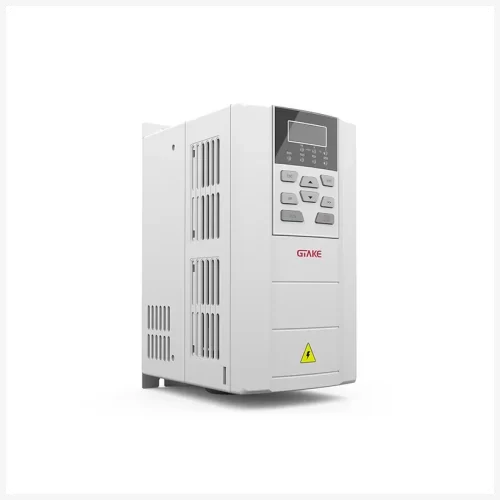
Elevator VFD Drive: Efficient Control for Smooth Elevator Operations
The Elevator VFD Drive (Variable Frequency Drive) is an essential component in modern elevator systems, offering precise control over the elevator motor’s speed and torque. By varying the frequency of the electrical supply to the motor, the VFD drive ensures smooth starts, stops, and efficient speed control throughout the elevator’s journey. This results in enhanced comfort, reduced energy consumption, and prolonged equipment life, making it an integral part of advanced elevator technologies.
What is an Elevator VFD Drive?
An elevator VFD drive is a device that regulates the speed and torque of the motor powering an elevator. It does this by adjusting the frequency and voltage supplied to the motor. The VFD drive ensures that the elevator operates smoothly, reducing mechanical stress and offering energy-saving benefits. It is especially useful in elevators that require precise control over their movements, such as in high-rise buildings, commercial complexes, and industrial facilities.
How Does an Elevator VFD Drive Work?
The VFD drive works by converting incoming electrical power into variable frequency and voltage, which is supplied to the elevator motor. This allows the motor to operate at different speeds depending on the elevator’s needs. The VFD drive constantly adjusts the speed and torque, enabling the elevator to accelerate, decelerate, and stop smoothly, without sudden jerks or vibrations. It also minimizes energy consumption by operating the motor only at the required speed, avoiding unnecessary power usage.
Benefits of Using an Elevator VFD Drive
Elevator VFD drives offer a range of benefits that make them essential for modern elevator systems:
1. Enhanced Comfort and Ride Quality
By controlling the speed and acceleration of the elevator motor, VFD drives ensure that the elevator starts, moves, and stops smoothly. This results in a more comfortable ride for passengers, with minimal jerks or vibrations during movement.
2. Energy Efficiency
Elevator VFD drives optimize the motor’s operation, only using the energy required for each specific movement. This helps reduce power consumption, which can lead to significant savings on electricity costs, especially in high-traffic buildings.
3. Reduced Maintenance Costs
By minimizing wear and tear on the elevator motor and associated components, VFD drives extend the lifespan of the system. They prevent abrupt starts and stops that can lead to mechanical damage, reducing the frequency of maintenance and costly repairs.
4. Smooth Acceleration and Deceleration
VFD drives allow for gradual acceleration and deceleration, ensuring that the elevator moves in a controlled manner. This minimizes stress on the elevator’s mechanical components and ensures that passengers are not subjected to sudden jerks.
5. Improved Safety
Elevator VFD drives are equipped with safety features that help control the motor’s behavior under varying load conditions. This ensures that the elevator operates within safe limits and prevents any sudden movements or malfunctions.
Applications of Elevator VFD Drives
Elevator VFD drives are used in various types of elevator systems, including:
- Residential Elevators: For home elevators, VFD drives offer smooth, quiet, and energy-efficient operation.
- Commercial Elevators: VFD drives are commonly used in office buildings, hotels, and shopping malls to ensure reliable and efficient vertical transportation.
- High-Rise Elevators: In skyscrapers and high-rise buildings, VFD drives are essential for providing precise control over high-speed elevators, ensuring smooth and comfortable rides.
- Industrial Elevators: For heavy-duty applications, VFD drives optimize the motor’s performance in industrial and freight elevators, ensuring they can handle large loads efficiently.
Types of Elevator VFD Drives
There are various types of elevator VFD drives designed to meet specific system requirements:
1. AC VFD Drives
AC VFD drives are the most common type used in modern elevators. They control the operation of AC motors, offering energy-efficient and precise control for various applications, from residential to high-rise buildings.
2. DC VFD Drives
DC VFD drives are typically used in older elevator systems, offering reliable speed control. Although less energy-efficient than AC VFDs, they are still used in specific applications where DC motors are preferred.
3. Regenerative VFD Drives
Regenerative VFD drives capture energy during braking and feed it back into the grid, making them ideal for high-traffic buildings and energy-conscious installations. They contribute to overall energy savings and environmental sustainability.
Why Choose Our Elevator VFD Drives?
At [Your Company], we offer high-quality Elevator VFD Drives that deliver superior performance, energy efficiency, and reliability. Our VFD drives are designed to meet the unique needs of each elevator system, providing smooth, safe, and cost-effective operations. Whether you need a drive for a residential elevator or a high-speed system for a commercial skyscraper, we have the solution you need to enhance the efficiency and longevity of your elevator systems.