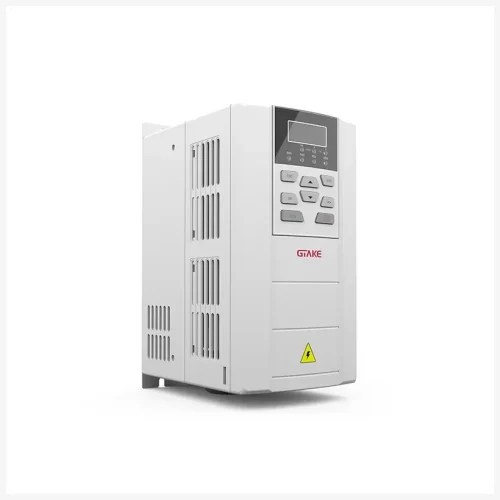
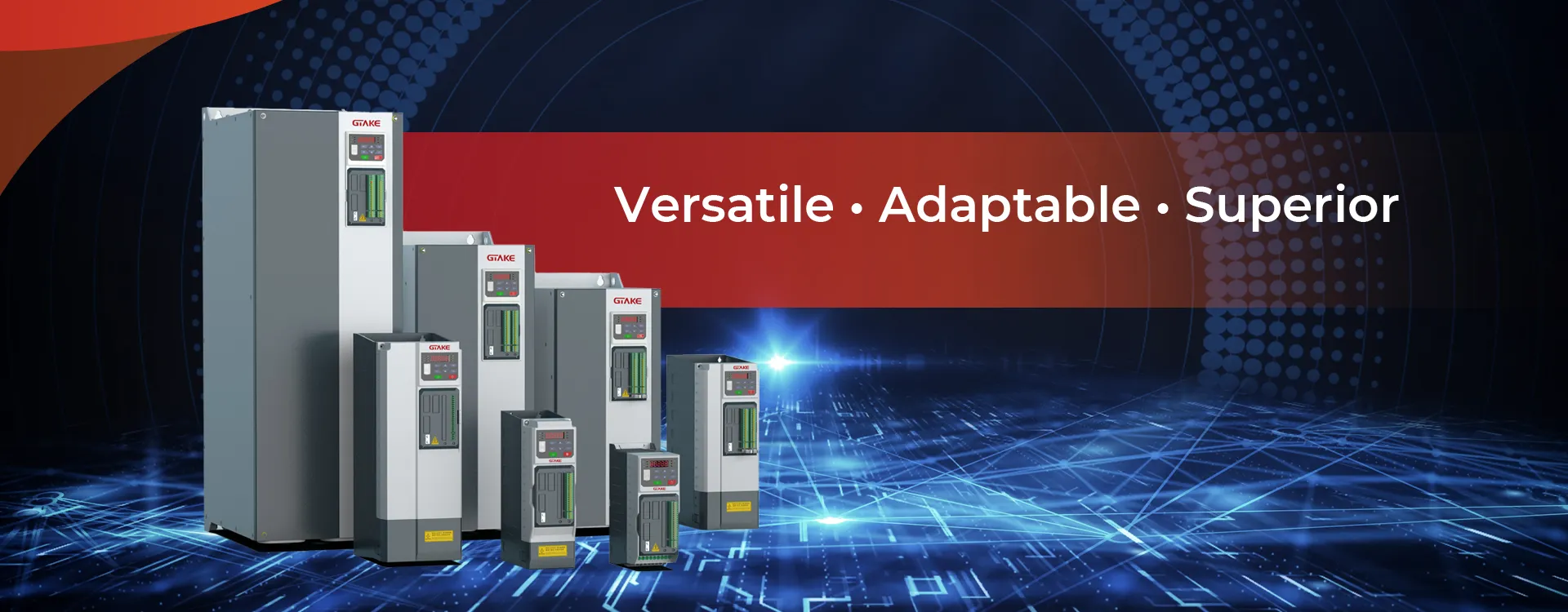
Elevator inverter is a key motor control solution for modern elevator systems, regulating motor speed, torque, acceleration, and deceleration throughout the elevator travel cycle. Also known as an elevator VFD, elevator drive, or lift inverter, it supports smooth movement, accurate stopping, comfortable rides, and efficient motor operation.
GTAKE provides elevator inverter solutions for different elevator applications, including passenger elevators, residential elevators, commercial buildings, high-rise buildings, and freight elevators.
Elevator Inverter Solutions
An elevator inverter converts electrical power into controlled output for the elevator motor. By adjusting motor frequency, voltage, speed, and torque, it helps the elevator system manage different operating stages from startup and acceleration to constant-speed travel, deceleration, and stopping.
Depending on the market or application, users may search for the same type of motor control equipment using different terms, including:
- Elevator Inverter
- Elevator VFD
- Elevator Drive
- Elevator AC Drive
- Lift Inverter
- Lift VFD
- Lift Frequency Inverter
Although terminology varies, the main purpose is to provide reliable elevator motor control according to the motor, load, speed, feedback, and system requirements.
Elevator Inverter Applications
Different elevator systems have different requirements for speed control, torque control, ride comfort, floor leveling, energy efficiency, and motor protection.
Passenger Elevators
Passenger elevators require smooth movement, controlled acceleration and deceleration, and accurate stopping. An appropriate elevator inverter helps regulate motor operation throughout the travel cycle to support ride comfort and reliable floor-to-floor movement.
Residential Elevators
Residential elevators are commonly used in houses, apartments, and residential buildings. Key requirements may include quiet operation, smooth starting and stopping, compact integration, and stable motor control.
Commercial Elevators
Office buildings, hotels, shopping centers, and other commercial facilities often require elevators to operate frequently under changing passenger loads. Elevator VFDs can provide controlled motor operation for consistent speed regulation, acceleration, deceleration, and stopping.
High-Rise Elevators
High-rise elevators operate over greater travel distances and may require higher speeds and precise control. The elevator drive needs to provide suitable speed regulation, torque response, acceleration control, and braking performance for the elevator system.
Freight Elevators
Freight elevators are designed to transport heavier and more variable loads. Their drive systems may require suitable starting torque, overload capability, speed control, and motor protection to accommodate different loading conditions.
Machine-Room-Less Elevators
Machine-room-less (MRL) elevators integrate the traction equipment into the elevator shaft or related structure instead of using a dedicated machine room. Suitable compact elevator drive solutions can support integration with compatible motors and control systems.
Elevator Motor Control Requirements
The performance of an elevator depends on the coordination between the elevator inverter, motor, controller, brake, feedback system, and mechanical components.
Speed Control
Accurate elevator speed control allows the motor to operate at different speeds during startup, acceleration, constant-speed travel, deceleration, and stopping.
Stable speed regulation is particularly important for elevators that require consistent travel performance and accurate floor leveling.
Torque Control
Elevator torque control determines how effectively the motor responds to changing loads and operating conditions.
Appropriate torque control can help the elevator motor handle startup loads, acceleration, deceleration, and variable passenger or cargo loads.
Acceleration and Deceleration
Controlled acceleration and deceleration are essential for elevator ride quality.
An elevator drive can use different acceleration profiles, including S-curve acceleration and deceleration, to reduce sudden changes in speed and improve passenger comfort.
Floor Leveling
Floor leveling refers to accurately aligning the elevator car with the target floor.
During the final approach to a floor, the drive needs to control motor speed and torque precisely so that the elevator can transition from traveling speed to stopping speed in a controlled manner.
Ride Comfort
Elevator ride comfort is affected by acceleration, deceleration, jerk, vibration, speed fluctuation, and stopping performance.
Proper elevator inverter control helps coordinate these parameters and provides smoother transitions throughout the elevator travel cycle.
Motor Protection
An elevator drive can integrate protection functions such as overcurrent protection, overvoltage protection, overload protection, overheating protection, and other monitoring functions according to its design.
These functions help maintain stable motor operation and provide protection against abnormal operating conditions.
Elevator Inverter Technologies
Different elevator applications require different levels of motor control and feedback.
V/f Control
V/f control regulates the relationship between motor voltage and frequency. It can be used for applications where basic variable-frequency motor control is sufficient.
Sensorless Vector Control
Sensorless vector control provides more advanced control of motor speed and torque without requiring a mechanical speed encoder.
It can be used when an application requires improved speed regulation and torque performance while maintaining a relatively simple feedback configuration.
Closed-Loop Vector Control
Closed-loop vector control uses motor feedback to improve the accuracy of speed, torque, and positioning control.
It can be considered for applications with more demanding requirements for speed accuracy, low-speed control, positioning, and dynamic response.
PMSM Motor Control
Permanent magnet synchronous motors (PMSM) are widely used in modern gearless elevator systems.
When selecting an elevator inverter for PMSM, the drive, motor, encoder, controller, and braking system should be evaluated as a complete system.
Encoder Feedback
Encoder feedback provides the elevator drive with motor speed or position information.
This feedback can support more precise closed-loop speed control, torque control, and positioning when required by the elevator system.
Regenerative Braking
During certain elevator operating conditions, the motor can enter a regenerative state and generate electrical energy during deceleration.
A suitable regenerative elevator drive or braking configuration can manage this energy according to the system architecture, helping improve overall elevator energy efficiency.
How to Select an Elevator Inverter
Choosing an elevator inverter requires consideration of the complete elevator system rather than motor power alone.
Motor Type
Determine whether the elevator uses an asynchronous motor or PMSM motor, and confirm that the inverter supports the required motor control method.
Motor Power and Rated Current
The inverter’s rated power and output current should match the motor specifications and actual elevator load requirements.
Elevator Speed
Consider the required elevator travel speed, acceleration, deceleration, and operating frequency range.
Starting Torque
For elevators with significant starting loads, evaluate the inverter’s starting torque capability and low-speed torque performance.
Feedback Configuration
Determine whether the system requires sensorless control or closed-loop control with encoder feedback.
Floor Leveling Requirements
For applications requiring precise stopping, evaluate the inverter’s speed regulation, feedback capability, positioning functions, and leveling performance.
Braking Requirements
Consider whether the elevator system requires dynamic braking, regenerative braking, or another energy-management configuration.
Installation Environment
The selection should also consider ambient temperature, humidity, altitude, ventilation, enclosure requirements, and available installation space.
GTAKE Elevator Inverter Products
GTAKE provides dedicated elevator AC drive products for compatible elevator applications.
GK620E Elevator Dedicated AC Drive
GK620E Elevator Dedicated AC Drive is designed for passenger elevators and freight elevators used in residential buildings, shopping malls, office buildings, and other vertical transportation applications.
The drive provides elevator-oriented motor control functions, including sensorless vector control, S-curve acceleration and deceleration, speed regulation, and other functions required for elevator operation.
[View GK620E Elevator Dedicated AC Drive →]
For users searching for an elevator inverter, elevator VFD, lift inverter, or elevator AC drive, GK620E provides a dedicated option for compatible elevator systems.
Elevator Control Solutions & Resources
An elevator inverter normally operates as part of a larger elevator control system. The drive works together with the elevator controller, motor, brake, feedback devices, and other electrical and mechanical components.
GTAKE provides an elevator control solution based on its dedicated elevator drive technology, covering motor control and elevator operating requirements.
Elevator Control Solution
The GK620E Elevator Control Solution is designed around elevator traction applications and addresses requirements related to elevator operation, ride comfort, emergency operation, commissioning, and fault diagnosis.
Elevator Motor Control Resources
For users researching elevator inverter technology, related resources can cover topics such as:
- Elevator VFD selection
- Elevator motor control
- PMSM elevator motor control
- Elevator speed control
- Elevator floor leveling
- Elevator regenerative braking
- Elevator drive troubleshooting
- Elevator control systems
These topics can help users understand the relationship between the elevator inverter, motor, controller, and complete elevator system.
Frequently Asked Questions About Elevator Inverters
What is an elevator inverter?
An elevator inverter is a motor drive that regulates the speed, torque, frequency, and voltage supplied to an elevator motor. It controls motor operation during starting, acceleration, travel, deceleration, and stopping.
Is an elevator inverter the same as an elevator VFD?
In many AC motor applications, elevator inverter, elevator VFD, elevator drive, and lift inverter are used to describe variable-frequency motor drive equipment used in elevator systems.
What does an elevator inverter control?
An elevator inverter primarily controls motor speed, torque, acceleration, and deceleration. Depending on the drive and system configuration, it can also support functions related to floor leveling, positioning, braking, feedback, and motor protection.
What is floor leveling?
Floor leveling is the process of accurately positioning the elevator car at the target floor. The elevator drive controls motor speed and torque during the final approach and stopping process.