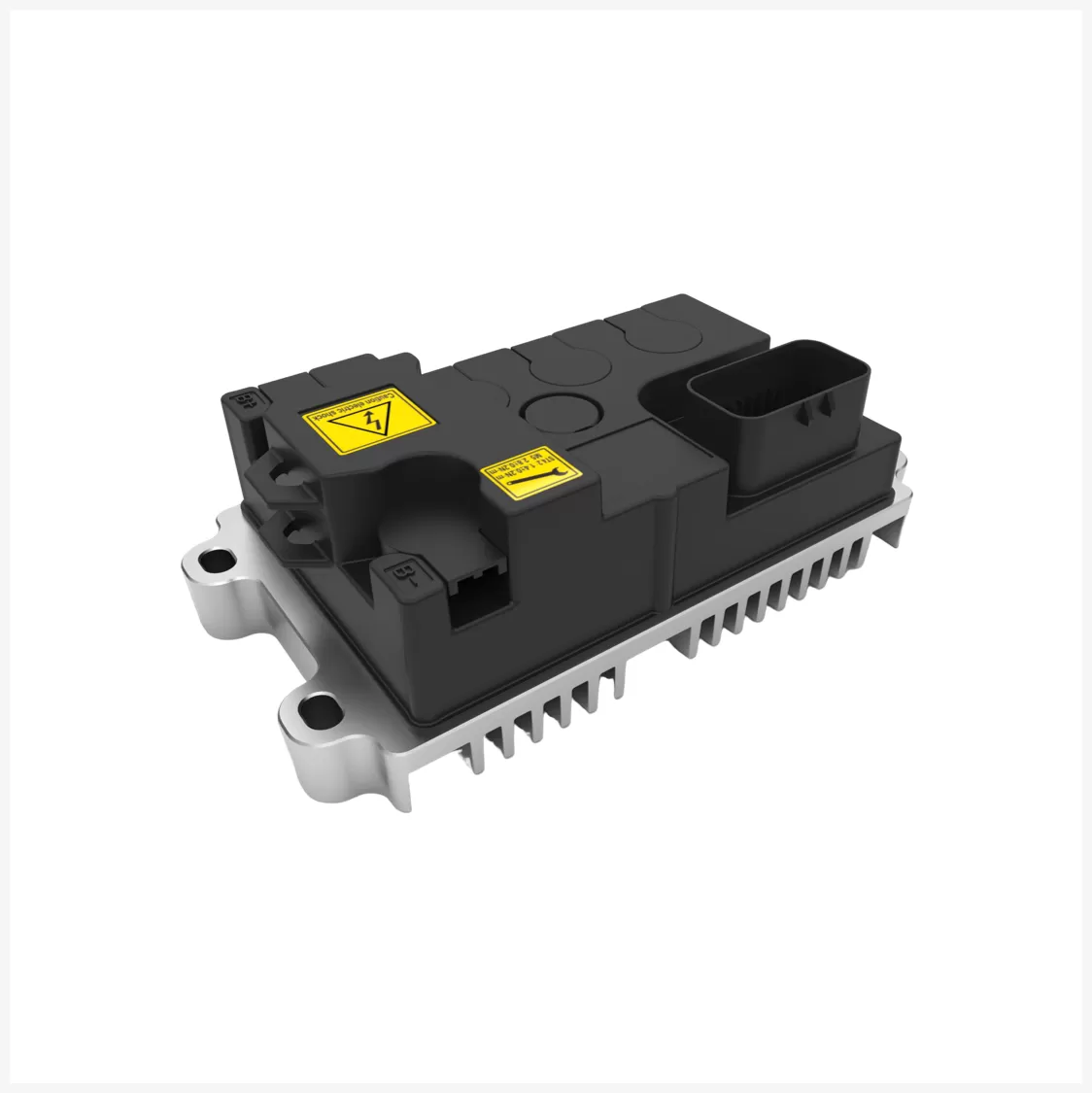
Electric Vehicle Motor Controller: Revolutionizing EV Performance
An Electric Vehicle Motor Controller is a crucial component in electric vehicles (EVs), ensuring optimal control and performance of the electric motor. It manages the flow of electricity between the battery and the motor, regulating the vehicle’s speed, acceleration, and overall efficiency. By providing precise control over motor functions, the motor controller plays a significant role in improving the driving experience and extending the lifespan of the vehicle.
What is an Electric Vehicle Motor Controller?
The Electric Vehicle Motor Controller is a sophisticated device that governs the performance of the electric motor in an EV. It converts signals from the driver (such as throttle input) into electrical commands that regulate the motor’s speed and torque. By doing so, it ensures smooth acceleration, braking, and energy efficiency. It also provides critical protection features, such as overcurrent and temperature monitoring, ensuring safe operation.
Key Functions of an Electric Vehicle Motor Controller
The motor controller in an electric vehicle performs several key functions to enhance motor performance:
- Speed Control: The controller adjusts the power supply to the motor, providing smooth and efficient speed control according to the driver’s input.
- Torque Control: It manages the motor’s torque, ensuring that the vehicle accelerates smoothly and performs well under different load conditions.
- Energy Regeneration: During braking or deceleration, the controller can manage regenerative braking, converting kinetic energy back into electrical energy to recharge the battery.
- Battery Management: It ensures the motor operates within the battery’s safe voltage range, optimizing battery life and efficiency.
- Temperature Monitoring: The controller constantly monitors the motor and controller temperatures, protecting against overheating and preventing damage.
Types of Electric Vehicle Motor Controllers
There are different types of motor controllers designed for various electric vehicle applications:
1. AC Motor Controller
AC motor controllers are commonly used in electric vehicles that employ three-phase AC motors. They regulate the frequency of the current supplied to the motor, offering efficient speed control and high torque at various speeds.
2. DC Motor Controller
DC motor controllers are used in vehicles that use direct current (DC) motors. These controllers adjust the voltage and current to regulate the motor speed, making them suitable for lighter electric vehicles or smaller applications.
3. Permanent Magnet Synchronous Motor (PMSM) Controller
For electric vehicles that use PMSMs, which are known for their high efficiency and compact size, these controllers provide precise speed and torque control, improving the vehicle’s overall performance and range.
4. Brushless DC Motor (BLDC) Controller
Brushless DC motor controllers manage the operation of BLDC motors, which are widely used in electric vehicles for their efficiency and durability. The controllers optimize the motor’s performance and provide smooth and reliable operation.
Benefits of Electric Vehicle Motor Controllers
Electric Vehicle Motor Controllers offer several advantages for EV manufacturers and users:
1. Improved Efficiency
The motor controller ensures that the motor operates at optimal efficiency, which directly impacts the vehicle’s range and energy consumption. By regulating the motor’s speed and torque precisely, it minimizes energy waste and maximizes battery usage.
2. Enhanced Driving Experience
Motor controllers enable smooth acceleration, deceleration, and regenerative braking, providing an enhanced driving experience with minimal noise and vibration.
3. Increased Safety
With built-in safety features such as thermal protection, overcurrent protection, and fault detection, electric vehicle motor controllers help prevent damage to the motor and battery, ensuring safe operation under various driving conditions.
4. Longer Motor and Battery Life
By regulating the motor’s performance and preventing overheating, the controller contributes to the longevity of both the motor and the battery, reducing maintenance costs and improving the vehicle’s overall durability.
5. Compact and Lightweight
Modern electric vehicle motor controllers are designed to be compact and lightweight, allowing for more efficient use of space and reducing the overall weight of the vehicle, which further enhances performance and energy efficiency.
Applications of Electric Vehicle Motor Controllers
Electric Vehicle Motor Controllers are used in a wide range of electric vehicles and other transportation systems:
- Passenger Electric Vehicles: Controllers are used in EVs to regulate the motor and provide a smooth and efficient driving experience.
- Electric Buses: Public transportation buses that run on electric power utilize motor controllers to regulate the motor performance, ensuring reliability and efficiency over long distances.
- Electric Motorcycles: Controllers are essential in managing the speed and torque of electric motorcycles, offering smooth acceleration and handling.
- Electric Trucks: Large electric trucks rely on powerful motor controllers to manage the performance of their electric motors, ensuring optimal power delivery and torque control for heavy-duty operations.
- Electric Scooters: Smaller electric vehicles, such as scooters and e-bikes, benefit from compact and efficient motor controllers to optimize performance and extend battery life.
Why Choose an Electric Vehicle Motor Controller?
When selecting an electric vehicle motor controller, it is essential to choose a product that is reliable, efficient, and compatible with the specific motor type used in the EV. A well-designed motor controller ensures that your electric vehicle performs optimally, offering enhanced driving experiences, longer range, and improved energy efficiency.
For top-quality Electric Vehicle Motor Controllers, choose [Your Company], where we specialize in providing cutting-edge solutions for EV motor control, tailored to meet the unique demands of your electric vehicle applications.