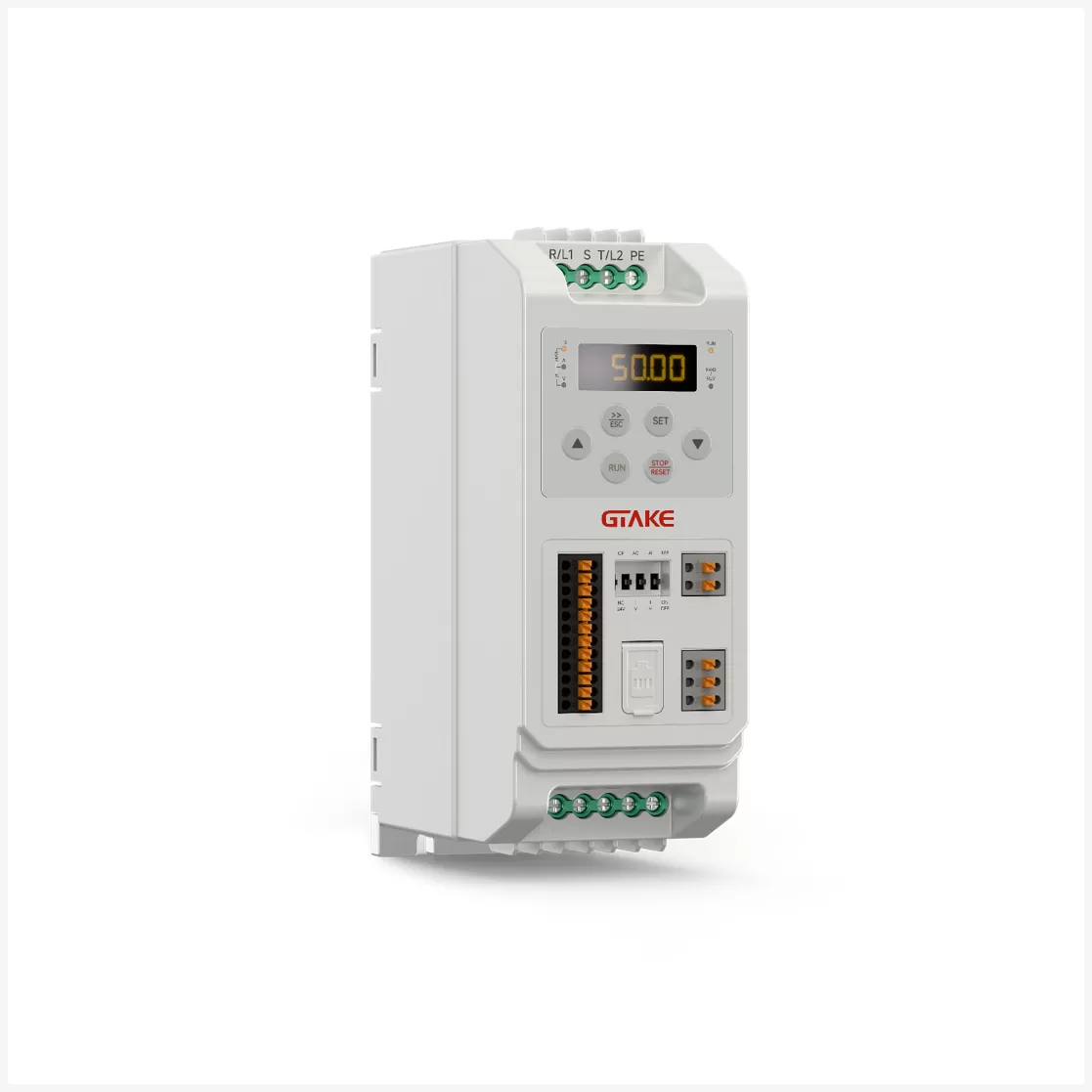
Electrical Motor Controller: Efficient Control for Optimal Motor Performance
An Electrical Motor Controller is a critical device used to regulate and control the operation of electric motors in various applications. Whether in industrial machinery, household appliances, or electric vehicles, motor controllers help manage motor speed, torque, direction, and safety. By adjusting the electrical input, they ensure that motors operate efficiently and perform according to the specific needs of each application.
What is an Electrical Motor Controller?
An Electrical Motor Controller is a system that controls the operation of an electric motor by regulating the voltage, current, and frequency of power supplied to the motor. It is responsible for functions such as starting, stopping, speed control, and reversing the motor’s direction. The controller can be used for AC (alternating current) or DC (direct current) motors and is essential for optimizing motor performance and efficiency in various sectors.
Key Functions of an Electrical Motor Controller
Electrical motor controllers are designed to perform several key functions that enhance motor operation:
- Speed Control: Motor controllers can adjust the speed of the motor by controlling the frequency and voltage of the power supplied, providing variable speed capabilities for precise operations.
- Torque Control: It ensures the motor operates within its rated torque limits, protecting it from overload and preventing damage.
- Start and Stop: Motor controllers provide smooth start-up and shutdown, minimizing mechanical stress on the motor and extending its life.
- Direction Control: Controllers can reverse the motor’s direction when required, enabling versatility in operations like conveyor systems or electric vehicles.
- Protection and Safety: Most controllers include protective features like overcurrent, overvoltage, and temperature protection, preventing damage and ensuring safe operation.
Types of Electrical Motor Controllers
Motor controllers are available in several types, each tailored to different applications and motor types:
1. AC Motor Controller
Used for controlling AC motors, these controllers adjust the voltage and frequency of the power supplied to the motor, offering smooth and efficient control over motor speed and performance. AC motor controllers are commonly used in industrial fans, pumps, and HVAC systems.
2. DC Motor Controller
DC motor controllers are used to regulate the voltage and current in DC motors. These controllers are ideal for applications requiring precise speed control, such as robotics, electric vehicles, and small appliances.
3. Variable Frequency Drive (VFD)
A VFD is a type of motor controller used specifically for AC motors. It adjusts the frequency of the power supplied to the motor, allowing for precise speed control. VFDs are used in various applications, including HVAC systems, pumps, and fans.
4. Stepper Motor Controller
Stepper motor controllers provide precise control of stepper motors, which are used in applications requiring precise positioning and movement, such as 3D printers and CNC machines.
5. Brushless DC (BLDC) Motor Controller
These controllers are used for brushless DC motors, offering high efficiency, low maintenance, and precise control. They are commonly found in applications such as drones, electric vehicles, and robotics.
Benefits of Electrical Motor Controllers
Using an Electrical Motor Controller provides several advantages, including:
Energy Efficiency
Motor controllers ensure that motors operate at optimal efficiency, reducing energy consumption and operational costs. They adjust motor speed based on the load, minimizing wasteful energy use.
Extended Motor Life
By providing smooth starts, stops, and controlled operation, motor controllers help prevent wear and tear, thereby extending the lifespan of the motor.
Improved Performance
With the ability to control motor speed, torque, and direction, motor controllers enhance the overall performance of electric motors, ensuring that they meet the specific requirements of each application.
Increased Safety
Motor controllers offer built-in protection against overloads, short circuits, and overheating. These safety features prevent damage to the motor and controller, improving overall system reliability.
Cost-Effective
By optimizing energy consumption and reducing maintenance costs, motor controllers help businesses save money in the long term. The ability to control motor speed also reduces wear on other system components.
Applications of Electrical Motor Controllers
Electrical motor controllers are used in a wide variety of applications across different industries:
- Industrial Automation: In manufacturing, motor controllers are used to control motors in assembly lines, conveyor systems, and robotic arms.
- HVAC Systems: Motor controllers are used in heating, ventilation, and air conditioning (HVAC) systems to regulate fan speeds and optimize energy usage.
- Electric Vehicles (EVs): EVs use motor controllers to regulate the motor’s performance, ensuring smooth acceleration and deceleration, as well as efficient battery use.
- Home Appliances: Motor controllers are used in washing machines, refrigerators, and fans to control motor speed and performance.
- Renewable Energy Systems: Motor controllers are used in wind turbines and solar-powered systems to regulate the motors that convert energy into electricity.
- Robotics: In robotic systems, motor controllers provide precise control over the movement of servos and stepper motors for accurate and coordinated actions.
Why Choose an Electrical Motor Controller?
When selecting a motor controller, it’s essential to consider factors such as efficiency, durability, and application-specific features. Choosing a high-quality motor controller ensures that your system operates smoothly, reduces downtime, and extends the life of your motor.
For optimal control, reliability, and efficiency, consider working with a reputable manufacturer of electrical motor controllers, such as [Your Company], where we provide tailored solutions for your motor control needs.