A bidirectional AC/DC converter allows electrical power to move between an AC system and a DC system in either direction. Depending on the application, it can operate as an AC-to-DC converter when power is supplied to the DC side, or as a DC-to-AC converter when energy needs to return to an AC system.
This type of power conversion is useful when a system needs more than one-way energy transfer. Battery testing, energy storage, regenerative power systems, electric vehicle testing, and other power electronics applications may require controlled power flow between AC and DC sides.
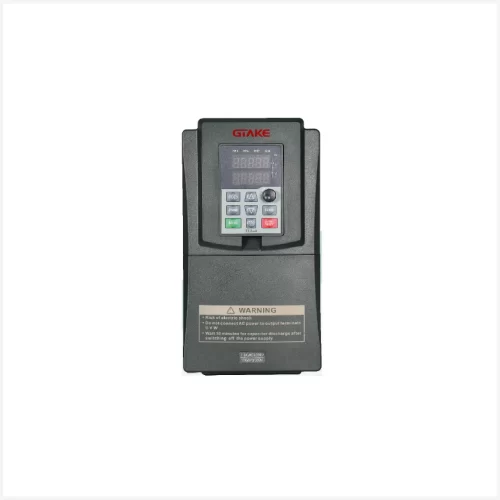
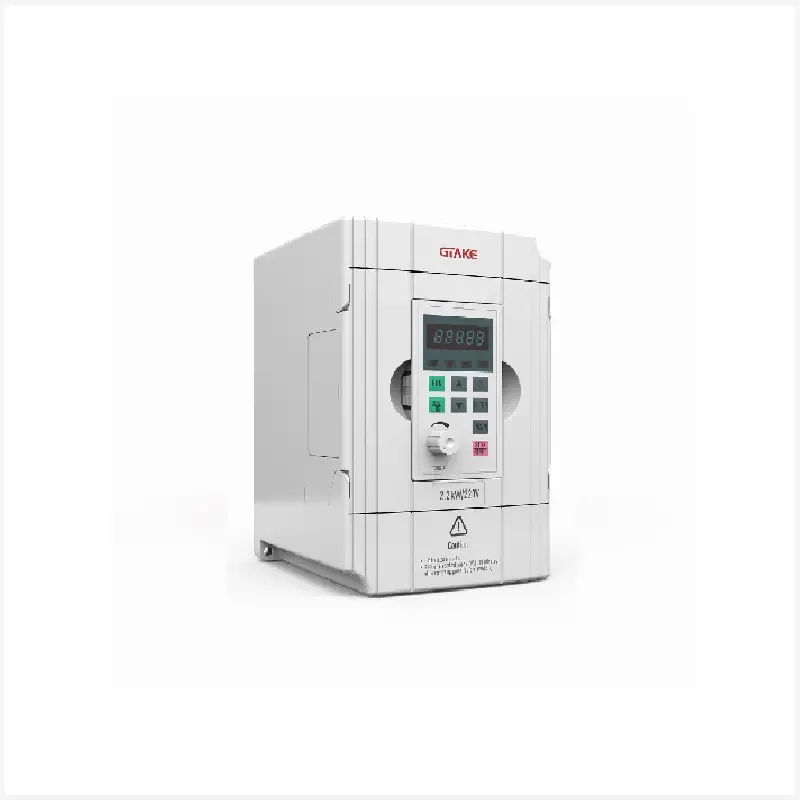
GTAKE develops bidirectional power conversion and testing solutions for industrial and new-energy applications, including systems that require controlled energy flow, power regeneration, and programmable electrical conditions.
What Is a Bidirectional AC/DC Converter?
A bidirectional AC/DC converter is a power conversion system designed to control electrical energy in both directions between an AC side and a DC side.
In one operating condition, AC power is converted into DC power. This mode can be used to supply a DC load, charge an energy storage device, or establish a controlled DC bus.
When the power flow is reversed, DC energy can be converted back into AC power. This is useful when energy needs to be returned to the AC side instead of being dissipated as heat.
The important part is not simply the direction of conversion. A practical bidirectional AC/DC converter also needs to manage voltage, current, power flow, and operating transitions according to the requirements of the connected system.
How Bidirectional AC/DC Power Conversion Works
A typical system contains a controlled power conversion stage between the AC and DC sides. Semiconductor switches and control algorithms determine how electrical energy is transferred.
AC to DC Operation
During AC-to-DC conversion, AC input power is converted into controlled DC output power.
The converter regulates the DC-side voltage and current according to the operating requirements. In applications such as battery testing or DC power systems, the ability to precisely control the output can be more important than simply providing a fixed DC voltage.
DC to AC Operation
During DC-to-AC conversion, energy from the DC side is transferred back to the AC side.
This operating mode is useful when a DC source or load can return energy to the system. Instead of dissipating recovered energy through a resistor, a suitable bidirectional converter can transfer the energy back to the AC network under controlled conditions.
Controlled Power Flow
A major advantage of a bidirectional power converter is that the direction and level of power can be controlled according to system requirements.
The control system can monitor electrical parameters such as voltage, current, frequency, and power, then adjust the switching operation of the converter.
This approach is particularly useful in test systems where the electrical source and load conditions change repeatedly.
Bidirectional AC/DC Converter vs. Conventional Converter
A conventional AC/DC converter is normally designed around one primary direction of power conversion.
For example, an AC source may be converted into DC power for a DC load. If the load later returns energy, a separate circuit may be required to handle that energy.
A bidirectional AC/DC converter is designed for power flow in both directions. This can simplify systems where charging and discharging, sourcing and sinking, or energy recovery are both required.
The appropriate topology still depends on the voltage, power, isolation, control, and application requirements.
Key Features of Bidirectional AC/DC Converters
The required functions vary between applications, but several characteristics are particularly important when selecting a bidirectional AC/DC converter.
Bidirectional Power Flow
The converter must support controlled power transfer in both directions. This is the defining characteristic of a bidirectional power converter.
Four-Quadrant Operation
Some systems require power flow to change not only direction but also operating condition. Four-quadrant operation can support both positive and negative voltage/current combinations and is commonly associated with applications involving regenerative energy and dynamic electrical testing.
For these systems, the converter can act as both a power source and an energy sink.
Regenerative Energy Recovery
When a DC-side device returns energy, a regenerative converter can transfer that energy back to the AC side.
This is useful for equipment that repeatedly accelerates and decelerates, or for test systems where the device under test can generate electrical energy.
Adjustable Voltage and Current
A programmable or adjustable AC/DC power converter can provide different operating conditions for the connected equipment.
For testing applications, control over DC voltage, DC current, and power limits allows engineers to reproduce different operating conditions without changing the hardware setup.
Fast Dynamic Response
Dynamic response becomes important when the power demand changes quickly.
Applications such as EV motor testing, battery testing, and regenerative equipment may involve rapid changes in voltage, current, or power. The converter needs to respond to these changes without causing unnecessary instability on the AC or DC side.
Protection Functions
A suitable bidirectional converter should provide protection against abnormal operating conditions. Depending on the equipment design, this can include overvoltage protection, overcurrent protection, overload protection, overtemperature protection, and fault monitoring.
Bidirectional AC/DC Converter Applications
The application determines how the converter should be configured. A system used for energy storage has different requirements from one used as a laboratory power supply or an EV test platform.
Battery Testing
In battery testing systems, the converter may need to charge the battery during one test stage and absorb energy from the battery during another.
A bidirectional battery power converter can therefore work as both a controlled power source and an energy sink. This makes it suitable for charge/discharge testing, performance evaluation, and repeated test cycles.
For high-power battery testing, regenerative operation can also reduce the amount of energy that would otherwise be lost as heat.
Energy Storage Systems
An energy storage system needs controlled power transfer between the battery and the electrical network.
During charging, AC power can be converted to DC power and supplied to the battery. During discharge, energy stored on the DC side can be converted back to AC power.
A bidirectional AC/DC converter can therefore act as an interface between the battery system and the AC power network.
Electric Vehicle Testing
Electric vehicle development involves repeated tests of batteries, motors, inverters, and other electrical components.
A bidirectional power converter can be used in test equipment where electrical energy needs to move between the AC grid and a DC test system.
For example, a test platform may supply controlled DC power to a device under test and then recover energy generated during another operating stage.
EV Motor and Inverter Testing
EV motor testing and inverter testing can involve frequent changes in operating conditions.
When a motor or inverter returns energy during regenerative operation, a regenerative AC/DC converter can absorb that energy and return it to the AC network.
This reduces the need for conventional resistive energy dissipation and can make repeated testing more energy efficient.
Regenerative Test Systems
A regenerative test system uses controlled power conversion to recycle energy generated by the device under test.
This approach is useful in high-power testing because the same electrical energy can potentially be transferred back to the grid rather than converted entirely into heat.
Applications include motor test benches, inverter testing, power electronics testing, and electric vehicle component testing.
DC Power Supply and DC Load Applications
Some systems need a power source during one operating stage and a controlled load during another.
A bidirectional DC power supply or bidirectional AC/DC power converter can support both conditions, making it useful for programmable test equipment and power electronics laboratories.
Bidirectional AC/DC Converter for Energy Recovery
Energy recovery is one of the main reasons for using a bidirectional converter.
Consider a motor test system. During acceleration, electrical power is supplied to the motor. During deceleration, the motor can return electrical energy to the DC bus.
With a conventional setup, this energy may need to be dissipated through a braking resistor.
With a suitable regenerative power converter, the recovered energy can instead be transferred through the conversion stage and returned to the AC system.
This can reduce energy loss, lower the thermal load associated with resistive braking, and make high-cycle testing more practical.
Bidirectional AC/DC Converter in Test Equipment
Test equipment places particularly high demands on a power converter because the converter is not simply supplying a fixed load.
A test system may need to:
- Change voltage during a test sequence
- Adjust current according to the device under test
- Switch between source and sink operation
- Absorb regenerative energy
- Repeat charge and discharge cycles
- Respond quickly to changing power demands
- Record electrical parameters for later analysis
For this reason, bidirectional AC/DC converters are commonly considered for programmable power supplies, battery test systems, EV test benches, motor test rigs, and other power electronics test equipment.
How to Select a Bidirectional AC/DC Converter
The converter should be selected according to the electrical and mechanical requirements of the complete system rather than its nominal power rating alone.
Power Rating
Check the required continuous power and peak power in both directions. A system may require different source and sink power levels depending on the application.
AC Input and Output Requirements
Consider the available AC voltage, frequency, phase configuration, and grid connection requirements.
DC Voltage and Current Range
The DC-side operating range should match the battery, DC bus, inverter, motor controller, or other connected equipment.
Regenerative Requirements
If the application involves returned energy, determine how much regenerative power needs to be absorbed and whether that energy should be dissipated or returned to the AC network.
Dynamic Response
Applications such as EV testing, motor testing, and power electronics testing may require fast changes in power. The converter’s response characteristics should therefore be considered during selection.
Control and Communication
Check whether the converter needs local control, remote control, programmable operation, data monitoring, or communication with a larger test or automation system.
Protection and Operating Environment
The installation environment, cooling conditions, operating temperature, overload requirements, and protection functions should all be considered before final selection.
Bidirectional AC/DC Converter for Modern Power Electronics
As more systems include batteries, regenerative loads, renewable energy, and electrified equipment, one-way power conversion is not always sufficient.
A bidirectional AC/DC converter provides a controlled interface between AC and DC systems when energy needs to move in either direction. Its value becomes particularly clear in energy storage, battery testing, EV testing, regenerative systems, and other applications where energy would otherwise be lost during reverse power flow.
For GTAKE, bidirectional power conversion is closely related to its work in power electronics, E-Mobility Test, motor control, and new energy testing. These applications require more than simple AC-to-DC conversion; they often need controlled sourcing, energy absorption, and repeatable power-flow conditions.
Related GTAKE Power Conversion Solutions
Explore GTAKE’s related products and technical resources for applications involving bidirectional power conversion, regenerative energy, and electric mobility testing.
- Bidirectional DC Source – programmable DC power conversion for applications requiring controlled source and sink operation.
- E-Mobility Test – test solutions for electric vehicle, motor, inverter, and related powertrain components.
- Four Quadrant Drive – solutions for applications requiring bidirectional motor operation and regenerative braking.
- AC Drives & Four Quadrant Drives – industrial drive solutions for motor control and energy recovery.
- EV Motor Control Unit – motor control solutions for electric vehicles and e-mobility applications.
- Regenerative Power System – power conversion solutions for recovering energy from dynamic loads and test equipment.
A suitable bidirectional AC/DC converter should match the actual power-flow requirements of the system, including its AC and DC voltage ranges, current levels, regenerative conditions, control requirements, and operating cycle. For battery testing, EV testing, energy storage, and regenerative test systems, bidirectional power conversion provides the flexibility to source and absorb energy within the same system.