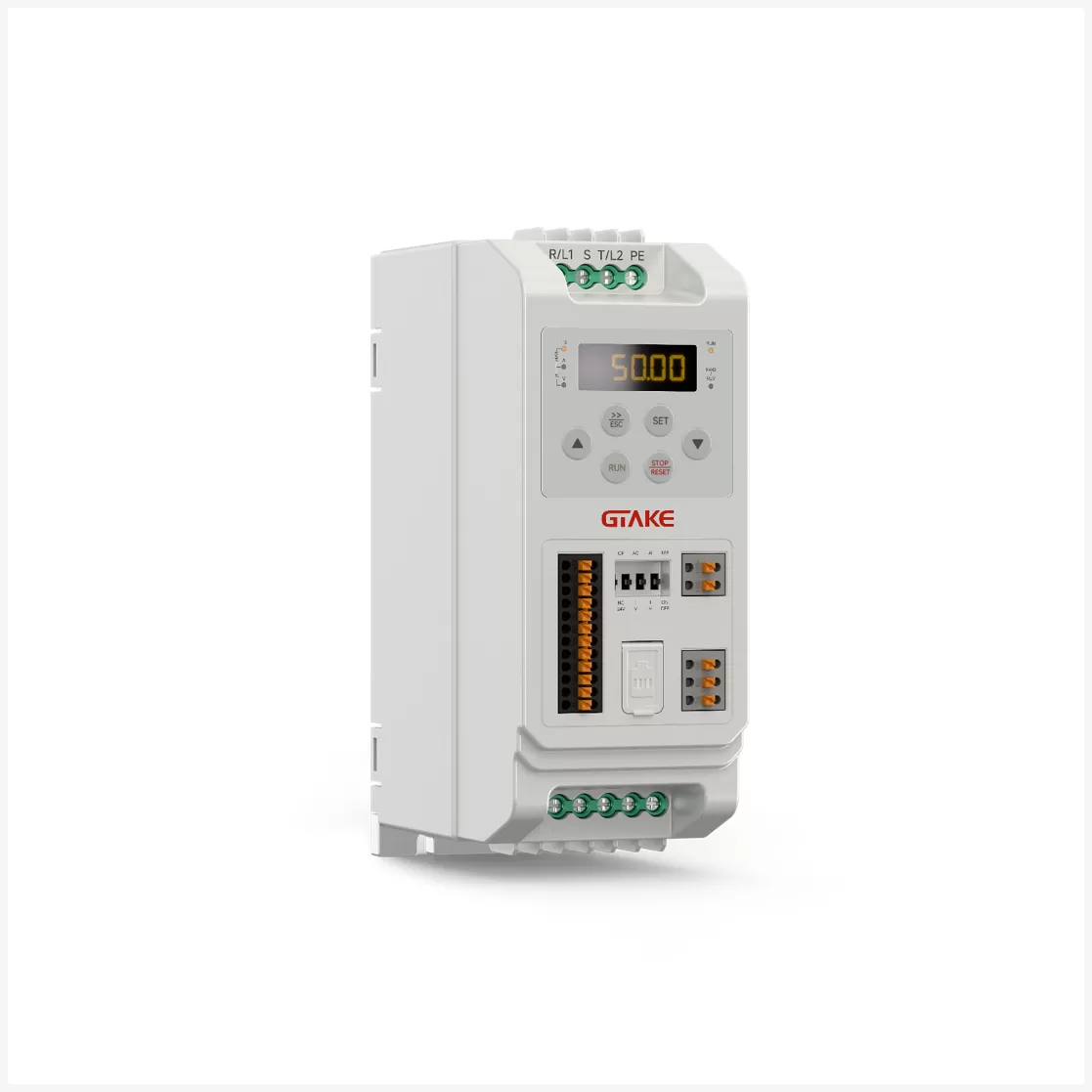
AC Electric Motor Speed Control
AC Electric Motor Speed Control refers to the methods and devices used to regulate the speed of an AC electric motor. This control is essential for applications that require adjustable motor speeds, ensuring optimal performance, energy efficiency, and operational flexibility. Whether it’s adjusting the speed of a fan, pump, or conveyor belt, AC motor speed control ensures that the motor operates at the correct speed under varying load conditions.
What is AC Electric Motor Speed Control?
AC Electric Motor Speed Control involves modifying the input to the motor, either by altering the frequency or voltage supplied to the motor. By controlling the motor speed, you can improve system efficiency, reduce energy consumption, and protect your motor from wear and tear. There are various methods for controlling AC motor speed, including frequency inverters, variable speed drives (VSD), and voltage controllers.
Types of AC Motor Speed Control
1. Frequency Control
Frequency control involves changing the frequency of the input voltage, which in turn changes the motor’s speed. This method is commonly used in variable frequency drives (VFD) to provide precise speed control, particularly in HVAC systems, pumps, and fans.
2. Voltage Control
Voltage control adjusts the voltage supplied to the motor, which can affect the motor speed and torque. This method is typically used for smaller motors or in applications where the motor operates under relatively consistent load conditions.
3. Pulse Width Modulation (PWM)
PWM is a technique used to control the average voltage applied to the motor. It involves rapidly switching the voltage on and off, which adjusts the motor speed by controlling the duty cycle. PWM is widely used in modern motor control systems, as it offers high efficiency and precision.
Benefits of AC Electric Motor Speed Control
1. Improved Energy Efficiency
By adjusting the motor speed to match the load demand, AC motor speed control systems significantly reduce energy waste. This is especially useful in applications like pumps, fans, and compressors where the speed doesn’t always need to be at maximum.
2. Enhanced Process Control
Speed control enables better regulation of industrial processes, ensuring that operations are carried out at the optimal speed for the task. This can lead to more consistent product quality and improved operational outcomes.
3. Reduced Wear and Tear
By enabling smooth acceleration and deceleration, AC motor speed control reduces mechanical stress on both the motor and the connected equipment. This prolongs the life of the motor and reduces maintenance costs.
4. Lower Operational Costs
Speed control can reduce energy consumption and maintenance costs, making it a cost-effective solution in the long term. By only using as much energy as needed for a specific task, AC motor controllers contribute to lower operational expenses.
Applications of AC Electric Motor Speed Control
- HVAC Systems (Heating, Ventilation, and Air Conditioning)
- Water Pumps
- Conveyor Systems
- Industrial Machinery
- Automated Production Lines
- Escalators and Elevators
- Fan Systems
- Elevators and Cranes
Why Choose Our AC Electric Motor Speed Control Solutions?
We offer state-of-the-art AC Electric Motor Speed Control solutions that ensure precise, efficient, and reliable motor control. Our systems are built to withstand harsh environments and provide optimal performance across a wide range of applications.
Our controllers are designed with energy efficiency in mind, helping to reduce electricity costs and enhance the overall productivity of your operations. Whether you need a standard solution or a custom-built controller, we have the experience and expertise to meet your requirements.
Contact Us for Custom AC Electric Motor Speed Control Solutions
If you’re looking for a tailored AC electric motor speed control system for your application, get in touch with us. Our team of experts will help you design and_