

In modern HVAC systems, cooling towers play a critical role in removing heat from chillers and maintaining stable cooling performance. However, traditional cooling tower fans often run at constant speed, regardless of actual load conditions. As a result, this leads to unnecessary energy consumption, unstable water temperature, and increased mechanical wear. Therefore, using a variable frequency drive (VFD) to control cooling tower fan speed has become a practical solution for improving efficiency and reliability.
How Cooling Tower Systems Work in Central Air Conditioning
To understand the value of VFD control, it is important to first examine how cooling tower systems operate. In a central air conditioning system, the cooling tower works with chillers, pumps, and pipelines to remove heat through a continuous water circulation process. Specifically, hot water from the condenser is pumped to the cooling tower and sprayed over heat exchange materials. Meanwhile, fans draw ambient air through the tower, allowing heat to dissipate through evaporation and airflow. After cooling, the water returns to the chiller to repeat the cycle. This process is essentially a heat exchange operation that must adapt to changing environmental and load conditions.
Key Factors Affecting Cooling Efficiency
In real operating conditions, cooling performance is influenced by several variables. For instance, wet-bulb temperature has a major impact on heat dissipation capability. When the wet-bulb temperature rises, more airflow is required to achieve the same cooling effect. Additionally, cooling water flow rate and temperature difference between inlet and outlet water also determine performance. Because these factors constantly change due to weather and building load, fan speed must be adjusted dynamically. Consequently, fixed-speed operation cannot maintain optimal efficiency under varying conditions.
Why Traditional Fan Control Methods Are Inefficient
Historically, airflow control relied on methods such as fan on-off cycling or mechanical dampers. However, these approaches restrict airflow rather than optimizing fan performance. For example, frequent start-stop cycles cause mechanical stress, while dampers waste energy by blocking air instead of reducing motor speed. As a result, the system either consumes excess electricity or fails to meet cooling demand. This is precisely where VFD technology offers a superior alternative.
How VFDs Control Cooling Tower Fan Speed
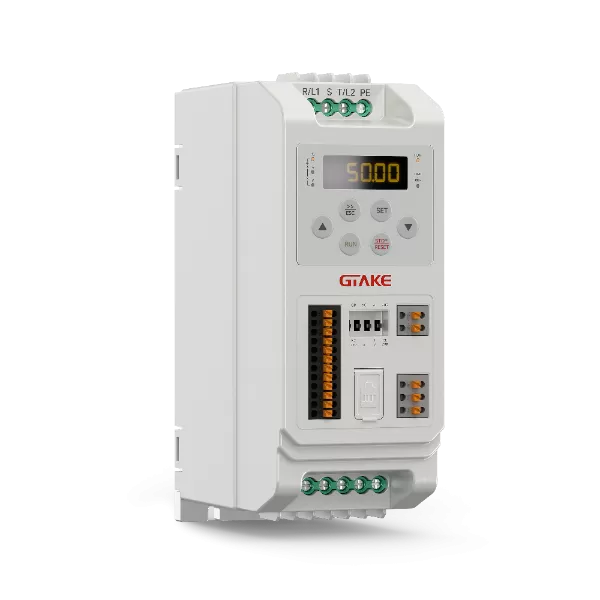
A VFD controls fan speed by adjusting the frequency of power supplied to the motor. In a cooling tower application, temperature sensors monitor the returning cooling water temperature and send feedback signals to the drive. Based on the preset temperature target, the VFD automatically increases or decreases motor speed. For example, when cooling demand rises, the fan accelerates to enhance heat dissipation. Conversely, when demand drops, the fan slows down to save energy and prevent overcooling. This closed-loop control ensures stable operation without manual intervention.
Intelligent Control and System Integration
Beyond simple speed control, VFD-based systems can integrate with building automation systems (BAS) or PLC controllers. This allows multiple fans and pumps to operate in coordination, optimizing overall system efficiency. Furthermore, intelligent control strategies can distribute load among equipment, reduce peak power demand, and maintain consistent cooling performance. Such integration supports the growing trend toward smart and energy-efficient HVAC infrastructure.
Energy Savings and Equipment Protection Benefits
One of the most significant advantages of using VFDs is energy savings. Because fan power consumption is closely related to speed, even a small reduction in speed can produce substantial electricity savings. In addition, soft starting and stopping reduce mechanical shock, extending the lifespan of motors, bearings, and gear components. Lower operating speeds also reduce noise levels and maintenance requirements. Over time, these benefits translate into lower operating costs and improved system reliability.
Typical Application Scenarios
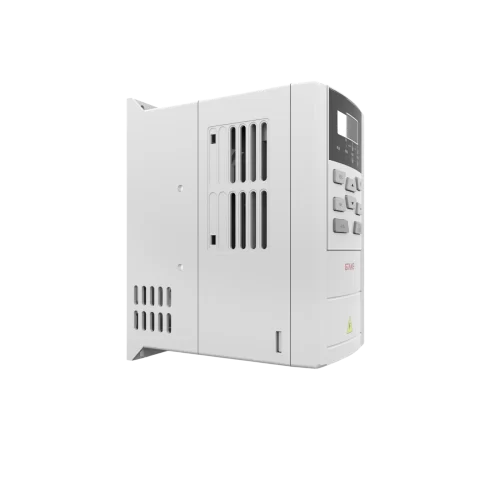
VFD-controlled cooling tower fans are widely used in commercial buildings, industrial facilities, data centers, hospitals, and large public infrastructure projects. In these environments, cooling demand fluctuates throughout the day, making variable speed control essential. Retrofitting existing systems with VFDs is also a common energy-saving upgrade that delivers quick returns on investment.
Conclusion
In summary, applying a variable frequency drive to cooling tower fan control significantly improves energy efficiency, temperature stability, and equipment lifespan. As HVAC systems continue to evolve toward smarter and greener operation, VFD technology has become a standard solution rather than an optional upgrade. Organizations seeking reliable cooling performance and lower operating costs should consider implementing VFD-based control strategies as a long-term investment.
If you are looking for a reliable solution to optimize your HVAC cooling systems, GTKE provides advanced variable frequency drive technologies designed for industrial and commercial applications. As an experienced VFD drive manufacturer, GTKE offers energy-efficient, stable, and intelligent drive solutions tailored to your cooling tower and fan control needs. Contact GTKE today to learn how our VFD products can improve your system performance and reduce energy costs.