

Pump systems are essential in industries such as municipal water supply, wastewater treatment, HVAC, agriculture, and manufacturing. These systems often operate continuously and consume a significant amount of electricity. However, many traditional pump installations run at constant speed regardless of actual demand. As a result, operators face high energy costs, unstable pressure, and frequent equipment failures. In this context, using a variable frequency drive (VFD) for pumps has become a proven solution for improving efficiency, reliability, and control.
Excessive Energy Consumption in Constant-Speed Pumps
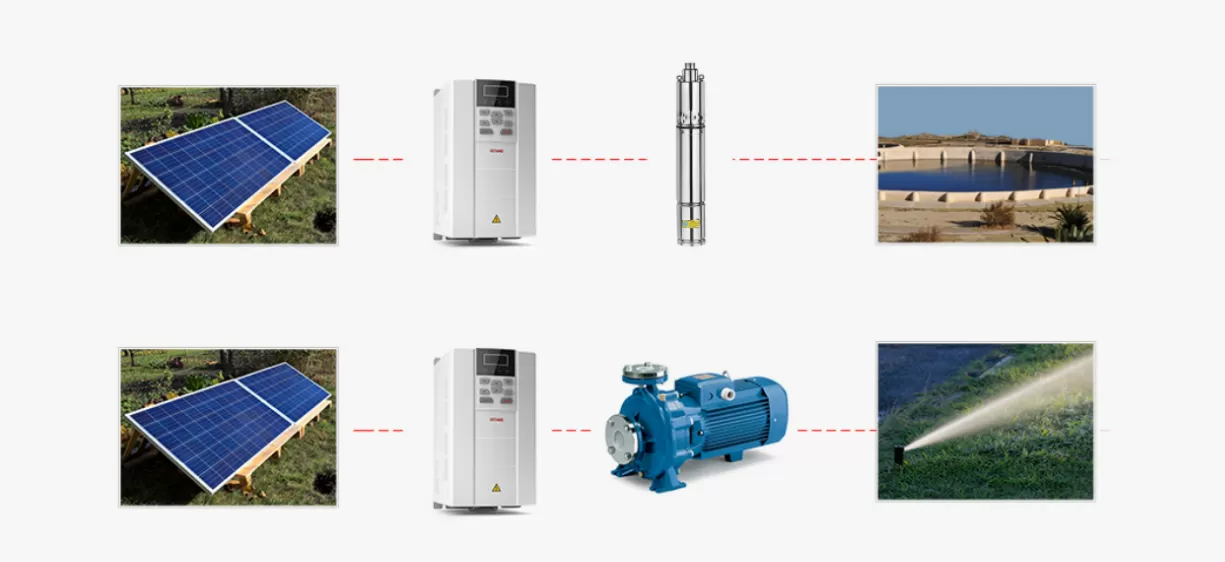
Energy waste is one of the most common pump system problems. Conventional pumps driven directly from the power supply run at full speed even when the required flow is lower. Consequently, excess flow is often throttled using valves, which wastes energy and increases wear. By contrast, a VFD adjusts motor speed according to real demand. This variable speed pump control approach significantly reduces power consumption, especially in applications with fluctuating load such as water distribution and cooling systems.
Water Hammer and Pressure Surges
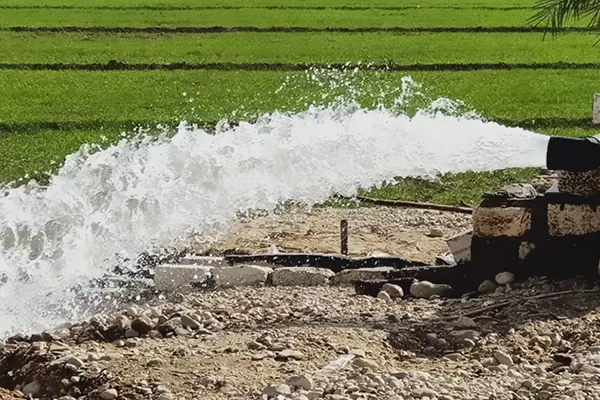
Another major issue is water hammer caused by sudden starts and stops. When a pump starts abruptly, it creates a pressure surge that can damage pipes, valves, and seals. Similarly, an instant shutdown can produce reverse flow and shock waves. Fortunately, a VFD provides soft start and soft stop functions. By gradually ramping the motor speed up and down, it reduces hydraulic shock and protects the entire pipeline system. Therefore, using a VFD for pumps helps extend infrastructure life and improve operational safety.
Mechanical Wear and Frequent Maintenance
Constant-speed operation increases mechanical stress on pump components. Bearings, seals, and impellers experience high loads during direct-on-line starting due to large inrush currents and sudden torque. Over time, this leads to frequent maintenance and unexpected downtime. With a VFD, acceleration is controlled smoothly, which lowers mechanical stress and reduces vibration. As a result, equipment lasts longer and maintenance costs decrease, making the system more cost-effective over its lifecycle.
Poor Flow and Pressure Control
Equally important, many pump systems struggle to maintain stable flow or pressure. For example, municipal water supply networks require constant pressure despite changing demand throughout the day. Traditional control methods cannot respond quickly to these variations. In contrast, modern VFDs can integrate PID control to automatically adjust speed and maintain set pressure levels. This constant pressure pump solution improves service quality and ensures stable operation in both industrial and commercial applications.
Cavitation and Overheating Risks
Operating pumps outside their optimal range can cause cavitation and overheating. Excessive speed or insufficient flow leads to vapor bubble formation, which damages impellers and reduces efficiency. Since a VFD allows precise speed adjustment, the pump can operate closer to its best efficiency point. Consequently, the risk of cavitation decreases, and thermal stress on the motor is minimized. This contributes to safer and more reliable pump operation.
Additional Operational Benefits
Beyond solving specific problems, VFDs provide several additional advantages. For instance, lower operating speeds reduce noise levels, which is beneficial in urban installations and indoor facilities. Moreover, modern drives support communication protocols for remote monitoring and automation integration. This enables predictive maintenance and better system management. From an industrial perspective, these smart pump control capabilities align with the trend toward digitalization and energy optimization.
How to Select the Right VFD for Pump Applications
Finally, selecting a suitable VFD requires careful consideration of application requirements. Key factors include motor power rating, load characteristics, environmental conditions, and control features. Reliability and technical support are also critical for long-term performance. Choosing an experienced supplier ensures proper configuration and integration, which ultimately determines the success of the project.
Conclusion: Transforming Pump Systems with VFD Technology
In summary, pump systems face challenges such as energy inefficiency, pressure instability, mechanical wear, and operational risks. Variable frequency drives address these issues by enabling precise speed control, smooth operation, and intelligent management. As industries continue to pursue energy savings and reliability, VFD technology has become an essential component of modern pump solutions.
As a professional VFD technology provider, GTAKE delivers advanced drive solutions for water supply, wastewater treatment, HVAC, and industrial pumping systems. If you are looking for a reliable partner to improve pump efficiency, reduce maintenance costs, and enhance system performance, contact GTAKE today for expert support and customized solutions.