

A Bidirectional DC Power Supply is becoming increasingly important in battery, electric vehicle and power electronics testing. Unlike a conventional DC power supply that mainly delivers energy, a bidirectional unit can both supply power and absorb energy returned by the device under test.
This matters when testing batteries, motors, inverters and power converters. These devices do not always consume power in one direction. During battery discharge or motor regeneration, energy can flow back into the test system.
Using separate power supplies and electronic loads can make the setup more complex. A bidirectional system can combine these functions and give engineers more control over changing power conditions.
This article explains how a Bidirectional DC Power Supply works, where engineers use one and what to consider before selecting a system.
What Is a Bidirectional DC Power Supply?
A Bidirectional DC Power Supply supports power flow in two directions.
In source mode, the unit supplies controlled DC power to the device under test. In sink mode, the unit absorbs electrical energy returned by the device.
This operating principle is useful in applications where equipment alternates between consuming and generating power.
Source Mode and Sink Mode
Source mode works like a conventional programmable DC power supply. Engineers can set voltage and current levels to simulate different operating conditions.
Sink mode works in the opposite direction. The system absorbs energy produced by the device under test.
For example, a motor may consume electrical energy while driving a load and return energy during regenerative operation. A battery also moves between charging and discharging states. Both situations require the test system to handle changing power directions.
Bidirectional vs Conventional DC Power Supplies
| Function | Conventional DC Power Supply | Bidirectional DC Power Supply |
|---|---|---|
| Supplies DC power | Yes | Yes |
| Absorbs returned energy | Usually no | Yes |
| Power flow direction | One direction | Two directions |
| Battery charge and discharge testing | Often requires additional equipment | Can support both modes |
| Regenerative testing | Limited | Suitable |
| Test setup | May require separate equipment | Can reduce equipment requirements |
The main advantage is not simply combining two operating modes. Engineers can build a more compact test system and manage changing power conditions with fewer devices.
How Does a Bidirectional DC Power Supply Work?
The operating principle is straightforward. The power conversion system changes its operating mode according to the direction of energy flow.
When the device needs power, the unit operates in source mode. When the device returns energy, the unit switches to sink mode.
Supplying Power to the Device Under Test
In source mode, the power supply provides controlled voltage and current.
Engineers commonly use this mode to:
- Simulate a battery or DC bus
- Supply power to motor controllers
- Test DC to DC converters
- Create programmable voltage conditions
- Run component validation tests
Programmable control helps engineers repeat the same test conditions and compare results more reliably.
Absorbing Returned Energy
Some test devices can generate electrical energy during operation.
Common examples include:
- Batteries during discharge
- Motors during regenerative operation
- Inverters under specific test conditions
- Bidirectional DC to DC converters
In these cases, the power supply must safely absorb the returned energy.
Understanding Energy Recovery
Bidirectional operation and energy recovery are closely related, but they are not exactly the same.
Bidirectional operation means the equipment can supply and absorb energy. Energy recovery refers to how the absorbed energy is processed within the system.
Before selecting equipment, engineers should confirm how the manufacturer handles returned energy and whether the selected model supports energy recovery for the intended application.
Why Use a Bidirectional DC Power Supply for Testing?
Testing requirements have changed as electric vehicles, battery systems and power electronics become more complex.
Many modern devices operate under changing loads rather than steady conditions. Test equipment needs to follow those changes accurately.
Reduce Test System Complexity
A traditional setup may include a DC power supply and a separate electronic load.
Additional equipment may also be needed for switching, measurement and control.
A bidirectional system can combine power supply and energy absorption functions in one unit. This can reduce cabling and make the overall test bench easier to configure.
Support Dynamic Test Conditions
Real operating conditions rarely remain constant.
An EV powertrain may move from acceleration to regenerative braking within seconds. Battery current can also change continuously during charge and discharge cycles.
A bidirectional power supply allows engineers to create changing voltage and current conditions that better match real operating scenarios.
Improve Energy Handling
Battery cycling and regenerative testing can involve significant amounts of electrical energy.
A system designed to handle power in both directions gives engineers more flexibility when managing returned energy.
Actual energy savings depend on the test profile and the system design. Engineers should evaluate the complete test setup instead of relying only on rated power.
Where Are Bidirectional DC Power Supplies Used?
Bidirectional power systems are widely used in applications where equipment alternates between consuming and returning electrical energy.
Battery Testing and Battery Simulation
Battery development requires more than a simple charging test.
Engineers may need to simulate charging, discharging and changing voltage conditions throughout a test cycle.
Typical applications include:
- Battery charge and discharge testing
- Battery cycling
- Battery simulation
- Battery management system testing
- Energy storage testing
A bidirectional system can support these different operating modes within the same test environment.
EV and Powertrain Testing
Electric vehicle components operate under rapidly changing electrical conditions.
Motor controllers, traction inverters and electric motors may consume energy during one part of a test and return energy during another.
For this reason, bidirectional power equipment is commonly used in E Mobility Test Equipment.
Typical applications include:
- Motor controller testing
- Traction inverter testing
- Electric motor testing
- Powertrain testing
- Regenerative operation testing
More information about related applications is available in GTAKE’s EV solutions.
DC to DC Converter Testing
DC to DC converters are widely used in electric vehicles and energy storage systems.
Testing may require the power source to simulate different input conditions while the system handles energy at the opposite side of the converter.
A bidirectional power supply can simplify these tests by supporting changing power flow within one system.
Energy Storage Testing
Energy storage systems regularly move between charging and discharging modes.
Testing may involve batteries, power conversion equipment and energy management systems. Bidirectional power equipment can help engineers simulate these operating conditions and evaluate system behavior under different power flows.
How to Select a Bidirectional DC Power Supply
Choosing the right system involves more than comparing maximum power ratings.
The following factors have a direct impact on whether the equipment matches the test application.
Check the Voltage and Current Range
Start with the electrical requirements of the device under test.
Review:
- Maximum operating voltage
- Maximum continuous current
- Peak current requirements
- Expected voltage changes
The selected system should match the expected operating range and leave enough capacity for normal test conditions.
Review Continuous and Peak Power
Some applications require high power only for short periods.
Others operate near the rated power for long test cycles.
Engineers should understand the actual duty cycle before selecting equipment. A system that meets only peak requirements may not be suitable for continuous operation.
Consider Dynamic Response
Dynamic response is important when voltage and current change quickly.
This is common in:
- Motor testing
- Inverter testing
- Battery simulation
- Dynamic load testing
The required response speed depends on the device and the test profile. Engineers should define these requirements before comparing equipment.
Check Measurement and Control Performance
Test results are only useful when the power conditions can be controlled and measured reliably.
Key points include:
- Voltage accuracy
- Current accuracy
- Control stability
- Measurement resolution
- Repeatability
These factors are particularly important during product validation and performance testing.
Review Protection Functions
High power testing requires suitable protection measures.
Engineers should check whether the system provides protection against conditions such as overvoltage, overcurrent, overtemperature and short circuits.
The required protection level depends on the test environment and the device under test.
A Practical Selection Process
A clear selection process can help avoid unnecessary changes after the test system has been built.
Define the Device Under Test
Start by identifying what the system will test.
Common examples include batteries, motor controllers, electric motors, inverters, DC to DC converters and energy storage equipment.
The test object determines the required voltage, current and power range.
Identify the Power Flow
The next question is simple.
Does the device only consume energy, or can it also return energy?
If the device returns energy during normal testing, a Bidirectional DC Power Supply may be more suitable than a conventional source and separate load.
Review the Test Profile
Static and dynamic tests place different demands on the power system.
Engineers should define expected voltage changes, current profiles and operating cycles before selecting equipment.
Consider Future Requirements
Testing needs often grow as products move from development to validation.
Communication interfaces, system integration and power expansion should be considered early. A system with enough flexibility can reduce future changes to the test bench.
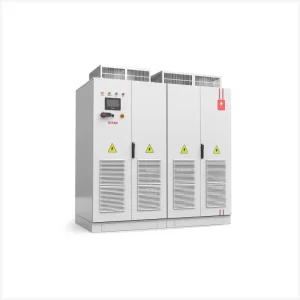
PBDS Series Bidirectional DC Power Supply for E Mobility Testing
The PBDS Series Bidirectional DC Power Supply is designed for applications that require controlled power flow in both directions.
The series is suitable for testing applications involving electric vehicle systems, motor controllers, powertrain equipment and energy related systems.
For engineers working with E Mobility Test Equipment, the PBDS Series can be considered as part of a test system that needs both controlled power delivery and energy absorption.
Product details are available on the PBDS Series.
Related products can also be found in GTAKE’s E Mobility section.
What to Look for in a Bidirectional DC Power Supply Manufacturer
Product specifications are important, but technical support also matters when building a complex test system.
A qualified Bidirectional DC Power Supply manufacturer should understand the application and the practical challenges involved in system integration.
Useful areas to evaluate include:
- Power electronics development experience
- Research and development capability
- Application engineering support
- Product testing capability
- Customization experience
- Long term technical service
EV and energy storage projects may require different voltage ranges, communication methods and test conditions. Engineering support can help reduce integration problems during system development.
You can learn more about GTAKE’s R&D capability and solutions.
Frequently Asked Questions
What is a Bidirectional DC Power Supply used for?
A Bidirectional DC Power Supply is used in applications where a test system needs to both supply and absorb electrical energy.
Common applications include battery testing, EV testing, motor testing and power converter testing.
Can a Bidirectional DC Power Supply replace an electronic load?
In some test setups, a bidirectional system can perform the energy absorption function normally handled by an electronic load.
The final configuration depends on the voltage, current and testing requirements.
Is a Bidirectional DC Power Supply suitable for EV testing?
Yes. EV components often experience changing power conditions and regenerative operation.
Bidirectional systems can support testing for motor controllers, traction inverters and powertrain systems.
What is the difference between bidirectional operation and energy recovery?
Bidirectional operation refers to supplying and absorbing electrical energy.
Energy recovery refers to how the absorbed energy is processed or returned within the system. Engineers should confirm the specific energy handling method before selecting a model.
How do I choose a Bidirectional DC Power Supply manufacturer?
Look beyond the power rating.
Evaluate the manufacturer’s engineering experience, application support, research capability and ability to support the complete test system.
Conclusion
A Bidirectional DC Power Supply is useful when a test system needs to handle energy flowing in both directions. This requirement is common in battery development, electric vehicle testing, motor testing and power electronics validation.
The right system can reduce the need for separate equipment and support more realistic test conditions. Before making a selection, engineers should review the voltage and current range, power requirements, dynamic response and the way returned energy is handled.
For projects involving EV testing or E Mobility Test Equipment, explore the PBDS Series and review the available application requirements before choosing a system configuration.