

In modern industrial and commercial ventilation systems, controlling air flow accurately is no longer just a matter of comfort—it is a key factor in energy efficiency, system stability, and operating cost. Fans are widely used in HVAC systems, industrial ventilation, dust collection, cooling, and exhaust applications. However, many fan systems still rely on traditional mechanical methods to regulate air flow, which often leads to unnecessary energy losses.
This is where a variable frequency drive (VFD) becomes a more effective and intelligent solution for fan air flow control.
Why Air Flow Control Is Critical in Fan Systems
To begin with, air flow demand in most fan applications is not constant. In HVAC systems, for example, demand changes with occupancy, outdoor temperature, and operating schedules. Similarly, in industrial processes, ventilation requirements vary by production stage.
If a fan always runs at full speed regardless of demand, the system wastes energy and experiences higher mechanical stress. Therefore, precise air flow control is essential to match output with real operating needs.
Traditional Air Flow Control Methods and Their Drawbacks
Traditionally, air flow is controlled using mechanical devices such as dampers or inlet guide vanes. While these methods are simple, they work by restricting the air path rather than reducing fan output.
As a result, several problems arise:
- The fan motor continues to operate at or near full speed
- Static pressure losses increase due to airflow restriction
- Energy consumption remains high even at reduced air flow
- Mechanical components experience higher stress over time
In short, these methods control air flow, but they do so inefficiently. This naturally leads to the question: is there a better way to control air flow without wasting energy?
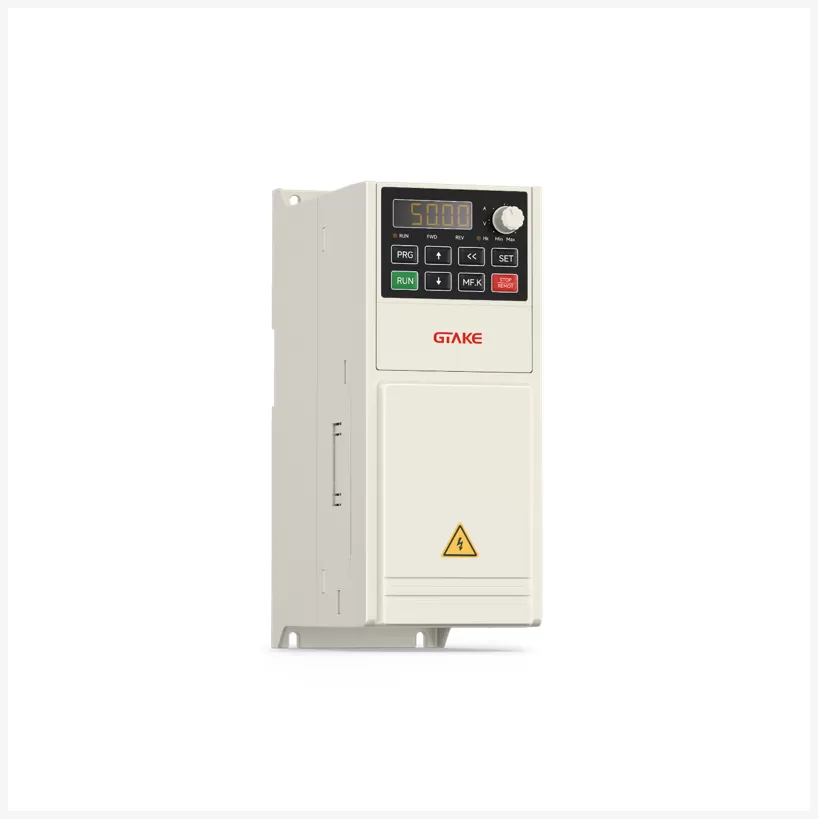
What Is a VFD and How Does It Control Fan Air Flow?
A variable frequency drive (VFD) controls the speed of an electric motor by adjusting the frequency and voltage of its power supply. Instead of restricting air after it is produced, a VFD reduces the fan speed so that only the required amount of air is generated in the first place.
This approach offers a fundamental advantage:
the air stream remains unobstructed, and no additional static pressure losses are introduced.
By controlling motor speed directly, a VFD provides smooth, precise, and efficient air flow control for both centrifugal fans and axial fans.
Maintaining Static Pressure Without Energy Loss
Static pressure plays a critical role in fan system performance. When dampers or vanes are used, static pressure increases artificially due to airflow restriction. This forces the fan to work harder, reducing overall efficiency.
In contrast, when a VFD is used:
- Fan speed is adjusted to match system demand
- Static pressure decreases in accordance with system requirements, avoiding artificial spikes
- The fan operates closer to its optimal efficiency point
As a result, the system achieves better control while consuming less energy. This makes VFD-based fan control especially valuable in systems with variable air volume requirements.
Energy Savings Explained by Fan Affinity Laws
One of the strongest technical reasons to use a VFD for fan air flow control lies in the fan affinity laws:
- Air flow is proportional to fan speed
- Static pressure is proportional to the square of fan speed
- Power consumption is proportional to the cube of fan speed
This means even a small reduction in speed can lead to significant energy savings.
For example, reducing fan speed by 20% can cut power consumption by nearly 50%. This level of savings simply cannot be achieved with mechanical flow control methods.
Because of this relationship, VFDs are widely recognized as one of the most effective energy-saving technologies for fan systems.
How VFDs Are Used in Practical Fan Air Flow Control
From an operational perspective, using a VFD for air flow control is straightforward. Since the VFD does not introduce extra resistance into the system, speed adjustments are proportional and predictable.
In many applications, fan speed can be adjusted based on:
- Required volumetric flow rate (typically measured in CFM)
- Static pressure feedback
- Temperature or process signals
Modern VFDs can also integrate with pressure sensors, flow sensors, PLCs, and building management systems. This enables automatic control, real-time optimization, and stable system performance under changing conditions.
Additional Benefits of Using VFDs on Fan Systems
Beyond energy savings, VFDs provide several additional operational advantages.
First, VFDs enable soft starting and smooth stopping. This reduces mechanical shock to the motor, fan blades, belts, and bearings. Over time, this significantly extends equipment life.
Second, reduced operating speed leads to lower noise levels. This is especially important in commercial buildings and indoor industrial environments.
Third, lower mechanical stress and improved control result in reduced maintenance requirements. Fewer breakdowns mean lower maintenance costs and less unplanned downtime.
Typical Applications for VFD-Based Fan Control
VFDs are commonly used in a wide range of fan applications, including:
- HVAC supply and return fans
- Industrial ventilation and exhaust systems
- Dust collection and filtration systems
- Cooling towers and process cooling fans
In all these applications, air flow demand changes frequently, making VFD-based control far more efficient than fixed-speed operation.
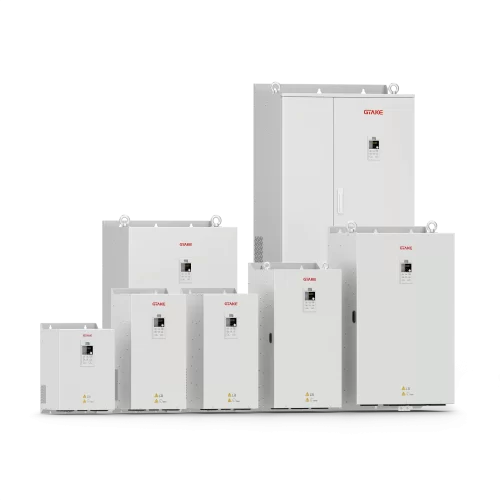
Key Considerations When Selecting a VFD for Fan Applications
To achieve the best results, selecting the right VFD is essential. Important factors include:
- Fan type and load characteristics
- Motor power rating and voltage
- Required control accuracy
- Environmental conditions such as temperature and dust
Working with an experienced VFD drive manufacturer ensures the drive is properly matched to the fan system and operating conditions.
Conclusion: Why VFDs Are the Smart Choice for Fan Air Flow Control
In summary, using a VFD for air flow control allows fan systems to operate more efficiently, reliably, and economically. By adjusting motor speed instead of restricting air flow, VFDs eliminate unnecessary energy losses, stabilize static pressure, and extend equipment life.
As energy efficiency standards continue to rise, VFD-based fan control is no longer an optional upgrade—it has become a practical and proven solution for modern ventilation systems.
As a professional VFD drive manufacturer, GTAKE provides reliable and energy-efficient variable frequency drive solutions for fan, HVAC, and industrial ventilation applications. With advanced control technology and strong application support, GTAKE helps customers optimize air flow control, reduce energy consumption, and improve overall system performance.
Contact GTAKE today to learn how the right VFD solution can enhance your fan system efficiency and long-term value.