

In many industrial systems, electric motors are the driving force behind production. However, what often goes unnoticed is that mechanical stress—rather than electrical failure—is one of the main reasons motors and connected equipment wear out prematurely. Sudden starts, abrupt stops, and constant high-speed operation place unnecessary strain on shafts, bearings, belts, and gearboxes. To address these challenges, Variable Frequency Drives (VFDs) have become a widely adopted solution. By controlling motor speed and torque more precisely, VFDs play a key role in reducing mechanical stress and extending equipment life.
Why Mechanical Stress Is a Major Issue in Motor Systems
To begin with, mechanical stress occurs whenever force is applied too quickly or unevenly to rotating equipment. In traditional motor systems, motors are started at full voltage, attempting to reach full speed almost immediately. This creates high torque peaks that are transferred directly to mechanical components. Over time, these repeated shocks lead to fatigue, misalignment, vibration, and eventual failure. As a result, mechanical stress becomes a hidden cost through downtime, maintenance, and shortened service life.
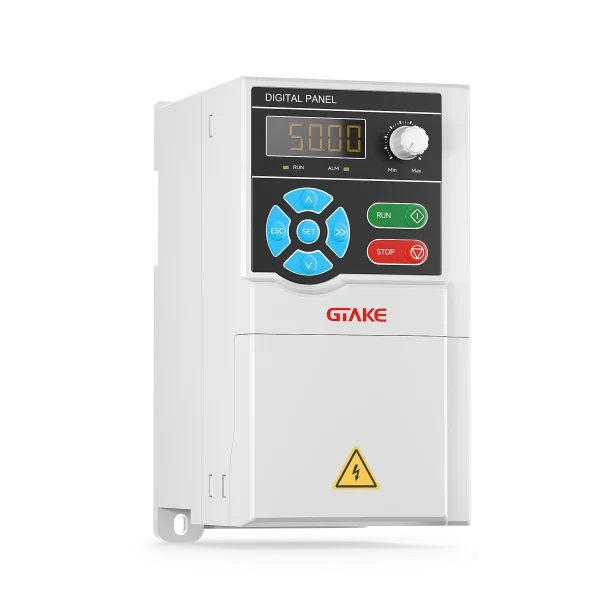
Common Causes of Mechanical Stress in Industrial Applications
Before understanding how VFDs help, it is important to look at where mechanical stress comes from. In most cases, stress is caused by sudden acceleration, rapid deceleration, and operating motors at a constant high speed regardless of actual load demand. Equipment such as pumps, fans, conveyors, and compressors are especially affected because they are directly coupled to motors. Without proper control, shock loads are transferred to bearings, couplings, and driven machinery.
Limitations of Traditional Motor Starting Methods
Traditionally, motors are started using direct-on-line (DOL) methods or basic starters. While simple and low-cost, these methods apply full voltage immediately. As a result, motors draw high inrush current and produce instant torque. From a mechanical perspective, this means belts slip, gears experience sudden force, and shafts are exposed to torsional stress. Moreover, traditional starters offer no control over speed during operation, which limits flexibility and protection.
Smooth Start-Up: Reducing Initial Mechanical Shock
One of the most important ways VFDs reduce mechanical stress is through smooth start-up. Instead of applying full voltage instantly, a VFD gradually increases both voltage and frequency. This allows the motor to accelerate smoothly from zero speed to its operating speed. As a result, torque is built up progressively rather than abruptly. This controlled start significantly reduces stress on motor bearings, shafts, and connected equipment, making it especially valuable for heavy-load and high-inertia applications.
Controlled Acceleration and Deceleration
In addition to soft starting, VFDs provide precise control over acceleration and deceleration ramps. This is particularly important in systems with frequent start-stop cycles. Abrupt stopping can be just as damaging as sudden starting, as it creates reverse torque and mechanical shock. By slowing motors down gradually, VFDs help prevent impact forces that can loosen mechanical connections or damage couplings. Consequently, equipment operates more smoothly and reliably.
Speed Matching to Actual Load Requirements
Another key advantage of VFDs is their ability to run motors only at the speed required by the process. In many applications, motors are oversized or run continuously at full speed, even when demand is low. This leads to unnecessary mechanical stress and energy waste. With a VFD, motor speed can be matched to real-time load conditions. This reduces centrifugal forces, vibration, and mechanical fatigue, especially in rotating equipment such as fans and pumps.
Torque Control and Shock Load Reduction
Beyond speed control, VFDs also offer improved torque regulation. Sudden torque spikes are one of the main contributors to mechanical damage. VFDs limit torque during start-up and operation, ensuring that force is applied smoothly and consistently. This protects belts, gears, and transmission components from overload. In applications with variable loads—such as conveyors or mixers—this controlled torque delivery is essential for long-term reliability.
Lower Heat Generation and Its Mechanical Benefits
Mechanical stress contributes to heat generation. When motors operate continuously at high speed or under excessive load, heat builds up in both electrical and mechanical components. Over time, this accelerates material fatigue and reduces insulation life. By adjusting motor speed to actual demand, VFDs reduce unnecessary heat generation. Cooler operation helps protect bearings, seals, and lubricants, further extending the life of the entire system.
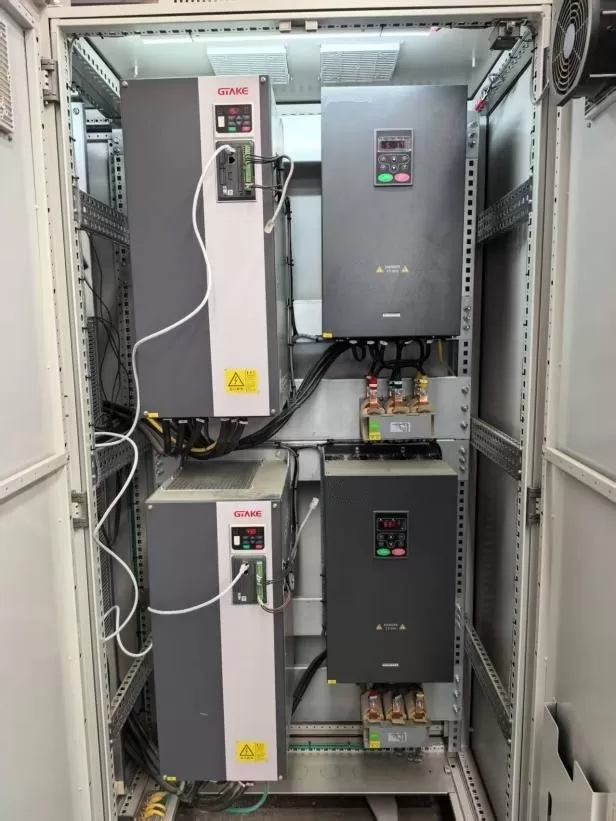
Extending Equipment Service Life
As mechanical stress, shock loads, and heat are reduced, the overall service life of equipment increases. Bearings last longer, shafts are less prone to misalignment, and vibration levels remain lower. This leads to more stable operation and fewer unexpected failures. For industrial users, longer equipment life translates directly into higher productivity and better return on investment.
Lower Maintenance Costs Over the Equipment Lifecycle
With reduced mechanical wear, maintenance requirements decrease. Fewer breakdowns mean less emergency repair, lower spare parts consumption, and shorter downtime. Although installing a VFD requires an initial investment, the long-term savings in maintenance and repairs often outweigh the upfront cost. From a lifecycle perspective, VFDs are a cost-effective solution for motor-driven systems.
Improved Safety in Industrial Environments
Finally, smoother motor operation also improves workplace safety. Sudden starts or stops can pose risks to both equipment and personnel. VFD-controlled systems behave more predictably, reducing the chance of mechanical failure that could lead to accidents. This makes VFDs especially valuable in automated and high-power applications.
Typical Applications Benefiting from VFD Stress Reduction
VFDs are widely used in pumps, fans, compressors, conveyors, mixers, and many other industrial systems. In each of these applications, reducing mechanical stress improves reliability and efficiency while lowering operating costs.
Conclusion: VFDs as a Practical Solution for Mechanical Protection
In summary, Variable Frequency Drives reduce mechanical stress by enabling smooth start-up, controlled acceleration and deceleration, accurate speed matching, and stable torque control. These features protect motors and connected equipment from shock loads, overheating, and premature wear. When properly selected and configured, VFDs become a powerful tool for improving equipment reliability, extending service life, and reducing total operating costs.
As an experienced variable frequency drive supplier, GTAKE provides reliable VFD solutions designed to protect motors, reduce mechanical stress, and support long-term stable operation across a wide range of industrial applications. Contact GTAKE to learn how the right VFD can improve both performance and equipment lifespan in your system.