Static Frequency Converter: An Overview
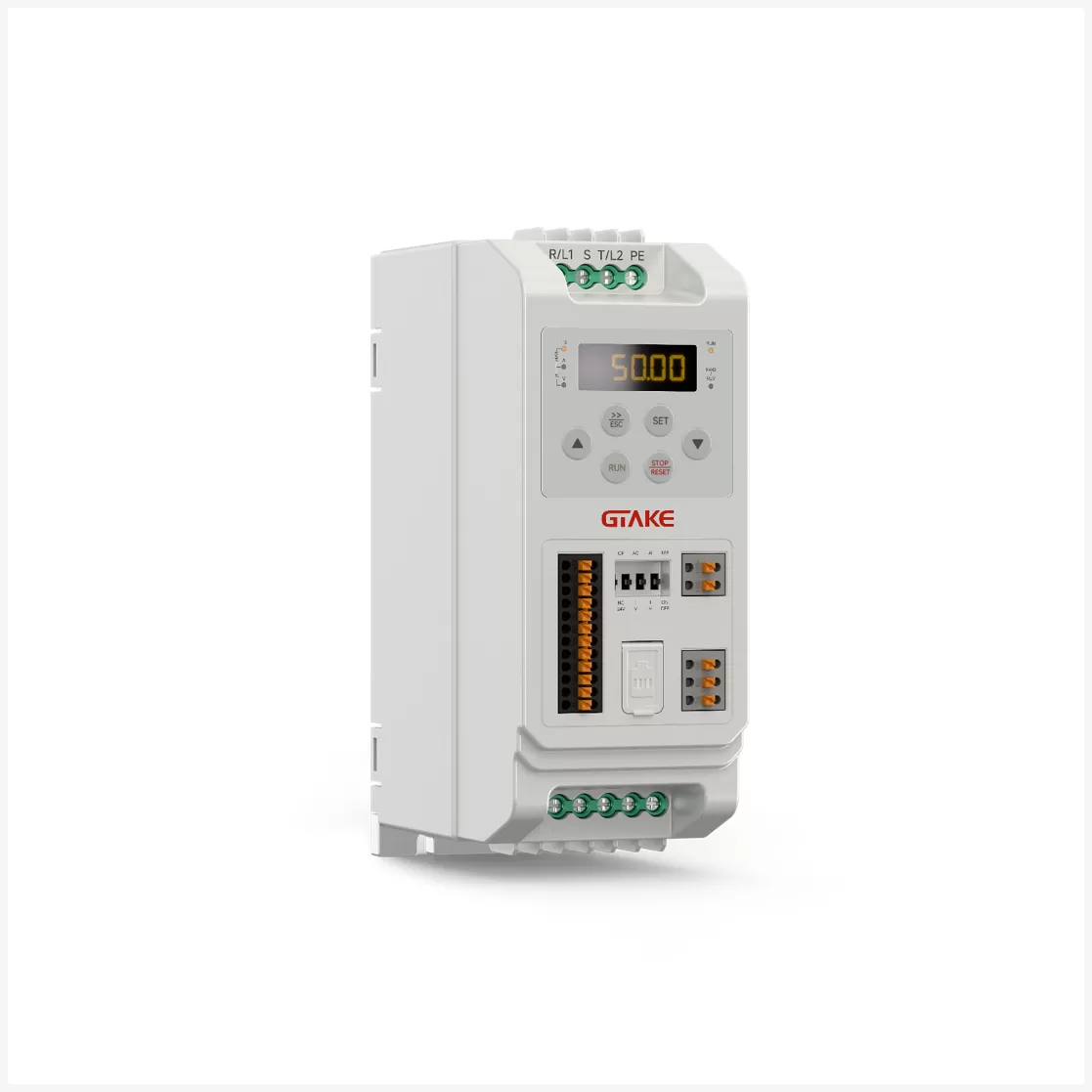
A Static Frequency Converter (SFC) is an electronic device that converts the frequency of an electrical power supply without using moving parts, such as rotating machinery or mechanical components. It is commonly used to convert AC (Alternating Current) power from one frequency to another, typically to provide a stable power source for equipment or systems that require a specific frequency for optimal operation.
In this article, we’ll explore how static frequency converters work, their applications, advantages, and why they are widely used in industrial and commercial settings.
What is a Static Frequency Converter?
A Static Frequency Converter is a device that changes the frequency of AC power while keeping the voltage and current parameters relatively stable. Unlike traditional frequency converters that rely on mechanical components like motors or generators, static frequency converters use solid-state electronics, such as power semiconductor devices (e.g., diodes, thyristors, IGBTs), to achieve the conversion.
By adjusting the frequency of the AC power, these devices make it possible to connect and operate equipment that would normally be incompatible with a power supply that has a different frequency.
How Does a Static Frequency Converter Work?
The operation of a static frequency converter can be broken down into the following basic steps:
- AC Input:
The converter receives the incoming AC power at a certain frequency, typically 50 Hz or 60 Hz, depending on the region.
- Rectification:
The AC power is first converted to DC (Direct Current) using a rectifier. This is done by using diodes or other semiconductor devices to allow current to flow in only one direction, thus transforming AC into DC.
- DC Link:
Once rectified, the DC voltage is smoothed and stored in a DC link (usually a capacitor or bank of capacitors) to ensure a steady DC supply.
- Inversion and Frequency Conversion:
The DC power is then converted back to AC at the desired frequency using an inverter. The inverter generates the new AC output by controlling the timing and switching of the semiconductor devices. The frequency of the output AC is determined by adjusting the inverter’s switching rate.
- AC Output:
Finally, the converter outputs the AC power at the required frequency, which can be used to power sensitive equipment or machinery that demands a different frequency than the one provided by the local grid.
Applications of Static Frequency Converters
Static frequency converters are used in various industries where the frequency of the power supply does not match the requirements of specific equipment. Some common applications include:
- Industrial Machinery:
Many industrial machines, such as motors, pumps, and compressors, are designed to operate at specific frequencies. For example, equipment designed for 50 Hz operation in Europe might need to be converted for use in the U.S., where the power supply is 60 Hz.
- Aerospace and Aviation:
In aircraft, frequency converters are used to provide power to avionics and onboard systems, especially when the aircraft is on the ground and connected to external power supplies that may not match the aircraft’s internal frequency standards.
- Ship Power Systems:
Ships often use static frequency converters to adjust the power supply from the port’s frequency (usually 50 Hz) to the ship’s onboard power systems (often 60 Hz). This ensures that sensitive equipment onboard, such as communication and navigation systems, can operate properly.
- Power Utilities:
In power distribution systems, static frequency converters can be used to synchronize power from different grids operating at different frequencies, ensuring that electricity can be shared between regions or countries with varying standards.
- Test and Measurement Equipment:
Certain test equipment, such as dynamometers, power analyzers, and motors, often require specific frequencies to function correctly. Static frequency converters are used in these setups to ensure that the equipment operates within its designated frequency range.
- Renewable Energy Systems:
In renewable energy applications, such as wind turbines or solar inverters, static frequency converters may be used to synchronize the generated power with the grid frequency, allowing for efficient energy injection and grid integration.
Advantages of Static Frequency Converters
- No Moving Parts:
Unlike traditional frequency converters that rely on mechanical parts like motors or gearboxes, static frequency converters are based on solid-state electronics. This results in a more reliable and low-maintenance system, as there are no moving parts subject to wear and tear.
- Compact and Lightweight:
Static frequency converters are typically more compact and lighter than their mechanical counterparts. Their small form factor makes them ideal for applications where space and weight are limited, such as in aviation or marine environments.
- Energy Efficiency:
Static frequency converters are highly efficient, converting AC to DC and back to AC with minimal losses. They typically offer better efficiency than mechanical converters, reducing energy consumption and operating costs.
- High-Precision Frequency Control:
These converters offer precise control over the output frequency, ensuring that sensitive equipment receives the exact frequency required for optimal operation. This precision is essential in many industrial and scientific applications.
- Improved Power Quality:
By using solid-state electronics, static frequency converters can produce cleaner power, reducing harmonic distortion and improving the overall quality of the power supplied to sensitive equipment.
- Flexibility:
Static frequency converters are versatile and can be used to convert between any two AC frequencies, making them suitable for a wide range of applications across different industries.
Disadvantages of Static Frequency Converters
- Cost:
While static frequency converters are efficient and reliable, they can be more expensive than traditional mechanical systems, particularly for high-power applications. This may limit their use in cost-sensitive projects.
- Complexity:
The design and operation of static frequency converters are more complex than mechanical converters. They require advanced electronics, control systems, and cooling solutions, which can increase the complexity of installation and maintenance.
- Harmonics and Noise:
While static frequency converters improve power quality, they may introduce harmonic distortion and electrical noise in some cases. Proper filtering and shielding are necessary to minimize these effects.
Static Frequency Converter vs. Rotary Frequency Converter
A Rotary Frequency Converter uses rotating machinery (motors, generators, and gear systems) to convert power between different frequencies. While it is a more traditional solution, it has several limitations compared to static converters:
- Size and Weight: Rotary converters are larger and heavier due to the mechanical components involved.
- Maintenance: Rotary converters require regular maintenance due to the wear and tear on the mechanical components.
- Efficiency: Rotary converters are typically less efficient than static frequency converters, as they involve mechanical energy losses.
In contrast, Static Frequency Converters are more compact, reliable, energy-efficient, and require minimal maintenance. For these reasons, static converters are becoming the preferred choice in many modern applications.
Conclusion
A Static Frequency Converter is a powerful and versatile device that plays an essential role in many industries by enabling the conversion of AC power between different frequencies. Whether it’s ensuring that equipment runs smoothly in varying power environments, improving energy efficiency, or providing precision control for sensitive systems, static frequency converters are integral to modern power management.
With the growing demand for flexible power solutions in global markets, static frequency converters are likely to continue gaining prominence as the preferred technology for frequency conversion. Their efficiency, reliability, and compactness make them an indispensable tool in industries ranging from aerospace to renewable energy and industrial automation.