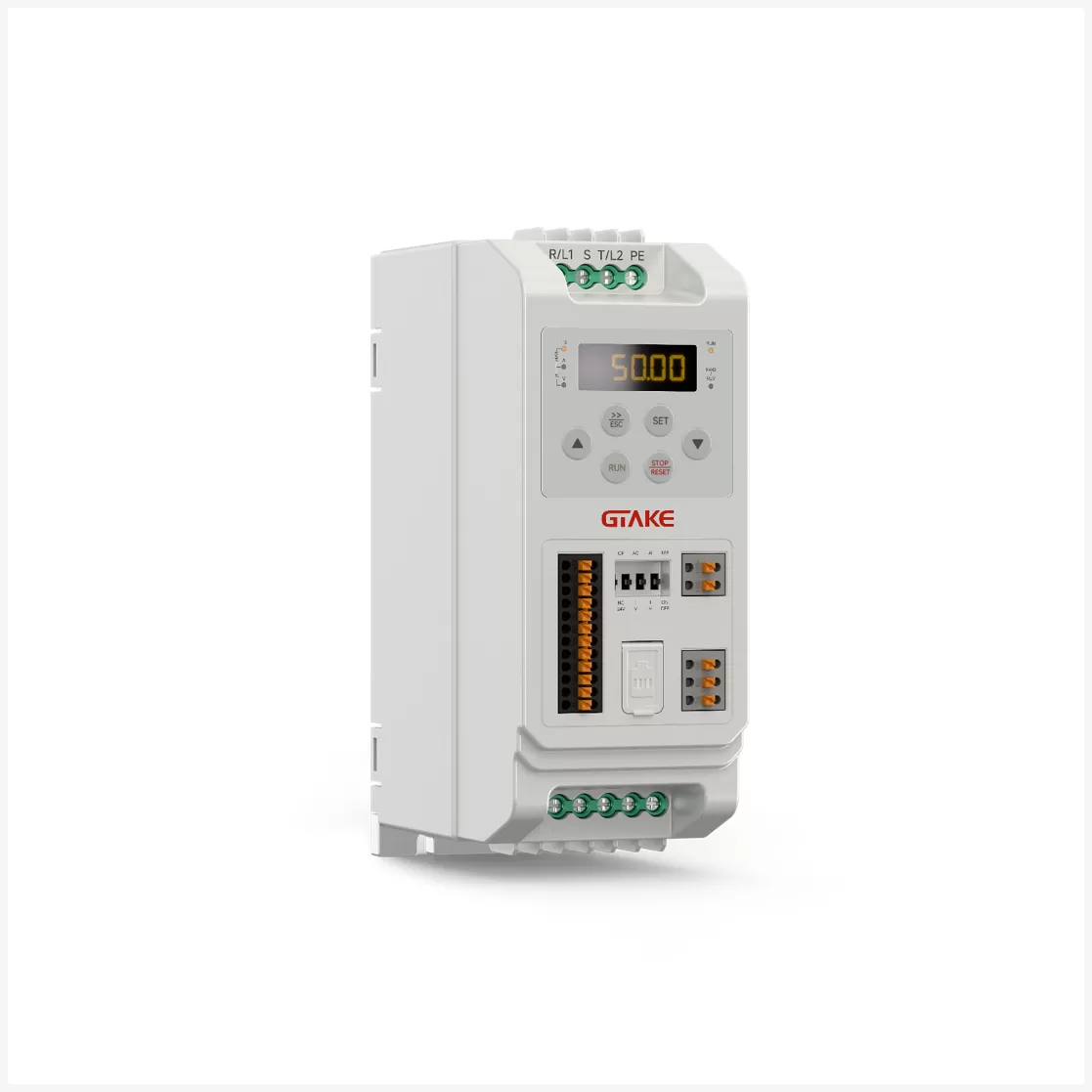
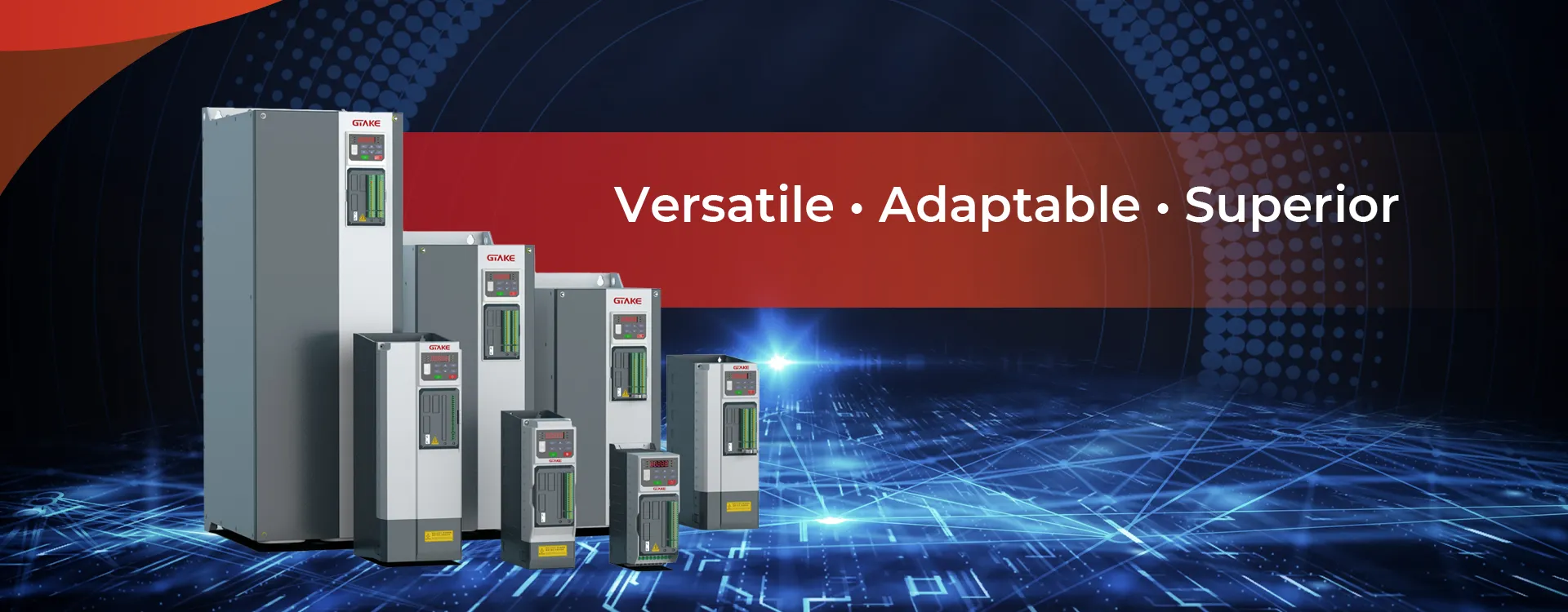
A Power Frequency Converter (PFC) is a device that converts electrical power from one frequency to another. This type of converter is typically used to change the frequency of alternating current (AC) power in order to match the requirements of specific applications or equipment that operate at different frequencies. Power frequency converters are commonly used in industrial, commercial, and even residential applications where different electrical standards are in place.
What is a Power Frequency Converter?
A Power Frequency Converter is an electronic device that takes an AC electrical input at one frequency (e.g., 50 Hz) and converts it into an AC output at a different frequency (e.g., 60 Hz). This type of converter is essential in areas where electrical equipment operates at frequencies different from the local power supply frequency.
For example:
-
Many regions in the world use a 50 Hz power supply (Europe, Asia, Africa), while others use 60 Hz (America).
-
Some industrial equipment, motors, or systems may require a specific frequency to operate efficiently.
By converting the power frequency, a PFC allows devices from different parts of the world to work seamlessly in various regions.
How Does a Power Frequency Converter Work?
A power frequency converter typically works through two main stages:
-
Rectification: The input AC power is first converted into DC (direct current) by a rectifier.
-
Inversion: The DC is then converted back into AC at the required output frequency using an inverter.
This process ensures that the output frequency is stable, regardless of the input power frequency. The PFC may also include features for controlling voltage and ensuring that power quality is maintained.
Types of Power Frequency Converters
There are several types of frequency converters, each suited for different applications:
-
Static Frequency Converter (SFC): This type of converter uses solid-state components like thyristors, diodes, and transistors to convert frequencies without the use of rotating parts.
-
Rotary Frequency Converter: These converters use a rotating machine (motor/generator) to perform frequency conversion. While less common today due to the efficiency and reliability of static converters, they are still used in some specialized applications.
Applications of Power Frequency Converters
-
Industrial Machinery: Power frequency converters are commonly used in industries where machines need to operate at different frequencies. For example, motors used in manufacturing equipment might require 60 Hz, but the local power supply is 50 Hz.
-
Renewable Energy Systems: Frequency converters can be used in systems that generate power from renewable sources (like wind or solar power), which may not always match the required frequency for grid compatibility.
-
Aerospace and Defense: In aerospace, military, and naval systems, frequency converters ensure that onboard equipment can operate efficiently, even if power is generated at a different frequency from the source.
-
Marine Industry: Ships and offshore rigs often use frequency converters to handle the different power frequency requirements between shore and onboard electrical systems.
-
Power Grids: Frequency converters are also used in power grids to stabilize the frequency of power being fed into the network, especially when it is coming from diverse sources.
Advantages of Power Frequency Converters
-
Global Compatibility: Power frequency converters allow equipment to operate in different geographical locations with varying power supply frequencies, ensuring that machines and devices are globally compatible.
-
Energy Efficiency: By enabling equipment to run at the optimal frequency, frequency converters can improve the efficiency of electrical devices, reducing energy waste and operational costs.
-
Flexibility: Frequency converters provide flexibility for international businesses, manufacturers, and industries that need to operate equipment in different regions of the world with varying electrical standards.
-
Reliability: Modern power frequency converters are built with robust features to handle fluctuating input power and provide stable, high-quality output power.
Key Features of Power Frequency Converters
-
Wide Input Voltage Range: Can handle a broad range of input voltages to accommodate power systems worldwide.
-
High Efficiency: Designed to minimize energy loss during frequency conversion, maximizing the use of power.
-
Compact Design: Many modern frequency converters are designed to be compact and easy to integrate into existing systems.
-
Regulation and Control: Advanced control systems ensure that the output frequency is precise and stable, even under varying load conditions.
-
Protection Mechanisms: Over-voltage, over-current, and over-temperature protection to safeguard both the converter and connected equipment.
Power Frequency Converters in the Market
Companies such as Gtake offer high-quality power frequency converters designed to meet various industrial and commercial needs. If you are looking for a Power Frequency Converter that is energy-efficient, reliable, and cost-effective, visit our website to find out more about our range of products and solutions that can suit your specific application.
If you’re interested in learning more about how a Power Frequency Converter can benefit your operations, please contact us directly at Gtake Contact Us.
Conclusion
Power Frequency Converters play a pivotal role in enabling global electrical compatibility and efficiency. Whether you’re dealing with machinery, renewable energy systems, or even high-end industrial applications, a PFC can help ensure smooth operation by converting electrical power to the desired frequency. With advancements in technology, modern PFCs offer high efficiency, reliability, and flexibility, making them an essential component in today’s globalized world.