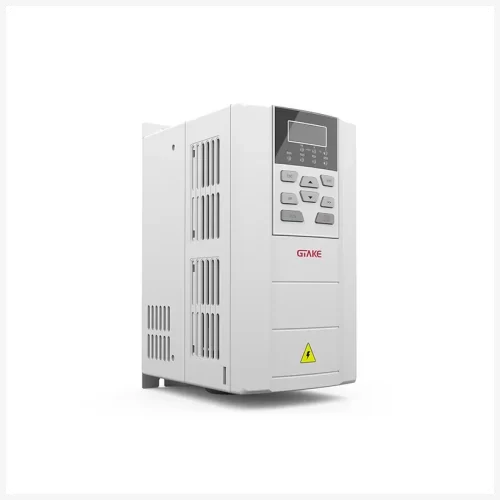
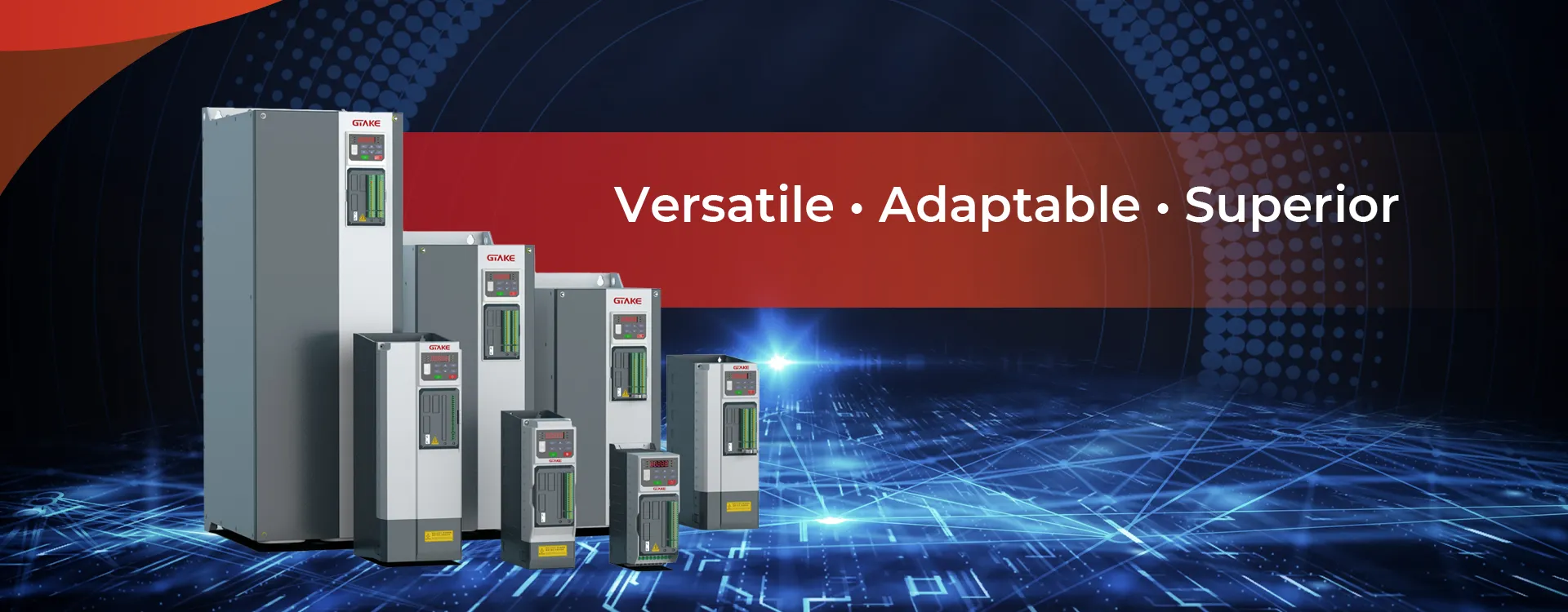
GTAKE specializes in designing and producing innovative AC drives (also known as variable frequency drives), electric vehicle motor controllers, bidirectional DC sources, and test rigs with advanced control algorithms and cutting-edge technology, delivering optimal performance and reliability for industrial automation and new energy applications.
A Power Control System (PCS) is a crucial part of modern electrical and electronic systems, responsible for regulating and managing the power flow between components to ensure optimal performance, energy efficiency, and safety. It is commonly used in various applications such as renewable energy systems, industrial automation, electric vehicles (EVs), and motor drives. Here’s a detailed explanation of Power Control Systems:
What is a Power Control System (PCS)?
A Power Control System (PCS) is a system designed to manage and control the distribution, conversion, and optimization of electrical power in various applications. It can include hardware and software components that work together to monitor and adjust the voltage, current, and frequency to match the requirements of the connected devices or equipment. A PCS plays an essential role in ensuring the efficiency, safety, and reliability of the electrical system.
Key Components of a Power Control System
Inverters: Convert DC (Direct Current) to AC (Alternating Current), essential in renewable energy systems like solar or wind power and in electric vehicles.
Converters: Convert AC to DC or vice versa, allowing for seamless integration with various energy sources and devices.
Controllers: Monitor and regulate the power flow based on real-time inputs, adjusting voltage, current, or frequency as needed.
Protection Circuits: Safeguard against over-voltage, short circuits, and other electrical faults that may damage the system or connected equipment.
Communication Interface: Allows remote monitoring and control of the system, providing real-time data on performance and health.
Applications of Power Control Systems
Renewable Energy: PCS plays a significant role in integrating renewable energy sources like solar panels and wind turbines into the grid, ensuring proper conversion, storage, and usage of power.
Electric Vehicles: In EVs, a PCS manages the energy between the battery, motor, and other components to ensure optimal performance and battery life.
Motor Drives: PCS helps in controlling the speed and torque of electric motors, commonly used in industrial automation, HVAC systems, and robotics.
Energy Storage Systems: PCS is also used to manage the charging and discharging of energy storage systems like batteries and supercapacitors.
Benefits of Power Control Systems
Efficiency: PCS optimizes power distribution, improving energy use and reducing wastage.
Reliability: By managing voltage and current fluctuations, a PCS ensures that the electrical system operates smoothly and without interruptions.
Safety: Protection circuits in PCS prevent damage from electrical faults, ensuring system longevity.
Cost-Effective: A PCS reduces energy consumption and minimizes maintenance costs by improving the overall efficiency of the system.
Types of Power Control Systems
Standalone PCS: Independent systems designed to control power in a specific device or machine.
Integrated PCS: Used in large-scale systems like grids or EVs, where the PCS coordinates multiple power inputs and outputs.
Hybrid PCS: Combines both AC and DC power sources and converters, ideal for renewable energy systems.
Conclusion
Power Control Systems are vital in various industries for managing electrical energy efficiently. Whether in electric vehicles, renewable energy systems, or industrial automation, PCS ensures that power is distributed safely, efficiently, and according to the system’s needs. As the world continues to shift towards cleaner, more sustainable energy solutions, the role of PCS will only become more critical in achieving these goals.