

In many industrial facilities, air compressors are among the largest energy-consuming machines. They supply compressed air for packaging, machining, material conveying, cleaning, and many other daily processes. Because air demand changes throughout the day, a fixed-speed compressor often wastes energy, increases mechanical wear, and struggles to maintain stable pressure. This is why many companies are now using VFD drives in compressors to optimize performance and reduce operating costs. By adjusting motor speed based on real air demand, a VFD drive helps factories achieve higher efficiency and better control.
How a VFD Drive Works in a Compressor System
To understand the benefits, it is useful to first look at how a VFD drive operates. A variable frequency drive converts normal AC power into DC power and then into AC power with adjustable frequency and voltage. By changing the frequency, the VFD directly controls the motor speed. Since the compressor’s air output is closely related to motor speed, reducing speed during low-load periods naturally reduces energy consumption.
This basic principle becomes the foundation for all the efficiency and performance advantages that follow.
Energy Savings: The Most Significant Advantage
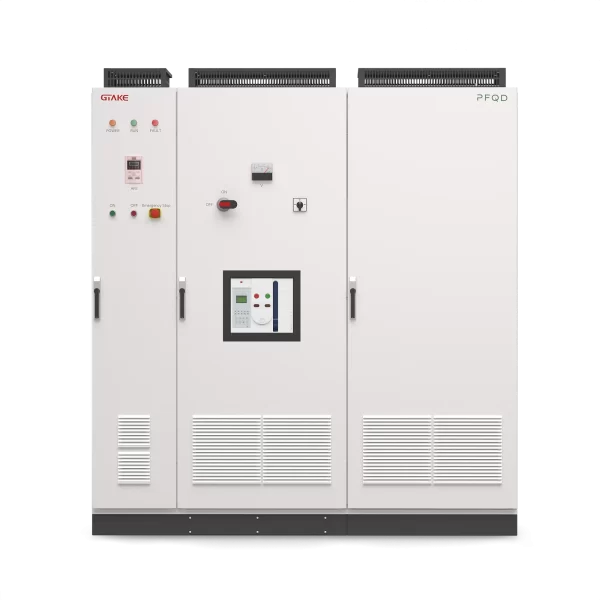
One of the main reasons companies install a VFD drive on their compressor is energy reduction. Traditional fixed-speed compressors always run at full speed, even when the plant’s air demand is low. This leads to unnecessary energy waste during unloading or light-load operation.
In contrast, a VFD compressor lowers the motor speed as the demand drops. Since power consumption decreases directly as the motor speed decreases, the system avoids the energy waste associated with idling or unloading. This results in energy savings of 20–60% depending on load variation. For factories with large fluctuations in air usage, the savings can be even greater.
Stable Air Pressure for Better Process Quality
Besides saving energy, a VFD drive also helps maintain stable outlet pressure. Fixed-speed compressors operate with a wide pressure band and fluctuate continuously between load and unload modes. These pressure swings may cause production issues in precision processes such as food packaging, CNC machining, or printing.
With a VFD, the compressor reacts quickly to load changes and keeps pressure within a narrow band. This stability improves product consistency, reduces quality defects, and minimizes downtime due to pressure alarms. As a result, factories gain more control over their production processes.
Soft Start Reduces Electrical and Mechanical Stress
Another important benefit is soft starting. Traditional compressors draw five to eight times the rated current during start-up, which places heavy stress on the electrical system and motor. Frequent starts also shorten the lifespan of components such as couplings, bearings, and gearboxes.
A VFD drive eliminates these problems by gradually accelerating the motor. The start-up current stays much lower, helping protect transformers, cables, and circuit breakers. This also reduces voltage dips that may affect other equipment in the facility. Over time, soft starting greatly reduces mechanical impact, extending the life of the compressor.
Lower Noise and Reduced Operating Temperature
As the motor speed drops during low-load conditions, the compressor operates more quietly. Lower speed means less vibration, less heat, and smoother operation overall. Lower system temperature also reduces the risk of oil degradation and high-temperature shutdowns. Together, these improvements contribute to a more comfortable working environment and better equipment reliability.
Longer Service Life and Lower Maintenance Costs
Because the compressor no longer works at full speed all the time, internal components experience less wear. Bearings, rotors, and seals last longer. The reduction in start-stop cycles also helps decrease the number of maintenance interventions. For manufacturers, this means fewer unexpected failures, lower spare-parts consumption, and longer intervals between maintenance operations.
With a well-configured VFD drive, the entire system becomes more durable and cost-efficient.
Smart Control for Modern Factory Needs
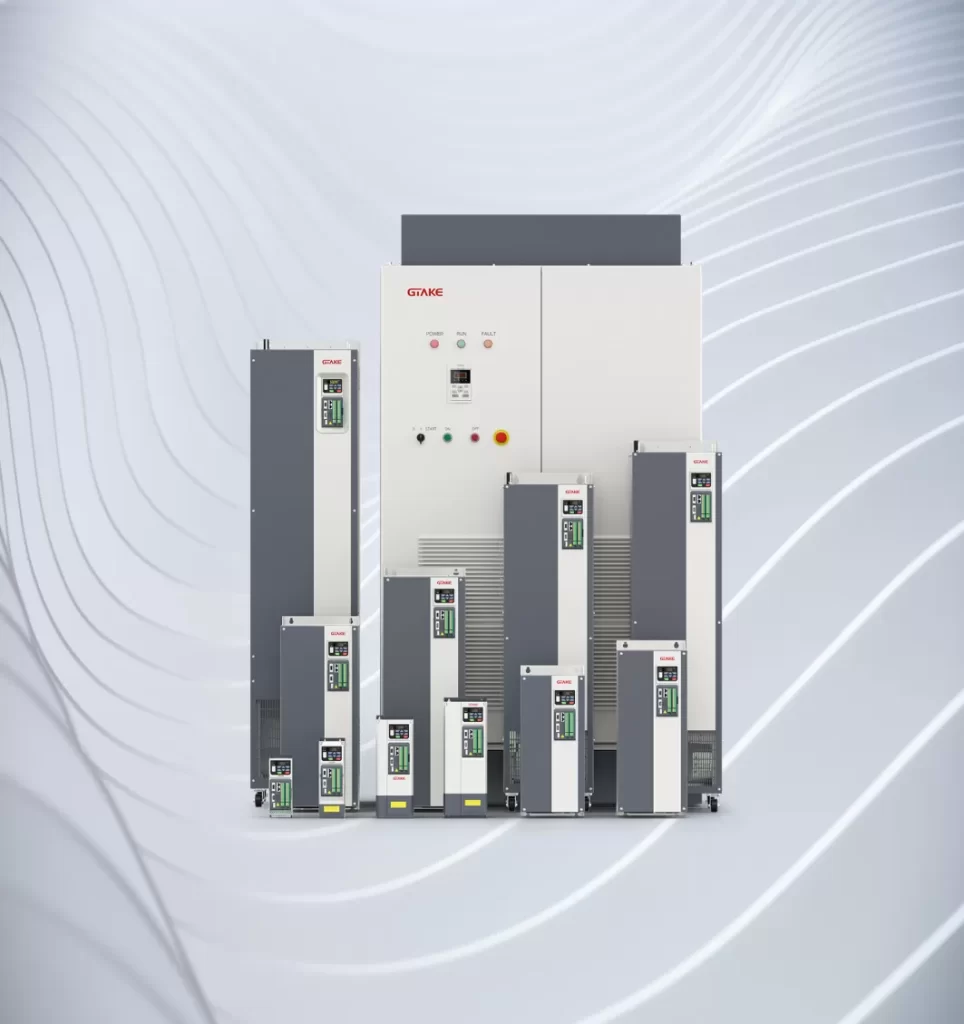
As factories move toward digitalization and automation, compressors equipped with VFD drives provide better integration with control systems. The VFD can connect to PLCs, central monitoring systems, or energy-management platforms. It allows remote adjustments, real-time pressure control, and optimized multi-compressor coordination. These functions help factories enhance productivity while reducing unnecessary energy waste.
When Is a VFD Drive Most Suitable for Compressors?
Although VFD technology brings many benefits, it is most effective under certain conditions:
- When air demand varies significantly during shifts
- When pressure stability is essential for product quality
- When frequent start-stop cycles cause electrical or mechanical stress
- When noise reduction is required
- When energy costs account for a major share of production expenses
For factories that operate under highly variable loads, adding a VFD drive is one of the most cost-effective upgrades available.
Conclusion
Installing a variable frequency drive in an air compressor delivers clear technical and economic advantages. It reduces energy consumption, stabilizes pressure, lowers mechanical wear, and supports smarter control. For manufacturers looking to reduce costs and improve long-term reliability, the VFD compressor has become a practical and proven solution.
If you are looking for a trusted VFD drive supplier, GTAKE provides advanced and reliable drive solutions for compressors and other industrial applications. With strong expertise in motor control and energy-saving technology, GTAKE helps factories achieve efficient, stable, and sustainable operation.