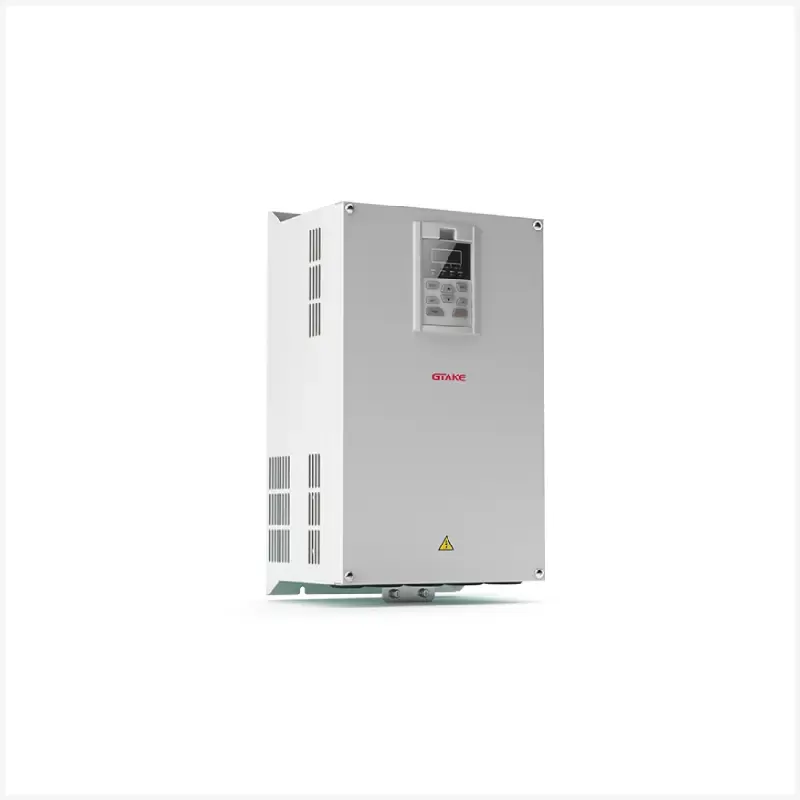
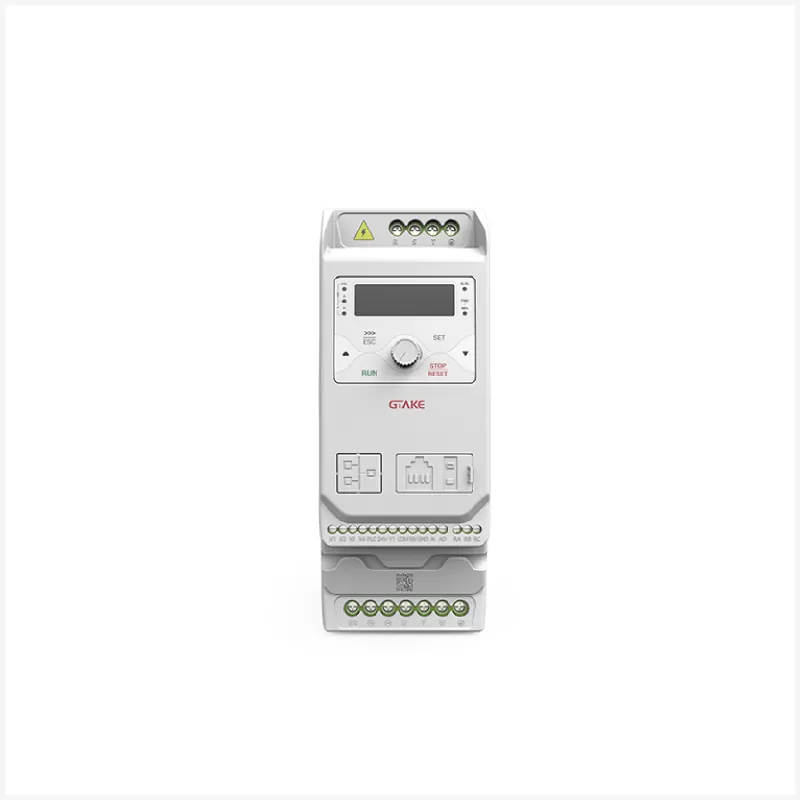
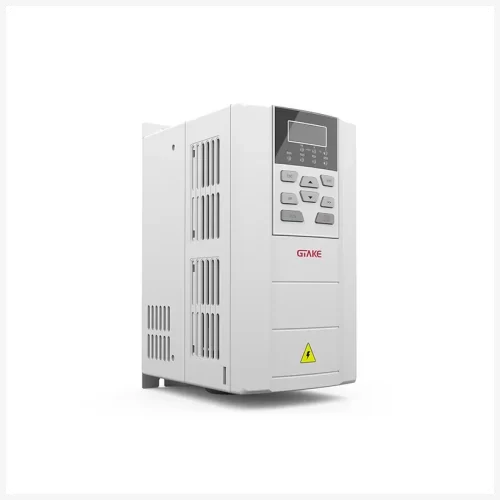
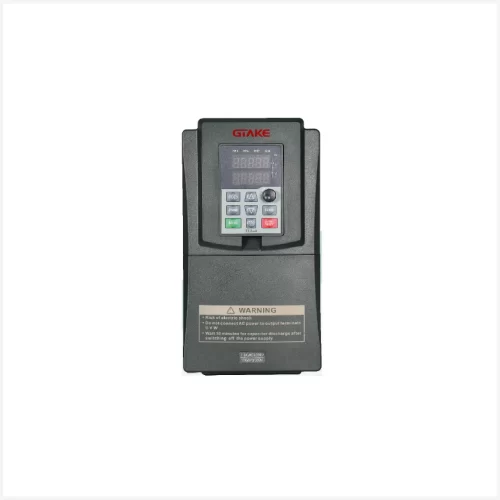
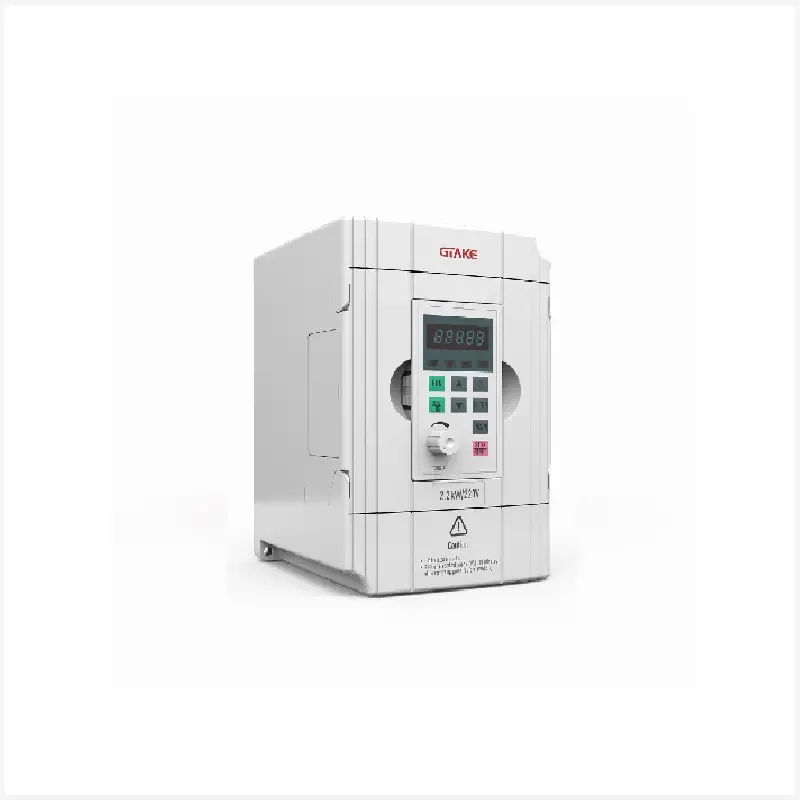
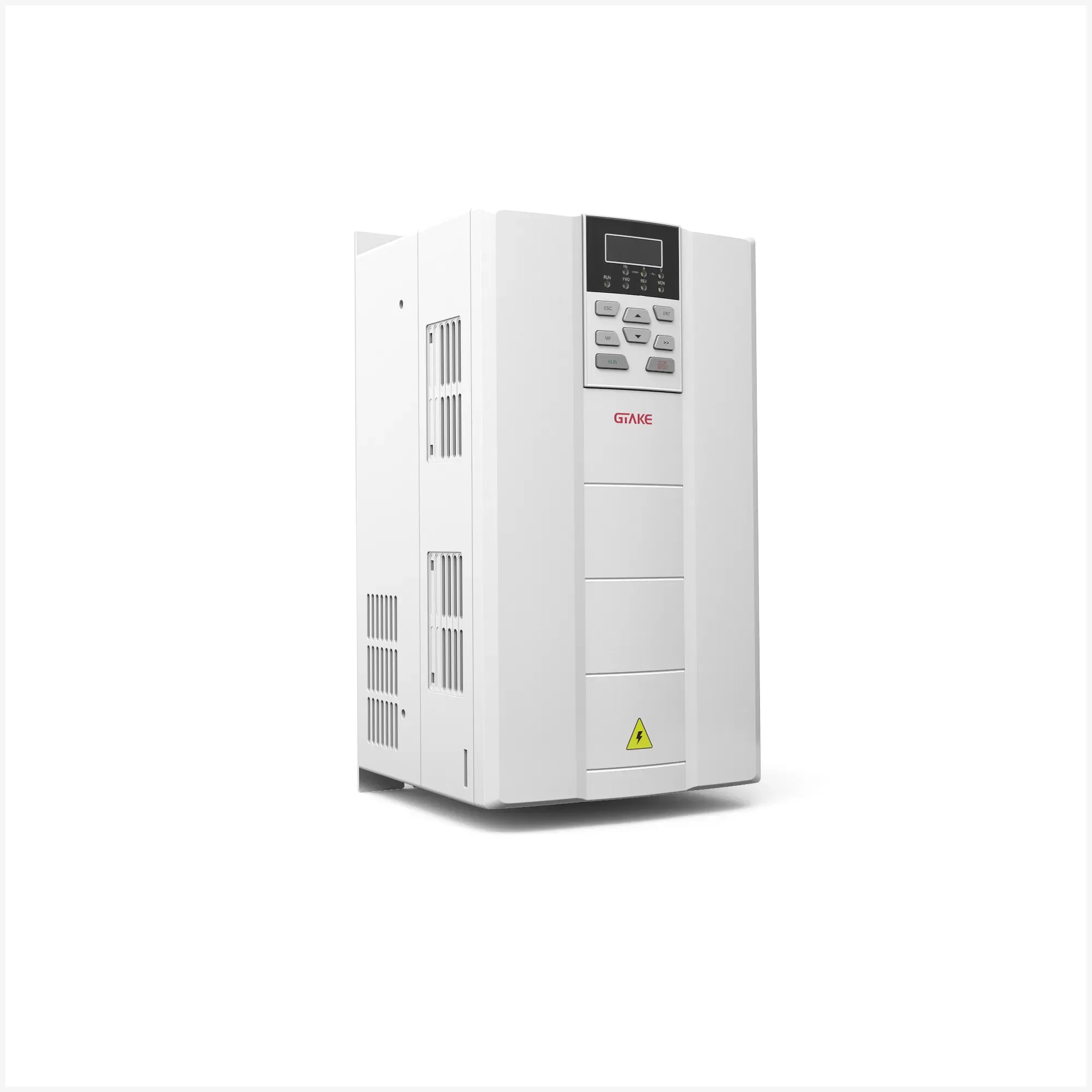
Solar Water Pump Inverter: A Key Component for Efficient Solar Pumping Systems
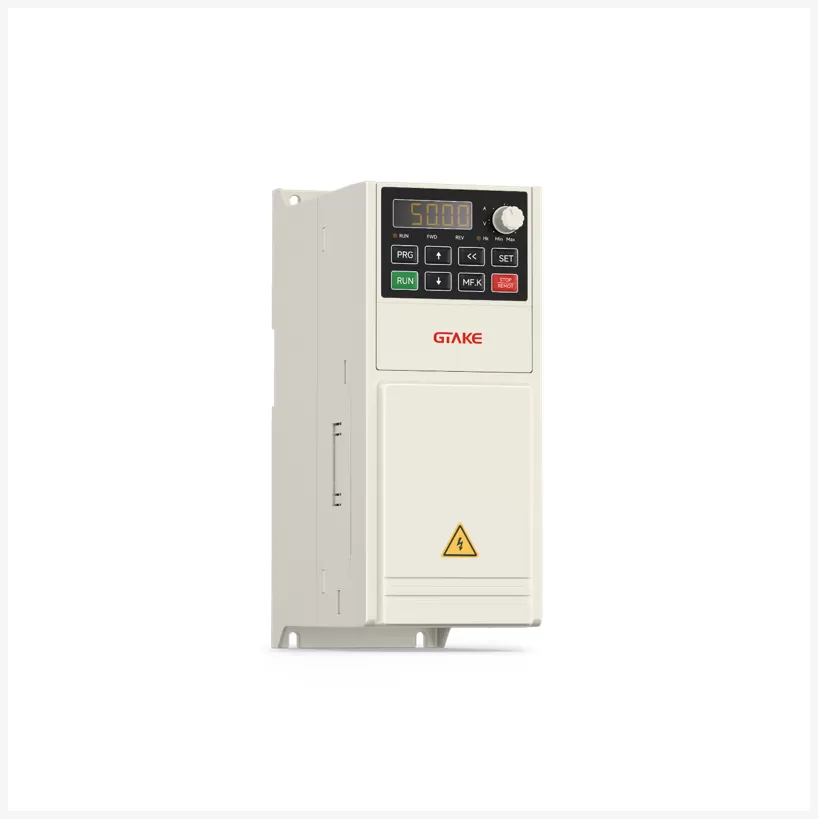
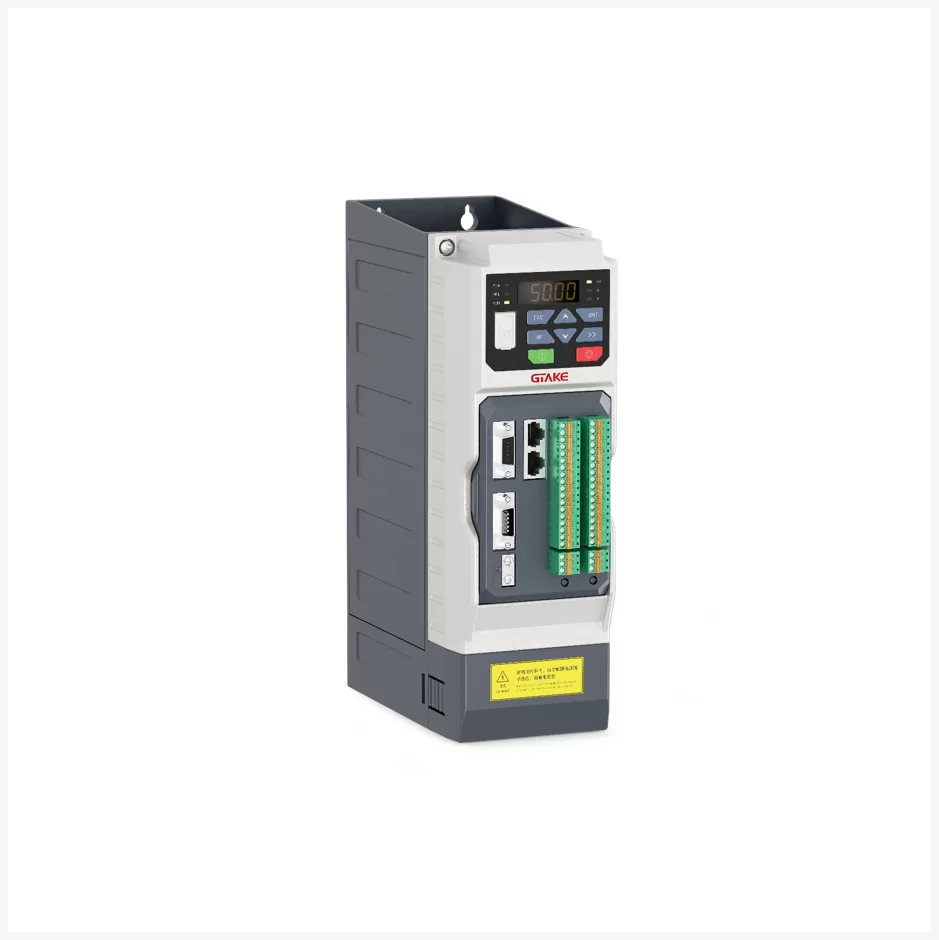
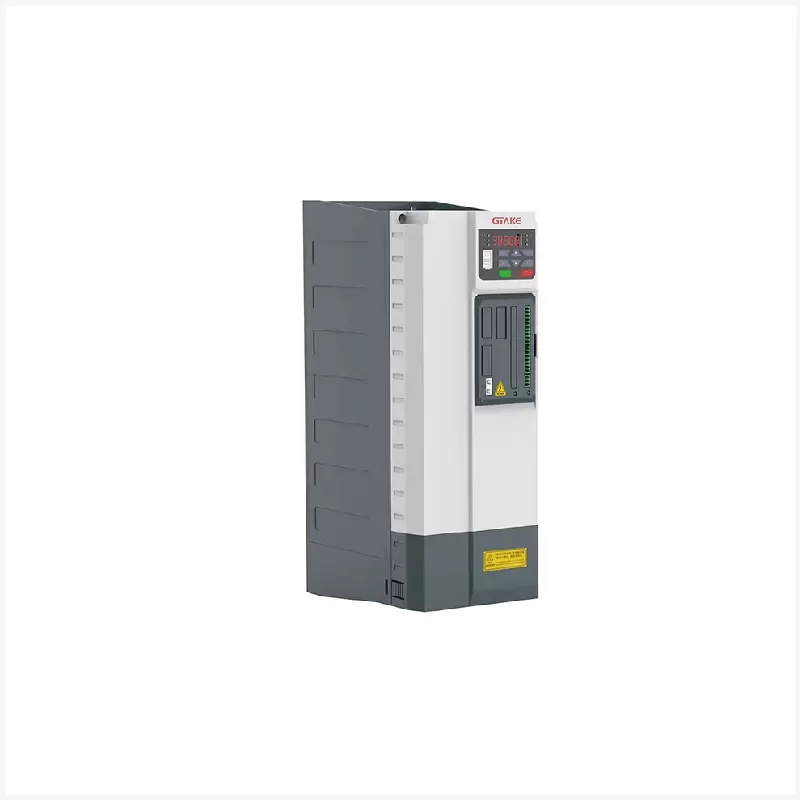
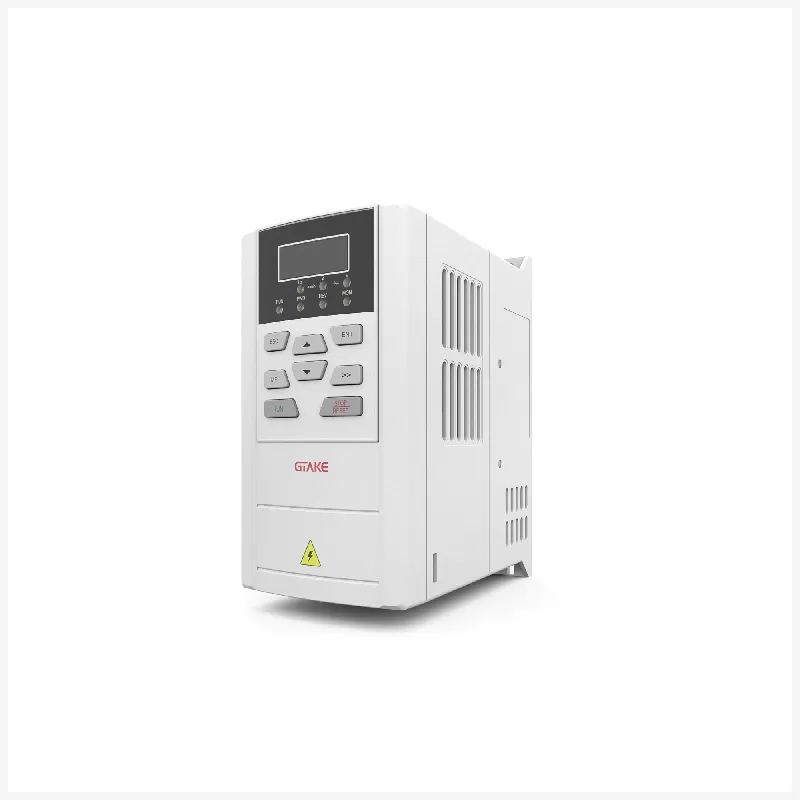
A Solar Water Pump Inverter is a vital component in solar-powered water pumping systems, designed to convert the energy produced by solar panels into a form that is usable by the pump motor. Unlike traditional water pumps that are powered by the grid, a solar water pump operates using the energy harnessed from sunlight, making it an eco-friendly and cost-effective solution for irrigation, livestock watering, and rural water supply systems. In this article, we will discuss the function of a solar water pump inverter, its advantages, and why it is an essential element of any solar pumping system.
What is a Solar Water Pump Inverter?
A Solar Water Pump Inverter is a specialized inverter that converts direct current (DC) electricity generated by solar panels into alternating current (AC) electricity to power the pump motor. Unlike conventional AC motors, many water pumps, especially those designed for solar applications, run on AC electricity. The inverter’s role is to match the power requirements of the pump to the available solar energy, ensuring that the pump operates efficiently regardless of fluctuations in sunlight.
In simpler terms, a Solar Water Pump Inverter ensures that the water pump receives the correct type of power while adapting to the varying power levels produced by the solar panels throughout the day. It serves as a bridge between the solar panel array and the pump motor, making solar water pumping systems more reliable and efficient.
How Does a Solar Water Pump Inverter Work?
- Solar Panel Input:
Solar panels capture sunlight and convert it into DC electricity. The amount of energy generated is directly proportional to the intensity of sunlight, which can fluctuate during the day based on weather conditions.
- DC to AC Conversion:
The Solar Water Pump Inverter receives the DC electricity from the solar panels and converts it into AC electricity. This step is crucial because most water pumps use AC motors that require alternating current to function.
- Matching Power to Pump Requirements:
The inverter adjusts the amount of power provided to the pump motor, matching the available solar energy with the pump’s requirements. It ensures that the pump operates at an optimal speed and efficiency, using only the available solar energy.
- Variable Speed Control:
Many solar water pumps come with variable frequency drives (VFDs) built into the inverter. These VFDs help adjust the speed of the pump motor based on the available solar power, allowing for variable speed operation. This is important because the intensity of sunlight varies throughout the day, and the inverter ensures the pump’s speed is appropriately adjusted to match these variations.
Key Features of a Solar Water Pump Inverter
- DC to AC Conversion:
A primary function of the solar water pump inverter is converting the DC power generated by the solar panels into AC power suitable for driving the pump motor. This conversion is essential for ensuring that the motor operates efficiently and reliably.
- Maximum Power Point Tracking (MPPT):
Many advanced solar water pump inverters are equipped with MPPT technology, which ensures the solar panels operate at their maximum power point. This helps to maximize the amount of energy extracted from the solar panels, especially in varying light conditions.
- Variable Speed Control:
The inverter may include a built-in variable frequency drive (VFD), which adjusts the pump’s speed according to the available solar energy. This dynamic adjustment ensures that the pump runs efficiently without wasting energy.
- Overload Protection:
Solar water pump inverters typically come with built-in protection mechanisms, including overload protection, short-circuit protection, and over-temperature protection. These features help prevent damage to both the inverter and the pump.
- Soft Start and Stop:
A soft start feature ensures that the pump motor starts gradually, reducing the mechanical strain on the pump and the motor. Similarly, a soft stop function reduces stress on the system when the pump stops, contributing to the longevity of the system.
- Built-in Display and Monitoring:
Many modern solar water pump inverters come with built-in displays or remote monitoring capabilities, allowing users to track performance and make adjustments as needed. This feature is especially useful for monitoring pump operation in remote areas.
Benefits of Using a Solar Water Pump Inverter
- Energy Efficiency:
A solar water pump inverter optimizes the energy output of the solar panels by converting DC power to AC power and adjusting the pump’s speed in real time to match available energy. This ensures the pump operates efficiently, using the exact amount of energy needed without waste.
- Cost Savings:
Solar water pump inverters eliminate the need for grid power or fossil fuel-based generators, reducing operational costs significantly. This makes them an ideal choice for rural and off-grid applications where grid electricity is either unavailable or expensive.
- Sustainability:
Solar water pump inverters help reduce carbon footprints by utilizing clean, renewable solar energy instead of fossil fuels. This contributes to a more sustainable and environmentally friendly water pumping solution.
- Reliable Operation in Remote Areas:
Solar-powered systems, including the solar water pump inverter, are perfect for remote locations without access to a stable power supply. With minimal maintenance, these systems can operate autonomously, ensuring a continuous water supply even in off-grid areas.
- Long System Lifespan:
The use of solar water pump inverters with overload and protection features ensures that the entire system runs smoothly with reduced wear and tear on the motor. This extends the life of both the pump and the inverter, reducing the need for frequent maintenance or replacements.
Applications of Solar Water Pump Inverters
- Agricultural Irrigation:
Solar water pump inverters are widely used in agricultural irrigation systems, especially in areas with limited access to grid power. The inverter ensures that water is pumped efficiently for crop irrigation, regardless of fluctuating sunlight.
- Livestock Watering:
In remote or rural locations, solar water pump inverters provide a reliable and cost-effective solution for providing water to livestock. These systems can run autonomously, ensuring a consistent water supply without the need for external power sources.
- Drinking Water Supply:
Solar-powered water pumps with inverters are also used for supplying drinking water to rural communities, particularly in areas where access to clean water and electricity is limited.
- Solar Pool Pumps:
Solar water pump inverters can be used to power pool filtration systems, reducing energy consumption and providing an eco-friendly alternative to traditional grid-powered pool pumps.
Conclusion
A Solar Water Pump Inverter is an essential component for any solar-powered water pumping system. By converting DC power from solar panels into AC power suitable for water pump motors, these inverters ensure that solar pumps operate efficiently under varying sunlight conditions. The inverter’s ability to control the pump’s speed, coupled with the energy-saving features such as MPPT, overload protection, and soft start/stop functionality, makes it an indispensable tool for sustainable, cost-effective water pumping solutions.
Whether it’s for agricultural irrigation, livestock watering, or providing drinking water in remote locations, a solar water pump inverter ensures reliable, eco-friendly, and efficient operation, all while reducing the dependence on grid electricity and fossil fuels. With the growing demand for renewable energy solutions, solar water pump inverters are increasingly becoming a key technology in the drive towards sustainable water management worldwide.